
21. The Exchange Rate Fundamentally Depends on the Balance of Payments

Electronic money maintains a strong connection with traditional money, as both are articulated in the same unit of account and are pledged on an asset. In contrast, Bitcoin relies solely on an agreement between its users, without a legal framework drawn up by any centralized body.

Furthermore, its users are the sole players in the virtual currency, creating a situation that is the opposite of traditional currencies. In this case, it is informal, challenging the formal structure of central banks. It’s noteworthy that this type of currency is not subject to any financial institution. Financial institutions are expected to act as intermediaries in information gathering, risk management, and liquidity. It is highly unlikely that this type of currency will fit into this traditional financial circuit.

This economic perspective examines a new phenomenon in the world of money, that of digital currencies such as Bitcoin. The use of these currencies, for the time being, remains very marginal and limited to basic transactions. However, some see a much greater potential and invest heavily in them. In our system, a boost in the exchange rate means that the currency appreciates. Evidently, exchange rate convenience should also be assessed in relation to inflation. If the exchange rate rises, but prices in the other country have also risen, it may be that the overseas purchasing power of our currency remains unchanged or even worse, which is the situation with the actual exchange rate.

Since the relationship of trust requires at least two individuals, and with currencies where the sender is not known, it is a safe bet that one is closer to money laundering than to procedural confidence based just on the currency itself. However, a huge gap separates them from fiat currencies because they are not supported by governments and central banks. The absence of a regulatory framework and regulatory mechanisms is very challenging, and individuals interested in purchasing these new currencies must, for that reason, remain careful and be aware of the inherent risks.

The exchange rate is determined by the acquisition of demand and supply of currency in the foreign exchange market, called Forex. The demand and offer of a currency are due to the exchange rate from a foreign currency to international trade. In this regard, there is an expectation that Bitcoin would evolve in a way that allows users to determine an exchange rate and truly be a currency, even though traditional currencies serve the three functions. In that regard, there is confidence in the unit of account, a value and savings reserve, and a protocol instrument.

While considering this, it should be noted that the price of Bitcoin is very volatile. When comparing this component with fiat currencies, it is the stability of exchange and inflation rate that generates confidence among investors. Additionally, with no intermediary financial mediations, this function is not sufficiently respected because of the lack of guarantee of deposits. This raises the question of whether it is reasonable to consider Bitcoin or any other cryptocurrency a safe haven, as there is no guarantee for its value. However, regardless of the smaller volatility of other currencies and commodities, the level of safety of transactions is higher than within traditional monetary transactions.

The exchange rate fundamentally depends on the balance of payments of a country, and primarily derives from two key factors: trade and financial investments. In the first case, it encompasses imports and exports of goods, including tourism from one country to another. Regarding the latter, it involves activities such as the purchase of foreign treasury bills, as this amount of exchange is linked principally to the level of interest rates that engage capital for good returns.

An aggregation of cryptocurrencies was established in the channel of Bitcoin, but the major principles remain the same. The creators of other cryptocurrencies tend to advocate the fact that their network is less inconvenient to support, transactions are done much faster, and the reward in terms of new currencies created is more beneficial. Some count on a faster or longer expansion of the money supply, though in that case, the difference has no effect on the purchasing power at the certain moment regarding these cryptocurrencies. Even riskier exchange rate transactions, such as currency purchase and sale transactions with the aspiration only to make a profit from the change in exchange rates over time, affect the value. Depending on the situation, monetary authorities may choose to let the exchange rate openly follow the forces of demand and supply, or they may prefer not to diverge from a certain value.

It should be noted that cryptocurrencies are one of the main restraints in the fight against piracy. To overcome the financing of pirate sites, corporations have signed agreements with electronic payment companies, such as Visa, MasterCard, American Express, PayPal, and Skrill, to ensure that illegal actions cannot be financed. This is declared through agreements between monetary authorities that advance the international monetary system.

Regarding this, the real problem is more in the misgiving of a particular currency, especially in those that lose the status of a safe haven they used to have, than in confidence in cryptocurrencies. This is evidenced by the increasing download of Bitcoin, returning the problem to national currencies and their particular monetary systems and central bank policies. Unlike Bitcoin, the derivation of national currencies is centralized, and in most countries, this role rests with a central bank.

The growth of the amount of assets is not fixed, so the choice to increase or decrease the supply of money depends on the objectives traced by the entity that issues money. In this area, traditional currencies have several advantages, since a banknote is not decomposable by itself. However, a central bank system favors inflation over the long term, continually degrading the value of the state currency.

There could be some doubts regarding the ability of central banks to make good decisions, as in most industrialized countries, central banks maintain a low and stable rate of inflation, ensuring the maintenance of the value of the currency. It must be admitted that this system works very well when one looks at the low-price increase over the past two decades.

This article is part of the academic publication Dividing by Zero by Ana Nives Radovic, Global Knowledge 2018


19. Value Justified by Usefulness and Scarcity

Central banks are able to influence the foundation of money throughout the refinancing rate, but also by calling commercial banks to place an assured number of deposits accumulated from the community on the account that banks of the central bank in forms of reserves.

For example, the European Central Bank is autonomous of the countries from which, according to the Treaties of the EU, it cannot even receive simple advice. This is what is called the independent central bank’s doctrine. Banknotes issued by the ECB and the national central banks are the only banknotes with legal fond in the European Union. Central banks worldwide use these operations to carry out mandates reflecting economic objectives for the central financial institution.

For example, the ECB has the main goal of maintaining the inflation rate close to 2% on an annual basis through the most favorable distribution of resources and growth, while the aim of the Federal Reserve in the US is to have reasonable inflation targets to support growth and employment rates. The autonomy of these financial institutions is also supposed to ensure avoiding the infidelity of political assessment to give attention to producing a conventional and coherent economic framework, according to the formula that favors rules over the discretion right to take some action. In this framework, a variety of constraints imposed by the traditional monetary foundation path may come into view as a commotion, which explains why even financial institutions are trying to test alternative models of money creation, as well as new means of payment.

A sharp growth in the price of bitcoin from the beginning of 2017 indicates that interest in bitcoin constantly increases. It is often emphasized that the uneven changes in the value of bitcoins on a daily, weekly, or monthly basis are not conditioned by guaranteeing profits to investors, as is the case with global currencies, precious metals, oil, or any other stock exchange goods whose change, except for the level of supply and demand, is dictated by economic and political developments in the countries that use them as a means of payment or trade them. The majority of those investors point out that bitcoin does not have value, stating it to deter investment in cryptocurrencies.

The incorrectness of this assertion is quite easy to prove. Although there is no equal sign between value and price, the fact that one purchases bitcoin for an amount of assets denies this claim itself. What further points to the steady value of cryptocurrencies is that even if the market turmoil and efforts of financial centers to destroy its price were so low that there would be no denomination banknotes, world currency, which could be made without a decimal number, and its value would still exist. This is confirmed by two factors, where the first one is usefulness, and the second one is scarcity. If we illustrate this using the example of clean air, we will understand that it has value because it is useful, although it is abundant, which is why it does not pay. However, if, due to any pollution, it was preserved only in separate rooms, its price would depend on the willingness to pay to join those who want to breathe through their lungs.

As the most significant digital currency, bitcoin, since its very first days, has been compared with national currencies, although it works on completely different principles. Several things that bitcoin and national currencies have in common are not a typical cross-section for only these two categories but for anything that exists on any type of market, where its value has the possibility of being changed.

This article is part of the academic publication Dividing by Zero by Ana Nives Radovic, Global Knowledge 2018

18. A Great Turnaround in the Financial World

One of the main reasons why Bitcoin was created is the dissatisfaction and distrust in the existing financial system where monetary creation is principally offered by commercial banks in their lending business. Accepting their disposal means of payment against the institution that declares these agents, credit bodies, generate new liquidity in accordance with the requirements of the financial system and market as a whole. One of the most important purposes of each central bank is to control the inflation rate, while make the circulation of money easier and helping investments to expand.

Quite the opposite, deflation is seen as a risk by economists because money creation accompanies growth. The total fixed volume of 21 million was the main reason why Bitcoin was subjected to criticism. In fact, this ceiling reflects its creators’ doubt of the quantitative easing programs that the central financial institution of the United States, the Federal Reserve, started to practice after 2008. However, this restraint also leads the Bitcoin system to have a potential deflationary outcome.

The times after the world economic crisis were characterized by a strong expansion of investment that aggregated the need for a higher level of security of transactions between agents. On the other hand, the crisis generally led to a retrenchment of credit activities because consumers cut their expenditures and real estate buying, while the business sector postponed their investments by choosing to set out of their supplies. Since banking is not automatically balanced on a day-to-day basis, a particular money market was created where banks lend to each other to resolve the problem of a lack of short-term liquidity. They can also call the central bank, which embraces the advantage of money creation and establishes the monetary base by issuing banknotes to grant liquidity to commercial banks, guaranteeing price stability and promoting the security and effectiveness of the payment system.

The possibility for these banks to be refinanced via the mechanisms that institutions of the countries where they operate have established opportunities to manipulate the activities in order to create the need for monetary creation, as commercial banks pay a price for liquidity supply. Central banks could thus buy or extract a repurchase of particular financial securities held by commercial banks against the provision of liquidity.

Bitcoin came into the primary focus of global media when the financial crisis in Cyprus occurred and caused one of the biggest concerns about the future of the European single currency. Worries about the future of the euro caused Bitcoin to triple its value in less than a month, reaching the price of $141 for the first time in the first days of April 2013. This was one of the most visible examples of how a search for an alternative is shifting the demand of investors who are willing to take new market challenges, looking for more security at the same time.

The fact that the financial world has been witnessing a great turnaround, which was at that time largely represented the exception, not the rule, has led to the occurrence of Bitcoin being backed with fierce confrontation. This type of confrontation was seen because the unpredictability of Bitcoin’s price can be reviewed as a lack of knowledge about the questionable reliability of decentralized governance. It is difficult to rely solely on efficient credit control without the support of the governmental plan and central banks’ monetary policies. Numerous studies on the supremacy of common goods, open-source assumptions, and a certain sort of what some called digital collectivism have shown that the fact that this group of enthusiasts has no centralized organizational control does not necessarily mean that the whole system is expected to be reduced to disorder.

The refinancing rates that act as the prices at which central banks allow the credit money usage represent the main structure of the money market, and when those rates are high, the demand for liquidity by the banks is low. This reflects on the interest rates of the credits that banks offer to their clients, creating a liquidity shortage since many individuals or businesses are not able to have access to this money. This causes dissatisfaction, as the trend is present everywhere, and not a single bank can offer something that differentiates completely from the rest of the financial sector. In those terms, having a decentralized system is something that causes Bitcoin’s key advantage, regardless of how exposed this cryptocurrency is to peripheral shocks because of the lack of a centralized regulation system.

Particular occurrences, such as cyber-attacks, errors in cryptograms, regulatory transformations, transaction volumes, and dysfunctions of keys, may have an impact on the value of Bitcoin. Though the margin of arbitrage gives rise to financial assumptions, which additionally makes the circumstances more complex, and therefore Bitcoin cannot serve as a means to determine value, which, on the other hand, is a crucial characteristic of traditional money.

This article is part of the academic publication Dividing by Zero by Ana Nives Radovic, Global Knowledge 2018

17. The Impact of the Virtual Money Mechanisms on Total Cash Flow

Currency wars are one of the reasons why the capital of many subjects directed towards investment in those assets in which the chances of manipulation kept to a minimum. Through a review of the relationship of trust in cryptocurrencies, as well as trust in institutions in this work is estimated what impact will the mechanisms on which is based the virtual money have on total cash flow in the future and what kind of perspective of bitcoin and other cryptocurrencies.

The electronic currency bitcoin is gaining popularity, although for a long time, most economists around the world did not give it importance until its value started its dizzying growth. There are three key reasons why bitcoin gained popularity in a short period: 1) simplicity in transferring value; 2) the ability to perform microtransactions; and 3) growing trust in decentralized systems.

Simplicity in transferring value was recognized as one of the main achievements of digital money. In the history of human relations, changes in the way of material exchange determined the transition to a new level of civilization. After the multifaceted exchange of goods for goods became more orderly with the emergence of certain units of measure of equal value, there was a need for such a system to be simplified to provide more precision and clarity among trading parties.

Also, since goods were often perishable, it was necessary to establish what could be a value guard. Due to its limitations, the price and scarcity of gold could not play this role for a long time, resulting in the emergence of money for the development of the culture of Phoenicians, where all goods could be paid. As with most types of money, bitcoin, as digital money, is also characterized by the change in its value.

The value of bitcoin changes on a daily and even hourly basis. However, the advantage of bitcoin is the possibility to have microtransactions, especially with online payment services that cost less than the smallest unit of a currency.

For example, if a site owner wants to charge for access to content, counting on the number of visits, it is much easier to calculate these values in bitcoin than in traditional money, especially for services priced at one or two cents. The difference between one and two cents is still double in traditional currencies. With bitcoin, the price may be expressed in as many decimals as necessary to meet the most precise measurements. While these differences may be negligible at the individual level, when multiplied by thousands or millions on a daily or annual basis, the variations in earnings are enormous. Additionally, there are no transaction costs, such as those in electronic banking, to enable intermediary earnings from commissions.

This article is part of the academic publication Dividing by Zero by Ana Nives Radovic, Global Knowledge 2018

16. The Need for Encryption Created a New Way of Living

The name of the most common cryptocurrency, Bitcoin, also refers to the protocol describing this virtual money and its implementation in the payment system. This cryptocurrency is decentralized and anyone who wishes can join the network by installing the software.

The generally accepted theory regarding the origin and formation of Bitcoin is that it was created in 2009 by one or more crypto programmers using the pseudonym Satoshi Nakamoto, although the preconditions for the development of this technology were created decades ago. The history of work on technology that created the base for cryptocurrency development has a four-decade-long history since the first RSA encryption that used a public key to encrypt confidential data and a private key to decrypt them was used in 1977.

The following years were characterized by the development of the mechanism of compression that was used to securely and efficiently store and verify a large volume of data that is today used by the Bitcoin protocol. At this phase of the late 1970s, the system for calculating all transactions contained in a data block was established. Later in the 1990s, the programming industry witnessed a wide range of research related to cryptographic protocols that represented the foundation for the development of electronic currencies that were centralized and proprietary.

An article written by mathematicians and digital money enthusiasts Stuart Haber and W. Scott Stornetta, entitled “How to Time-stamp a Digital Document,” announced the key principles of what would later be a platform on which Bitcoin works. This article was later quoted by the author signed as Satoshi Nakamoto in his white paper where the principles of blockchain were explained.

A very significant turning point in the development of the transaction protocol occurred in 1994 when a computer engineer and a researcher in cryptography, Nick Szabo, advanced the idea of a “smart contract,” which represented the computer transaction protocol that executes the terms of a contract. During the following decade, Szabo was working on the uprising of the project called BitGold, conceived as a decentralized digital currency based on chains of proofs of application and using countless elements that later were shown as the groundwork of Bitcoin, such as timestamping, digital signatures, and public keys. At the first stage of the development, it proved to be vulnerable to attacks, while later there were many efforts made to overcome this problem.

Later in 1997, the invention of Hashcash by Adam Back represented the proof that this system could work, justifying further research and development in this area. In fact, this idea had already been explored by Cynthia Dwork and Moni Naor in a report entitled “Pricing via Processing or Combating Junk Mail” published in 1993, but Adam Back had no information about their achievements in this area. At that time, Szabo described the possibilities offered by the advance of new technologies in an article entitled “Formalizing and Securing Relationships on Public Networks.” Consequently, many contracts can be implemented without difficulty if the possessions that represent the subject to the contract include a computer code guaranteeing the implementation of the contract provisions.

The next big step was the first peer-to-peer distribution via a transfer platform called Gnutella, developed in 2000 by Tom Pepper and Justin Frankel. From the economic approach, it is a classified currency that is not issued by any banking institution nor linked to a currency settlement. Also, it is not commodity money, nor a fiat currency, given that it has no required price.

However, the development of technology enabled Bitcoin to have particular elements of trading instruments, even though it does not share key characteristics with them. In that sense, there are similarities with fiat currencies although cryptocurrencies are not backed by a material asset, since it has value only because economic actors agree to use it and since the internet makes trade between them achievable. It is more leaning on the monetary exchange function than to that of a store of value, even if its deflationary character can hypothetically lead to it.

The first public announcement of Bitcoin occurred in 2008, opening the space for the first blockchain to be at the beginning of 2009. At that time, a reward for finding a block was 50 bitcoin and is divided by two every 210,000 blocks, which is scheduled to happen every four years. Since December 2012, the return is 25 bitcoin, and according to that division process, the year 2140 will be the one when no return will be provided, while the number of bitcoin will have reached a maximum of 21 million.

The rationalization of the nature of Bitcoin transactions can begin from the straightforward paradigm of the contract of sale. The smart contract would guarantee that when the seller broadcasts their possessions, the other party, in fact, receives the corresponding amount in exchange, and, on the other hand, the buyer who pays the price is guaranteed to receive the goods. In the earliest stage, Bitcoin was created by a closed community of enthusiasts that used it for internal practice. It is likely to state that they were then used for all intents and purposes as elements of an allegation of an identity based on a vision that was contrary to accepted belief of the world in reaction against the establishment.

To illustrate the value of the smart contract mechanism, Szabo used a simple example, a car rental contract. Under this contract, one pays customary sums to use the car owned by a certain rent-a-car company. In this case, the smart contract will routinely test out at each due date whether the amount owed is well paid by the renter of the car.

Provided that the imbursement is made, the renter will be the only individual allowed to use the car thanks to the process of authentication. In the event of non-payment, the car is automatically blocked and cannot be used by the tenant, and the renter regains control. The first order, first to generate bitcoins, then as anticipated, but only at one remove, to seize them, was consequently linked to what they served to demonstrate or transmit a certain way of existence and an assured way of seeing the situation.

Fundamentally, Bitcoin was not very diverse from what one finds in the world of fine arts since, for their enthusiasts, it represented a way of living and demonstrating its distinction

This article is part of the academic publication Dividing by Zero by Ana Nives Radovic, Global Knowledge 2018

15. Overseeing the Ultimate Impact on the Principles of Real Growth

There is a belief that negative interest rates only concern banks, which perceive their deposits with the ECB not rewarded but commissioned up to an annual interest rate that is still under zero percent. In reality, there is not a single entity that could borrow from their bank at rates below zero.

Repaying less than the totality of the borrowed capital is not allowed at any point in the financial system. When one borrows 100, one has to pay 100, plus interest, which is the reason why even loans with a reference rate beneath zero do not see their charges decrease.

However, there is another perception of this issue where, instead of seeing interest rates decrease as an instrument that a growing number of central banks use to recover temporary global demand, they consider zero rates, and especially the postponement of the negative interest rate area, not only as the symptom but also the symbol of growth at the level of the world economy with enormous financial and monetary disproportions of unparalleled strength. These imbalances are basically a direct consequence of the regulatory strategy choices made after the economic crisis by the major central banks, initiated by the Fed.

This perception of zero rates comprises the belief that they are not a tool that would appear in the files of the central bankers, but an apprehension sign that indicates that the circumstances, both in developed and in emerging countries, are now reaching an alarming edge that is even more sincere than right before the last financial crash. This viewpoint is followed by an unbending disapproval, even though it was articulated in very cautious standings of the outlines of studies, as well as in contemporary responses of central banks to current issues. The key problem is not whether these reproductions are theoretically acceptable or not but that they have fundamentally been calculated before the actual expansion of globalization. Therefore, their position of accounting remains principally that of state economies, while the actual financial and monetary subjects, even of relatively not large size, are nowadays occupied in a day-to-day situation of interventions without limitations.

Fundamentally, they are not considered to entirely assimilate and account for how international refinancing streams are now taking a key position in the broadcast of financial compulsions, particularly those produced by the decisions of the most important central banks in the world, as is the case with the spread of the bubble economy to emerging countries through the quantitative easing strategy and the extremely threatening counterattack that generates its closure. In fact, they represent primarily temporary reproductions that disregard the central position of what was perceived as standard. More precisely, they lead to not seeing their ultimate impact on the principles of real growth. In that case, a continued practice of the zero-rate policy leads to a progression of misrepresenting inducements that reduce productivity increase.

From this standpoint, each rise in the US inflation rate over the past several years is only a minor feature in comparison to the real intimidation that includes the detonation of global debt, the simplification of policies, the extension of the increase leverage rates, as well as the strengthening of the currency war powered by the development of quantitative easing procedures. There is a common explanation of this situation that refers to the typical connection giving which rates drop or rise in action, bearing in mind an increase in inflation that gives rise to an opposite system with the persistence to accept as true that it is the decrease in the particular rate that will allow inflation to rise. Actually, this leads to the lowest level of the inflation rate with conjunction in the direction of a deflationary negative balance that the central bank wants to evade anyway.

This type of explanation would be connected to the intensification of the scarcity of securities, which appears as an automatic consequence of the crisis, but also because of the quantitative easing policy. It would have the consequence that the actual interest rate of money with fixed yields, which means the one subtracted from the nominal rate of the bond after withdrawing the inflation rate, now includes liquidity, whose outcome, for a given nominal rate goal, is to diverge the interest rate while at the same time the inflation rate moves in the opposite way from this premium change of the value.

This article is part of the academic publication Dividing by Zero by Ana Nives Radovic, Global Knowledge 2018

14. ECB’s Policy, Like the Code of Hammurabi, Does Not Abolish, But Just Regulates Slavery

The words of the president of the European Central Bank Mario Draghi that have shown his call for insurance on future liquidity made an impact on the price of gold and silver. However, they have also raised many questions regarding the repeating of economic cycles and situations brought through them.

The words of the President of the European Central Bank, Mario Draghi, have shown his call for insurance on future liquidity, making an impact on the prices of gold and silver. However, they have also raised many questions regarding the repetition of economic cycles and the situations brought about by them.

We live in times when entrepreneurs are seeking to finance reasonable projects, while companies with products, customers, and profits are looking for savings to grow. There is still an ongoing process of finding a way to finance these projects of the real economy, garnering capital gains, and collecting interests. It is shown as extremely hard during this type of political control of the central banks that will not change a flawed monetary and financial system due to the lack of discipline. Under pressure from more than 200,000 billion dollars of debt, the announcement of the ECB that it will strengthen control of interest rates could happen very soon.

What the history of finance has shown is that the control of the price of credit by the state, like any control of this kind, will end in disaster. The state does not have to control the currency, the price of credit, or the economy, since the role of the government should be limited to ensuring equal rights between citizens and ensuring that they are respected.

While trying to emerge from unusual monetary policies, numerous examples of panic-driven measures can be seen. The current policies of the ECB do not differ much from what was prescribed in the Code of Hammurabi, turning the king into a god and leaving numerous people in the class of slaves. The difference, however, is that while adjusting the amount of money in current flows, it seems like the ECB does not know what to do with its “Print,” “Rate,” and “Delete” buttons. There is a strong need to make a movement in order to prepare for the end of monetary creation in the euro, but the mechanisms to do so are not in sight.

This reveals another situation of repetition of numerous times viewed situations that led to the same myths. One of them is that public money creates more wealth than private money, which is called the Keynesian multiplier. In this situation, if the government invests one euro, its return on investment will be higher than that of private persons. According to this belief, at the same time, the government is not obliged to forcefully stab taxpayers. It can simply borrow because its return on investment will always be positive. While a wretched single entrepreneur, pursuing his guilty selfish interests, may be mistaken, since the business may go bankrupt when its return on investment appears to be negative. Keynesians define the multiplier coefficient as the ratio between a change in public expenditure and the consequent change in total income. This explanation justifies the stimulus policies financed by the loan.

The ECB still injects 60 billion euros each month into the markets in order to keep interest rates low, and this trend is lasting, considering the unfortunate state of public finances of the eurozone countries. The Keynesian multiplier also relies on the strange belief that consumption enriches and the thought that when people do not consume enough, what the government should do is just to distribute them money, created from nothing, taken from others, borrowed, whatever, which will combat economic depression and unemployment. This, however, ruins all hopes of achieving a decent return in the years to come.

Technically, the ECB is more autonomous in relations with the governments, though in practice, this independence is completely apocryphal. The decisions of the ECB are essentially made in the interests of several eurozone governments. By artificially lowering interest rates, the ECB could facilitate public debt, and by financing commercial banks lending to the eurozone countries, they guarantee to the latter an almost unlimited source of income, despite their already enormous debt. For Keynesians, this situation might seem satisfactory, but its outcome is the credit market that becomes completely distorted. Resources are allocated unproductively, contributing to slowing economic growth and thus reducing poverty.

The fact is that the large capital gains are no longer on the stock market, where central banks inject thousands of billions to inflate prices, but before the IPO and even in private equity transactions. Since 2012, the money of the insiders drained by venture capital is increasing considerably. The average real return on life insurance was 1.8% in 2016. In today’s markets, listed companies are now too big and too disconnected for their shareholders to be really involved in decision-making. Also, the banking crisis is still threatening, and the European system is far from being consolidated. This all leads to a conclusion that the current monetary system, based on unrestricted credit, is a new form of crime against humanity.

There is a strong need to adopt a different approach as the mass of credit is used to protect from bankruptcy the weak links used by the parasitocracy. In these situations, banks with doubtful debts, multinationals cooperating in ruinous public projects, and expensive social spendings in southern eurozone countries.

If we return to the comparison of the current situation with the ancient one, we will see that it was not the king or the emperor who decided that gold or silver was the best suited to trade and exchange, but it was a crowd of individuals, now fallen into dust, who have come to this conclusion. In their situation, gold was imposed in a pragmatic and democratic way simply because it worked best, while the so-called added value of a centralized system imposed by a ruler was limited to a seal certifying purity and weight. There should be noted that elites hate gold but have not dared to make the last move since central banks still have a gold reserve. Today central banks still have their treasuries, or at least, that is what is being said, while the people bother to rate precious metals. In the current situation, the dollar and the euro have fallen against gold (and silver), while the dollar dropped more than the euro. As is the case anywhere else, there is value and price. Value is what each one attributes at a given moment to something, that is, the satisfaction that everyone anticipates of possessing something one desires the most — the price is what an individual agrees to pay according to his own value scale.

Three key problems have become more visible under these circumstances. The first one is that zero interest rates and generous liquidity kept the dying business alive, inflating supply. In all sectors, there is an oversupply of everything, where marginal companies have been able to continue to function even though they are fading, generating just enough income to borrow more money and to postpone the repayment of their debts. The second problem is that the income was carried by steady growth in social security contributions instead of salaries. The third problem is that the majority of employers are unable to afford to pay higher wages without considering the labor market as they are faced with ever higher costs, while their power over prices is zero because of the surplus supply. Confronted with a total lack of power over prices and higher costs, employers can either increase the working hours of their current employees or hire part-time workers without contractual benefits.

These three problems represent the most visible effects of monetary measures implemented by the ECB. By market capitalization with the money achieved by borrowing, instead of balancing the market, the ECB creates an even greater problem of social stratification, making part of the companies and therefore a huge part of the population literally slaves. As it was prescribed by the Code of Hammurabi, anyone who attempts to counter financial movements to these flows in order to facilitate the position of slaves receives a fatal outcome.

This article is part of the academic publication Dividing by Zero by Ana Nives Radovic, Global Knowledge 2018

6. Zero Rates – a Symbol of Inefficiency and Nonsense

The decision of the European Central Bank to keep interest rates during 2017 in Eurozone under their historical minimum, with the key reference rate at zero, as well as to leave their substantial public and private debts accumulated since 2015 operational was followed by this institution’s decision to leave the marginal lending rate at 0.25 percent, allowing banks to borrow for 24 hours.

The assertion has been made that, with prevailing zero interest rates, banks gain the capability to self-fund at no cost from the European Central Bank (ECB). Consequently, banks are expected to reduce the rates they impose on customers who are indebted to them. The ECB’s historically low rates exert an automatic impact on short-term savings. As banks cannot afford to disburse substantial amounts in cash, they are constrained in lending at favorable rates without compromising their profit margins.

The ECB recently unveiled a series of monetary policy measures, including a reduction in its central rate to zero for the first time in its history and the introduction of an extended long-term loan facility for banks. The initial phase of this plan has unfolded mostly as intended. However, since the implementation of the ECB’s financial strategy, citizens across the Eurozone have observed a decline in average salaries.

In essence, when the ECB lowers its interest rate, it aims to stimulate credit activities and consequently boost investment. Conversely, an increase in the interest rate signifies a tangible risk of inflation, where an excess of cash circulates while prices surge rapidly, necessitating proactive management of the situation. In the current scenario, a political risk emerges as a primary challenge for the year. The ECB authorities are acutely aware of this and are prepared to take necessary measures to prevent market upheaval, even if their actions may exacerbate the situation.

While there are no imminent announcements of new decisions regarding interest rates, the initiation of monetary contraction seems untimely, especially considering upcoming key elections in various countries and a backdrop of escalating populist movements. The ECB is understandably reluctant to face additional uncertainties.

Given the ECB’s investment in short-term products, it is the capital that is predominantly affected by the zero rates, particularly commercial paper issued by corporations. Prolonged stagnation refers to a situation of feeble growth characterized by persistently low, or even zero, interest rates. Currently, there is a recovery of growth and inflation in progress. The demand deficit is not insurmountable, and as additional savings are anticipated to be reinvested, efficiency is expected to rise.

To address these economic dynamics, the ECB has opted to initiate an extensive asset purchase program, surpassing previous initiatives. The Quantitative Easing program, initiated in March 2015, involved monthly purchases of private and public bond securities on the secondary market totaling 60 billion euros. This decision was prompted by the collapse of inflation and the looming risks of deflation in the Eurozone. Furthermore, zero and especially negative interest rates are symbolic of absurdity, as zero in a range of values conveys the message that no other points exist.

Overnight deposit rates, which entered negative territory for the first time in June 2014, were maintained at -0.4% and strengthened last month, transitioning from -0.3% to -0.4%. A negative rate is intended to encourage banks not to leave excess money with the central bank but to lend it to their clients. This implies that banks have to pay a fee to the ECB for surplus cash held for 24 hours. There are significant differences in assets between rates ranging from one to five percent compared to those ranging from zero to one percent. The zero point is primarily due to the impossibility of dividing any number by zero.

In practical terms, a rate of 0% theoretically allows an economic agent to borrow an unlimited sum at zero cost. The zero point suggests a perception of unwarranted action, contributing to a substantial psychological aspect visible in investors’ behavior. The decline in borrowing rates used by the state directly impacts the income from funds on life insurance contracts, mainly composed of government bonds.

During times when the outcome is rounded, as insurance companies maintain debt securities acquired several years ago higher than newly issued debt, the ECB introduced a scheme where the threat becomes zero or unreal, and where the time value is zero. However, time does have value, demonstrated through scoring, distance, and its scarcity. Depository banks also increased their debt repurchase volume from 20 billion euros per month to 80 billion, extending the scope of qualified securities for these procedures.

There is no visible proof that the ECB’s aims, whether inflation targeted at the rate of two percent or economic growth in the Eurozone, have been realized. This economic oddity has never been adequately explained in economic theory. Simultaneously, the ECB strengthened its comprehensive debt exchange program, distributing 1,740 billion euros over two years. The range of securities eligible for debt repurchase has been expanded to include bonds issued by corporations in the Eurozone, excluding banks.

Recent increases in prices are primarily attributed to rising oil prices, significantly lower at the beginning of last year, and an increase in food prices, especially fruits and vegetables, caused by a harsh winter in southern European countries. Considering unpredictable elements, such as inflation generated by wage increases, will prevent it from remaining too low to account for any monetary contraction. However, as is often the case, common sense reminds us that when a strategy does not work, it is because the institutions have not done enough.

Securities purchased through the QE program may have a maturity of up to thirty years, arranged under a rule of proportionality to each government’s involvement in the ECB scheme. The securities purchasing practice should not encourage governments to lack fiscal discipline. All the procedures announced last month surpassed market expectations, which were anticipating increased debt repurchases and a decline in the deposit rate.

In this process, liquidity increases by 1000 in cash to continue playing, banks recover their positions completely, and the ECB recovers the decomposed risk and the risk of default. This is how billions of euros are being created fictitiously. In exchange for the debt held by various banks, the ECB simply credits its bank account with 1000 through a notional inscription of 1000 more.

This situation suggests that only this type of investment is supposed to be made hypothetically in an adjustable monetary policy. It has generated an influx of ready money invested in various shares, somewhat resembling fiscal deficits intended to enhance growth. When there was no visible growth, the deficits were not high enough, similar to the refinancing rate, which applies when a bank requires daily liquidity, unlike the refinancing rate, which is weekly.

The ECB managed the purchases of securities within the limits specified by the central banks of Eurozone members, covering 20 percent of the risk under the cohesion principle, with the rest under the responsibility of each central bank. Projected low rates were meant to encourage investments, stimulating growth based on positive actions by businesses and subsequently their stock market appraisal. In February 2017, for the first time in four years, inflation reached the targeted rate of two percent, surpassing the ECB’s target of a slightly lower price boost. At the same time, the Eurozone economy showed certain signs of strengthening.

A crossroads in the ECB’s position is not anticipated before the meeting expected in June. This allows enough time for opponents of the current ECB policy to propose alternative solutions that would stimulate lending, investments, and growth rather than zero rates that produce fictive results.

This article is part of the academic publication Dividing by Zero by Ana Nives Radovic, Global Knowledge 2018

Introduction to “Dividing by Zero”

Although created as an alternative to the current financial system, which is characterized by an extremely high degree of institutional control of market processes, bitcoin has many elements of those approaches advocated by the leading proponents of libertarianism, as its way to the broader representation in the daily operations is more difficult, but not impossible.

Growing number of irregularities that occur on the global market, such as currency wars, illogical implementation of zero rate policies and expensive QE programs are another reason for growing trust in bitcoin, since it is not a subject to control of any single institution, having in mind that the level of its demand is the key factor that determines its price.

This research stems from the nature of bitcoin and blockchain platform, which establishes the basis the future of the global financial system, since a growing number of major banks around the world intends to adopt its principles and let them use this type of technology in their operations. Blockchain has proven to be an innovative, fast and reliable channel for the transfer of funds from a much smaller transaction costs compared to what current systems allow, for which financial institutions have shown interest in this model.

Cryptocurrencies, as key financial and technological phenomenon of today, allow the anonymity of transactions, as well as the possibility to make a profit from a change of their values. Since 2013, when the bitcoin become a subject to trade of a large number of participants, created a need to explain its functioning, and all information further contributed in eliminating ambiguities related to them.

The aim of this research is to analyze the possibility of using base which the bitcoin and platform blockchain provide for the creation of future cryptocurrencies and platforms, defining electronic money as a means of payment based on the properties of the physical currencies. The main tasks of this research are the analysis of the origin, essence and role of cryptocurrencies in the modern financial and technological world. The study of the phenomenon of digital money points to the growing need of financial institutions to eliminate the resistance that upon occurrence of cryptocurrencies that are manifested towards this phenomenon, as well as to see the possibilities of their application.

This publication offers the definition of the basic properties cryptocurrencies, their development with an emphasis on bitcoin, as well as its role in the money market. It also shows that the fact that the bitcoin users are directly guided by their confidence, which is the main reason for its success, since it offered the system that guarantees the reliability of transactions and the possibility of their implementation in the short term.

Svako naglo jačanje eura neutrališe podršku rastu

Ekonomija na nivou eurozone pokazala je tek blagi oporavak kojim je zaustavljeno dalje potonuće njenih članica, no mehanizmi kojima je on uspostavljen nedovoljni su da obezbijede održiv rast. Evropskim javnim finansijama neophodan je katalizator, ali i slabiji kurs eura, uz stroge i djelotvorne mjere u oblasti javnih nabavki i umjeren rast zarada izvan minimalne.

Vrijednost jedinstvene evropske valute tokom protekle decenije najčešće je iznosila tek nešto niže od 1,4 američka dolara, što je znatno velika razlika u odnosu na sadašnjih oko 1,12 dolara za euro. Ovo svakako djeluje kao ohrabrujuća promjena, no treba uzeti u obzir da je paritet kupovne moći u vremenu jakog eura iznosio 1,18 dolara. Iako je za većinu evropskih lidera jačanje eura djelovalo kao pozitivan signal, u ekonomskom smislu efekti toga trasta proizvodili su posljedice koje su tek kasnije postajale vidljive.

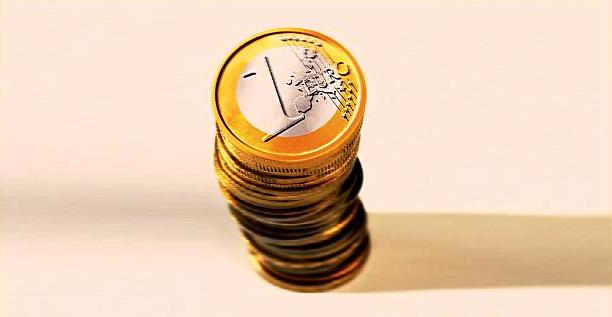
Euro currency symbol assembled with coins. Isolated on whiteDa bi se u zemljama eurozone podstakao rast bile su neophodne mjere Evropske centralne banke koje bi odražavale aktivniji pristup monetarnoj politici. U nedostatku takvih konkretnih akcija, prije pokretanja programa kvantitativnog popuštanja, ali i nakon njega reakcije širom Evrope odražavale su osudu takozvanog ekonomizma, a bile su praćene predlozima o napuštanju eura, odbijajući pritom da se prikriju posljedice koje bi bile prilično teške, veoma rizične i same sebi nedovoljne.


Lociranje problema u evropskim finansijama, nezavisno od konkretne politike ECB, gotovo je nezamislivo bez razmatranja političkih, nacionalističkih, pa čak i ksenofobnih elemenata koji karakterišu dešavanja na Starom kontinentu posljednjih godina, zbog čega se upravo euro, kao simbol očuvanja evropskog jedinstva, zadržava, izvan sve priče o troškovima koji bi nastali njegovim povlačenjem iz dijela ili cijele eurozone. Sa druge strane, jedinstvu valute nedostaje jedinstvo na fiskalnom planu, kao i zajednički evropski trezor sa isključivom namjenom za otplatu zajedničkog duga, a ključno je odsustvo stvarnog evropskog budžeta i finansijskih transfera koji bi bili nezamjenjiv dio takvog sistema.

Evropsku ekonomiju dugo je karakterisao vidljiv pad potrošnje, dok je rast iznosio tek između nule i jedan odsto. U međuvremenu uslijedio je pomak po pitanju priliva investicija, no iz negativne ka nultoj vrijednosti, odnosno od minus pet odsto do nule. Za to vrijeme stagnirao je i izvoz, a iz predostrožnosti rasla je štednja. Na ukupnom planu, i pored problematične situacije u jednom broju perifernih zemalja, uslijedio je relativno miran period, no upravo ono što zabrinjava je što bi njegovo duže trajanje moglo umrtviti privredu i onih zemalja koje su na granici stabilnosti.

Sa druge strane, britanska funta, čija je precijenjenost prema ocjeni lokalnih zvaničnika i biznismena otežavala dalji razvoj, uoči krize iznosila je više od 1,5 eura prije krize, dok su britanski troškovi proizvodnje bili na paritetu od 1,25 eura. Sa druge strane, primjer zemlje koja je ulagala sve napore da obori vrijednost sopstvene valute je Japan, gdje je, međutim, sistem trajno naviknut na niz zabrinjavajuće niskih vrijednosti pokazatelja, no koji ipak obezbjeđuju balans u uslovima rastuće zaduženosti. ECB jedina je koja nema takvu monetarnu politiku, iako u sada za njom postoji najveća potreba.

Paralelno sa ovim dolazi do promjene trendova na globalnom nivou, znatno različitih u odnosu na ono što se moglo vidjeti prije deceniju i po. Posljednju deceniju prošlog vijeka i početak novog pratio je pad cijena, ali ne i zarada, koje su u najjačim ekonomijama ili zadržane na realnim iznosima, što je bio slučaj zapadnoevropskih privreda ili blago rasle, kao u SAD. U južnim evropskim zemljama postojao je trend rasta zarada od nekoliko procenata na godišnjem nivou.

Povećana konkurentnost

U postojećim uslovima povećane konkurentnosti smanjenje zarada širom Evrope ili njihova stagnacija trend su koji je prisutan već neko vrijeme i koji bi se, prema svim pokazateljima, mogao zadržati još nekoliko godina.

Za vidljive pomake bilo je neophodno da kurs eura klizne između 1,05 i 1,1 dolar, zahvaljujući čemu bi se zemljama na jugu Evrope vratila konkurentnost i potreban je kao podsticaj uvozne inflacije. Ovakvo dobijanje međunarodne konkurentnosti bi takođe doprinijelo povećanju niskih plata, što bi dodatno ojačalo slabiji euro i povećalo tražnju.
Troškovi ovog povećanja umjerenih zarada ne bi stvorili negativan uticaj na konkurentnost zemalja eurozone, već je situacija obrnuta, uz uočljiv rizik tamo gdje situacija nije pažljivo planirana i realizovana pod potpunom kontrolom.

Očekivana povećanja kamatnih stopa u SAD takođe predstavljaju jedinstvenu šansu za nove preokrete, iako sa druge strane prijeti rizik koji bi, u okolnostima slabljenja dolara, jačanje eura veće od razlike od 0,15 eura na jednom dolaru moglo donijeti.

Suočavanje sa problemom deflacije bilo je prilično sporo i otežano, što je bilo i očekivano u okolnostima u kojima je rastuća inflacija godinama prije toga nagrizala potrošnju. Ipak, u uslovima obrnutog trenda došlo je do stagnacije zarada, rast tražnje se našao skoro na nuli, dok investicije imaju tendenciju pada.

Na listi prioriteta našlo se oživljavanje izvoza iz južnih evropskih zemalja, dok bi istovremeno trebalo podržati domaću tražnju kroz povećanje minimalne zarade od 1,5 odsto do 2,5 odsto, u zavisnosti od zemlje, odnosno njihove pojedinačne konkurentnosti.

Ovakve ciljeve u okolnostima stagnacije gotovo je nemoguće postići, pa se značajan broj zemalja opredijelio za povećavanje minimalne zarade. Upravo takva politika, kakva se u nekim evropskim zemaljama sprovodi od kraja 1980-ih pokazala se kao ona koja prolongira oporavak, već samo održava sistem u životu proporcionalno resursima za koje je najmanje neizvjesno da bi mogli biti dostupni.

Javne nabavke i zapošljavanje

U mnogim zemljama eurozone, naročito njenim južnim članicama, prednost bi se mogla dati nastavku širenja aktivnosti u oblasti javnih nabavki, ali i zakonskoj regulaciji pravo na radnu sedmicu u trajanju od 35 do 39 sati, definisanu granskim ugovorima.

Ključne promjene, međutim, ne mogu uslijediti iz ovako malih, već ipak radikalnih pomaka, uz istovremeno sprečavanje da euro naglo jača u uslovima pokazivanja oporavka ili suprotno planiranih programa ekonomija korisnica drugih vodećih valuta. Ipak, postojeći pristup valutnoj politici između njenih zagovornika i kritičara otvara sukob koji produbljuje krizu, a rješenja traži u privremenim prelivanjima sredstava i pružanju sve većih iznosa pomoći koja, budući da su namijenjena finansiranju tekuće potrošnje, ne nude trajna rješenja.

Izglasavanje britanskog napuštanja Evropske unije na referendumu potvrdilo je odlučnost zvaničnog Londona da mehanizme za ostvarivanje rasta pronalazi izvan okvira koje nameće Njemačka, čija je centralna finansijska institucija Bundesbanka definisala principe, ukombinovane s nespremnošću te zemlje da uvaži drugačiji pristup.

Odsustvo rješenja koje ovaj model nudi, ali i koje se takođe nazire i iz predloga njegovih kritičara pokazuje da prostor za modulaciju postoji, samo što ga obje strane zaobilaze. Dosadašnja iskustva u svjetskoj finansijskoj istoriji sugerišu da je moguće ponuditi funkcionalno rješenje ukoliko bi bilo praćeno istinskom evropskom saradnjom u kreiranju takve valutne politike koja bi bila namijena za korišćenje u međunarodnim transakcijama, a za koju bi kursevi nacionalnih valuta članica bili fiksirane. Drugim riječima, Evropskoj uniji trenutno je potrebno rješenje poput onoga koje je globalnom monetarnom sistemu 1944. omogućio Sporazum iz Breton Vudsa, samo na nivou ove zajednice.

Ovdje je važno uzeti u obzir činjenicu da jačanje eura podstiču oni subjekti kojima je jaka valuta garant ekonomske stabilnosti, a u eurozoni to su isključivo Njemačka i Francuska. U pretkriznom vremenu ove dvije zemlje imale su relativno nizak rast, pri čemu je njemački u prosjeku iznosio 1,4 odsto, a francuski oko dva odsto, u oba slučaja praćene relativno niskom inflacijom. Sa druge strane, u pretkriznim godinama rast u Španiji iznosio je 3,4 odsto, a inflacija u prosjeku 3,2 odsto. Različite okolnosti uslovile su da je među snažnijim ekonomijama sa nižom stopom rasta politika ECB dominantno uslovila da ne dođe do krahova, dok prema onima koje je kriza najviše pogodila u vremenu prije nje, kada je postojao prostor za regulaciju jednostavno nije reagovala.

Francuski i njemački interesi

Iako bi povratak na nacionalne valute danas bio veoma teško neizvodljiv, prije svega jer ključni donosioci odluka nikada ne razmišljaju u pravcu suprotnom od njemačkih i francuskih interesa, Njemačka i Francuska kamufliraju ovaj problem nesuglasicama oko zaduživanja i programa otkupa obveznica. Veću korist od kompromisa navodnih neistomišljenika sada bi ipak donijela konkurentska devalvacija kojom bi se povećala eksterna tražnja, a sa njom i priliv novca u države članice, no ove dvije zemlje protive se onim mjerama koje bi izazvale nove tenzije.

Ekonomska strategija prema ciljevima ECB postoji i načelno makar pokušavaju da je se pridržavaju sve članice eurozone, no krajnji ishod takvih aktivnosti su potezi Španije koji kontriraju svakoj inicijativi koja potekne iz Francuske, dok istovremeno djeluje da ideje koje dolaze iz Njemačke onemogućavaju bilo kakav oporavak svih drugih zemalja. Stoga se i jačanje jedinstvene evropske valute čini kao prepreka najvećem dijelu zemalja, jer ne proizilazi iz ekonomskog rasta, niti povlačenja kapitala iz trećih zemalja, već ih onemogućava.

U tehničkom smislu, bez obzira na heterogenost ekonomskih prilika u pojedinačnim članicama i njihove nacionalne ili ukupne zaduženosti, sama eurozona uopšte nema dug, međutim, ona kao poseban pravni subjekt ima mogućnost da se zaduži ili da prikuplja sredstva kroz euroobveznice.

Zašto se u EU pribojavaju slabog inflatornog rasta?

Tokom posljednjih nekoliko mjeseci u zemljama članicama Evropske unije sve intenzivnije se razmatraju moguća rješenja za problem deflacije.

deflacijaKoliko je zastrašenost ovom pojavom u kojoj, umjesto da dobija, sve gubi na vrijednosti uticala na Evropljane govori i to da su stavovi o deflaciji toliko oprečni da protivnike doslovno svrstavaju u grupe koje vjeruju, odnosno ne vjeruju da deflacija u EU zaista postoji.
Prema ocjeni predsjednika Evropske centralne banke Marija Dragija eurozona ipak nije zašla u deflaciju. Ovaj podatak bio je povod za uvjeravanja brojnih evropskih lidera da je pred evropskom ekonomijom faza oporavka.

Ipak, veliki broj ekonomista saglasan je da ekonomska politika članica eurozone treba da bude kontraciklična, kako bi se lakše prilagodila nižoj stopi rasta.

Jedan od mehanizama kojim bi se upravljalo monetarnom politikom u eurozoni je istovremeno i onaj koji se koristi za kontrolu inflacije.

Međutim, ovim se često potcjenjuje rizik od deflacije koji se nerijetko javlja nakon recesije.

Cijene robe široke potrošnje

Od svog osnivanja Evropska centralna banka projektuje ciljanu inflaciju robe široke potrošnje kroz harmonizovani indeks potrošačkih cijena, u cilju obezbjeđivanja njenog postojanja, ali tako da stopa bude stabilizovana na oko dva odsto.

Evropski zavod za statistiku Eurostat objavio je da je u februaru ove godine stopa inflacije u eurozoni iznosila 0,8 odsto, odnosno da je ona bila manja od jedan odsto već pet mjeseci zaredom.

Za jedan dio Evropljana ovakvi podaci predstavljaju razlog za duboku zabrinutost, iako su mišljenja oko štetnosti deflacije u eurozoni podijeljena.

Prije svega, ovdje je neophodno razgraničiti da, uzevši u obzir ciljanu stopu ECB, stopa inflacije je samo znatno niža od projektovane, bez izgleda za povećanje u skorijem periodu, računajući na stanje tokom prethodnih nekoliko mjeseci.

Međutim, ovo ne znači da je, samo zato što inflacija nije na nivou od zadovoljavajućih dva odsto, zaista došlo do deflacije. Kao ključni problem uočava se niska stopa uz koju se teško ostvaruje ciljani rast bruto domaćeg proizvoda zemalja članica eurozone.

Ipak, ovakvo stanje ne destabilizuje ekonomiju zemlje i na neki način zapravo drži situaciju pod kontrolom, računajući na nedovoljno jaku kupovnu moć građana ovih zemalja.

Kada bi proizvodi uključeni u indeks potrošačkih cijena poskupljivali, a zarade Evropljana ostajale na postojećem nivou, situacija bi bila znatno alarmantnija u odnosu na sadašnju.

Ipak, kod niske stope inflacije zabrinjava vrijeme njenog trajanja.

Period od pet uzastopnih mjeseci sa inflacijom nižom od željene onemogućava pravljenje konkretnih planova u sferi javnih finansija do faze u kojoj se mogu očekivati čak i budžetski deficiti.

Bezizlaznost iz postojećeg stanja

Problem u niskoj stopi inflacije je u njenoj bezizlaznosti – vlade zemalja eurozone će prije ili kasnije potražiti načine da nadoknade gubitke, zbog čega bi smanjivanje zarada za građane moglo predstavljati isti problem kao i visoka stopa inflacije.

Za ono što zarade moći će kupovati manje, a to je ono što niko ne želi, ali što se javlja kao posljedica mjera koje sprovode vlade nakon recesije.

Činjenica je da su strukturne reforme u većini evropskih zemalja direktno prouzrokovale recesione i deflatorne pritiske.

Tokom ovakvih aktivnosti one su pribjegavale istraživanju cjenovne konkurentnosti zbog nemogućnosti devalviranja – smanjivanju zarada zaposlenih u cilju izbjegavanja ili smanjenja budžetskog deficita, preduzimanju mjera za povećanjem investicionih aktivnosti i sličnim aktivnostima koje su dovele do kratkoročnih koristi i dugoročnih posljedica po budžete tih zemalja.

Deflatorni rizik

Danas se niska stopa inflacije javila rezultat ovakvih radnji. Da bi se razumjela veličina deflatornog rizika, potrebno je situaciju mjeriti još jednim sredstvom – deflatorom brutom domaćeg proizvoda.

On ne predstavlja ništa drugo do praćenja svih cijena koje uslovlajvaju BDP, a to su kada se cijenama robe široke potrošnje dodaju javna potrošnja, investicije, izvoz i uvoz.

Drugim riječima, ovim se u realnom vremenu mogu pratiti promjene u strukturi BDP-a.

Značaj ovakvog mjerenja promjena u ekonomiji jeste što se, za razliku od klasičnog mjerenja stope inflacije mogu uočiti i promjene cijena izvan onoga što spada pod potrošnju, čime se dobija realna slika stanja.

Interesantan je primjer Japana koji je u deflaciju ušao 1999. godine, odnosno, tada je inflacija potrošačkih cijena preuzela negativan trend.

Tek sada u toj zemlji došlo je do zajedničkog zaključka protivnika i zagovornika deflacije da je bilo neophodno u samom startu boriti se protiv ovakve pojave.

Posljedica antikriznih mjera

Razlika u odnosu na eurozonu je što je, međutim, BDP deflator u Japanu poslao zabrinjavajuće signale još u ranim devedesetim godinama prošlog vijeka, prije nego što se stanje počelo odražavati na same potrošačke cijene, zahvaljujući čemu je ipak omogućeno da ekonomija te zemlje ostane stabilna.

U eurozoni to nije slučaj, jer se negativni signali očitavaju na nečemu što je posljedica, a ne uzrok, a sve ovo se nikako ne može dogoditi iznenada.

Drugim riječima, na primjeru nemogućnosti dostaizanja očekivane stope inflacije potvrđuje se sva pogrešnost i pogubnost antikriznih mjera koje su u eurozoni sprovođene od 2009. godine.

Nepovoljna situacija u perifernim zemljama postojala je još od sredine 2008. godine, a sredstva preduzeta za borbu protiv recesije samo su usložnjavala probleme.

Iako se smatra da je Grčka najteže podnijela udare krize, ključni problemi ove vrste javili su se u Portugalu i Španiji.

Već tada BDP deflator u ovim dvijema zemljama počeo je da se kreće ka nultoj stopi, da bi kroz četiri godine skliznuo na taj nivo.

Sadašnje stanje u ovim zemljama ukazuje na potpunu neodrživost, nalažući istovremeno nova zaduživanja.

Sve dalje od ciljanog

Na nivou eurozone BDP deflator je, međutim, rastao u prosjeku za 1,3 odsto na godišnjem nivou, što je i dalje manje od ciljanih 1,9 odsto i sve dok se ne nađe na toj stopi ne postoje nikakvi izgledi za trajni oporavak eurozone, niti mogućnosti za povećanjem stope inflacije.

Ovdje, dakle, nije problem u deflaciji, već u svim njenim uzrocima, iako se evropski zvaničnici trude da ovako postave stvari.

Deflacija se ne može smatrati povodom za nova zaduživanja ako je uslovljena stanjem postojeće prezaduženosti, niti razlogom za smanjenjem zarada ako je ta mjera prethodno rezultirala padom kupovne moći.

Ipak, jedino za što u ovakvim uslovima evropski zvaničnici nastoje je da se izbore jeste da se situacija za njihovog mandata ne pogorša do nivoa u kojem će im ponestati mjera, čak i onih najmanje popularnih, čija neutemeljenost je odavno potvrđena.

Kome odgovara nagli rast eura?

Jak euro od početka ove godine sve više zabrinjava evropske preduzetnike, dok upozorenja Evropskoj centralnoj banci stižu sa brojnih adresa. Kurs od oko 1,37 američkih dolara mnogi privredni subjekti ocjenjuju izuzetno štetnim i rizičnim ukoliko se bude zadržao još neko vrijeme.

rast eura perperzonaOvakvo stanje, međutim, podupiru oni subjekti kojima je jaka valuta garant ekonomske stabilnosti, a u sedamnaestočlanoj eurozoni to su isključivo Njemačka i Francuska. U pretkriznom vremenu ove dvije zemlje imale su relativno nizak rast, njemački u prosjeku 1,4 odsto, a francuski oko dva odsto, koji je pratila relativno niska inflacija. Takođe, prije izbijanja krize rast u Španiji iznosio je 3,4 odsto, a inflacija u prosjeku 3,2 odsto. U slučaju jakih zemalja sa nižom stopom rasta politika ECB u velikoj mjeri uslovila je da ne dođe do krahova, dok prema onima koje je kriza najviše pogodila u vremenu prije nje, kada je bilo prostora za regulaciju jednostavno nije reagovala.
Odnos ECB prema pojedinačnim korisnicama zajedničke evropske valute jedan je od ključnih argumenata za napuštanje eura čijih zagovornika je u posljednje vrijeme sve više. Iako je povratak na nacionalne valute danas gotovo neizvodljiv, prije svega jer ključni donosioci odluka nikada neće razmišljati u pravcu suprotnom od njemačkih i francuskih interesa, ideja o napuštanju eura mogla bi poslužiti kao signal centralnoj evropskoj finansijskoj instituciji da promijeni pristup prema sadašnjim problemima.

Dok Francuska i Njemačka kamufliraju ovaj problem nesuglasicama oko euroobveznica i bankarske unije, kao da su to dva ključna pitanja od kojih zavisi održivost evropskih finansija, problem različitih ciljeva na čijem ujednačavanju ECB kao da ni ne insistira ostaje daleko po strani. Veću korist od kompromisa sadašnjih neistomišljenika, dviju vodećih članica EU sada bi ipak donijela konkurentska devalvacija kojom bi se povećala eksterna tražnja, a sa njom i priliv novca u države članice.

Međutim, dok se zalažu za štednju u drugim zemljama, Njemačka i Francuska ključne su protivnice značajnijeg obaranja cijena i smanjenja plata u mjeri u kojoj bi ono prouzrokovalo socijalne tenzije među njihovim građanima, no ove mjere koriste kao sasvim opravdane kada treba rješavati probleme onih članica čija inflacija već jeste gotovo na minimumu i gdje su plate niže nego prije izbijanja krize.

Ekonomska strategija prema ciljevima ECB postoji i načelno makar pokušavaju da je se pridržavaju sve članice eurozone, no krajnji ishod takvih aktivnosti su potezi Španije koji kontriraju svakoj inicijativi koja potekne iz Francuske, dok sa druge strane izgleda da ideje koje stižu iz Njemačke onemogućavaju bilo kakav oporavak svih drugih zemalja. Stoga se i jačanje jedinstvene evropske valute čini kao prepreka najvećem dijelu zemalja, jer ne proizilazi iz ekonomskog rasta, niti povlačenja kapitala iz trećih zemalja, već ih onemogućava.

Ipak, rast eura prema dolaru, makar formalno potvrđuje ispravnost monetarne politike ECB, čije kamatne stope su, iako niske, i dalje više nego u SAD, dok je inflacija među najnižima u svijetu. Čak i minimalne razlike u ovim parametrima mogu doprinijeti generisanju značajnih sredstava kada se ona pozajmljuju u dolarima ili koja dolaze od investitora čiji kapital dalje cirkuliše kroz evropske banke. Ovakvim subjektima rast eura najviše odgovara, dok sa druge strane ekonomski najjače članice imaju korist od niskih uvoznih cijena, zanemarujući to što troškovi pri izvozu najčešće premašuju ove koristi, jer se njihovi negativni efekti uglavnom prelivaju na periferne zemlje. Ovo je i razlog zbog kojeg, za razliku od SAD, u EU postoji izuzetno mala vjerovatnoća da bi se mogla uvesti nulta kamatna stopa.

Osim toga, bez obzira na heterogenost ekonomskih stanja zemalja članica i njihovu pojedinačnu ili ukupnu zaduženost, eurozona sama uopšte nema dug. Sa druge strane, ona kao poseban pravni subjekt ima mogućnost da se zaduži ili da prikuplja sredstva kroz euroobveznice, no to je karta na koju bi ECB mogla igrati tek na samom kraju, a kraj ovakvog vođenja monetarne politike mogao bi uslijediti tek onda kada Njemačka i Francuska u potpunosti odbiju usaglašavanje oko dva ključna pitanja, za šta postoji još manja vjerovatnoća, dok god nezaposlenost i deflacija u zemljama na jugu Evrope prolongiraju neizvjesnost i njihovu vodeću ulogu. A do tada javni dug već sada najzaduženijih zemalja mogao bi se povećati do njihove krajnje neodrživosti.

Zašto EU odbija da štampa novac?

Iako su 2013. godinu obilježili relativno uspješni pokušaji jednog broja zemalja članica EU da izađu iz recesije, finansijski podaci na ukupnom evropskom nivou su i dalje alarmantni. Ekonomiski ciklusi – rast, stagnacija i recesija više se ne smjenjuju onom dinamikom koja je do prije nekoliko decenija omogućavala uravnoteženost globalnog tržišta, pri čemu padovi više ne služe samo kao signali da je nešto u načinu upravljanja finansijama potrebno mijenjati, već takva stanja postaju ona kojima se dugoročno treba prilagoditi.

perper-zona stampanje euraKada se razmatraju mogućnosti za brzo, vještačko povećanje likvidnosti prva mjera koja asocira na to je doštampavanje novca. Ovaj mehanizam se već duže vrijeme koristi u najmoćnijim svjetskim ekonomijama u trenucima kada se želi stimulisati izvoz, zbog čega dio stručne javnosti ne prestaje da zagovara da se isto uradi i sa eurom. Ovo pitanje još jedno je u nizu onih koja potvrđuju postojanje nesuglasica između evropskih i finansijskih institucija država članica, a u stanju u kojem se odluka o ovom pitanju ni ne planira usvojiti rastu samo troškovi za ublažavanje posljedica recesije. No zašto se ECB na odluči na isti onaj korak za kojim posežu mnogi drugi sistemi uglavnom se objašnjava kratkoročnim pozitivnim efektima ovakvog poteza.


Načelno se, u državama članicama EU pokušava uspostaviti sistem koji bi omogućio investitorima, koji su ključni pokretači ekonomskog rasta da obavljaju poslove u ambijentu u kojem se vladavina prava, sigurnost i transparentnost ne dovode u pitanje. Drugim riječima, načela kojima se pokušava poboljšati evropski ekonomski ambijent skoncentrisana su u sferi političko-pravnih pitanja, uz vidno odsustvo intenzivnog rješavanja ekonomskih problema ekonomskim mjerama. Ključni razlog izostanka ovakvih intervencija u ekonomskoj i finansijskoj politici EU jesu evropski ugovori kojima je definisan Evropski monetarni sistem, a prema kojima ECB nema nadležnosti ove vrste.

Promjena ovakve prakse nesumnjivo bi zahtijevala i izmjene u ključnim dokumentima kojima se uređuje ova oblast, čemu se, najviše od svih protive zemlje sa najvećim kreditnim rejtingom u eurozoni – Njemačka i Finska, čijem rastu je dodatno doprinijelo raspolaganje jakom valutom, koja bi, ukoliko bi doštampavanjem novca gubila vrijednost, uticala na smanjenje vrijednosti rezervi, ali i na kupovnu moć u odnosu na spoljno-trgovinske partnere. Sa druge strane, ograničenost u mogućnostima vođenja monetarne politike razlog je zbog kojih se kreditni rejting drugih zemalja eurozone posljednjih godina znatno snizio, jer nije bilo mogučnosti za stimulisanje tražnje i mehanizama za privlačenje investicija.

Jedinstvena evropska valuta u stvari je ključna konstanta u jednačini čiji rezultat predstavlja kretanje pojedinačnih ekonomija država članica – tamo gdje se ona množi sa pozitivnim podacima o rastu, ukupan rezultat je pozitivan, dok se kod onih zemalja koje se bore sa budžetskim deficitom i minusima odražava na negativan rezultat. Ukratko, euro je valuta koja u uslovima smanjenog dotoka novca spolja novo bogaćenje omogućava samo onim zemljama koje nijesu zapale u teške finansijske probleme, a kako najbogatije članice dominatno utiču na donošenje konačnih odluka, sve dok se ne pronađe alternativno rješenje, poput mogućeg scenarija „dva eura“ – južnog i sjevernog, monetarna politika neće biti podrška ekonomskog rasta zemalja na jugu EU. Slične za-i-protiv nesuglasice, uz podršku, odnosno protivljenje istih zemalja vidljive su i na primjeru euroobveznica.

U konačnici, sve ono što bi doprinijelo kratkoročnom rastu dužničkom krizom najpogođenijih zemalja smatra se da bi dugoročno moglo naštetiti onima koje su pronašle način da zaštite svoj finansijski sektor. Ipak, ono u čemu bi se zaista ogledali negativni efekti doštampavanja eura jeste očekivana visoka stopa inflacije koja bi bila uzrok sasvim nove vrste problema. Na pitanje zašto ovu posljedicu zemje zagovornice postojeće monetarne politike ne stavljaju u prvi plan kada navode argumente za protivljenje štampanju novog novca teško je odgovoriti tako da odgovor sadrži i logiku i ne bude u suprotnosti sa evropskim principima. A principi i načela iz ugovora se, kako se na ovom primjeru najbolje vidi, poštuju samo onda kada je potrebno zaštititi one koji su najmanje ugroženi.

I zlato gubi vrijednost

Tržište zlata jedno je od najnetransparentnijih i najpodložnije manipulacijama, iako je u posljednjoj deceniji predstavljalo najveći mamac za investitore. Ono što je takođe važno napomenuti jeste da se najveći obim trgovine ovim plemenitim metalom ne odvija u fizički isporučivoj robi, već u hartijama na kojima je naznačena njegova vrijednost, a koje se preprodaju u beskonačnost, čak do te mjere da se postavlja pitanje da li zlata u onoj količini u kojoj ga ima na tržištu kapitala zaista toliko ima i u prometu.

zlato-perperzonaU prilog tvrdnjama da je zlata izlivenog u poluge neuporedivo manje od količine kojom se svakodnevno trguje na robnim berzama idu podaci o cjenovnim oscilacijama, naročito u vrijeme krize, kao i one uslovljene određenim društveno-političkim događajima koji, na prvi pogled, nijesu dio ekonomskih procesa, ali uslovljavaju različite trendove.

Cijena zlata već neko vrijeme je u padu, a osim bombaškog napada u Bostonu koji je uslovio da samo nekoliko sati prije zatvaranja berze u Njujorku ona bude drastično snižena, već neko vrijeme postoje brojni faktori koji vrijednost ovog plemenitog metala sada drže znatno dalje od rekordnih, koje je imao na jesen 2011. godine. Zlato je našlo ulogu i u pokušajima pronalaženja rješenja kiparske krize, kada je od kiparske centralne banke zatraženo da proda najmanje 10 od ukupno 14,7 tona koliko iznose zlatne rezerve ove zemlje. Ovdje je, dakle, riječ o fizički isporučivom zlatu koje se pušta u tržišne tokove. Uzevši u obzir da je godišnja potražnja za zlatom oko 4800 tona, kiparska prodaja ne bi mogla imati bitniji uticaj na tržišne tokove, ali bi mogla biti pokretač novog talasa koji bi značajnije izmijenio strukturu i odnos cijena na tržištu kapitala ukoliko bi se neke od zemalja u krizi odlučile za sličan korak. Za zemlje poput Italije, Portugala i Španije ovo bi predstavljalo jedno od najefikasnijih i najkraćih rješenja, međutim, količina zlatnih rezervi kojima njihove centralne banke raspolažu i cijena po kojoj bi ono bilo ponuđeno na prodaju imala bi odraz na dalje tržišne tokove.

Ovakav potez zemalja eurozone najviše bi se odrazio na finansijski sistem Sjedinjenih Američkih Država. Ova zemlja bi u slučaju veće ponude fizički isporučivog zlata na tržištu svakako mogla koristiti najpopularniji mehanizam za njegovo pribavljanje – dodatno štampanje novca nakon što dobiju informaciju u kojem trenutku će posljedice devalvacije valute biti manje od koristi koje im evropsko zlato ponuđeno po jeftinijoj cijeni donosi.

Budući da je ovaj plemeniti metal neizostavni činilac u geopolitičkim odnosima, razlog više zbog kojeg bi se SAD odlučile za ovakav korak je vjerovatnoća da bi kiparsko zlato najvjerovatnije moglo završiti direktno u Njemačkoj, koja bi samo čekala priliku da ga deponuje kod Federalnih rezervi. Međutim, ovakav način vođenja američke monetarne politike, koja kao sredstvo koristi obaranje vrijednosti valute da bi pospješila međunarodnu trgovinu, ima veoma nepovoljan uticaj na zlato. Ovo je posebno postalo naglašeno nakon što je početkom godine naznačeno da bi se program kvantitativnog olakšanja mogao okončati već na jesen.

Na sve ovo dodatno utiče i kontinuirani rast berzanskih indeksa i akcija velikog broja kompanija, budući da centralne banke najrazvijenijih zemalja ubrizgavaju nove količine novca na tržišta kapitala, kako bi spriječile njihov kolaps. Jedan od najtipičnijih primjera je japanska centralna banka, koja akcije kompanije kupuje direktno na berzi i svrstava ih u investicioni portfolio, čime se i potreba za zlatom, time i njegova tražnja, a zatim i cijena lančano umanjuju.

Signal koji ukazuje na sve manju vjerovatnoću novih rekordno visokih cijena zlata je i u prognozama da inflacija u zemljama eurozone u narednom periodu ne bi trebalo značajnije da uzdrma ovo tržište. Stoga bi, budući da je vrijeme najveće krize ipak prošlo, a da ono jedino u takvim uslovima povećava vrijednost, i sam značaj zlatnih rezervi za centralne banke mogao biti manji. Ovo se naročito odnosi na zemlje poput Crne Gore, koje nemaju veće količine zlatnih rezervi, a kojima je, u vrijeme nastajanja finansijske krize, sugerisano da promijene pristup vođenju ove oblasti. Međutim, u vremenu sporijeg uspostavljanja stabilizacije mnogo je važnije imati likvidniju imovinu, a zlato će, sa padom tražnje, biti sve manje moguće pretvoriti u novac.

Euro – zatišje pred novu buru?

Nakon nekoliko kriznih talasa, koji su u posljednje vrijeme uzdrmali zemlje eurozone, situacija u zemljama članicama se stabilizuje. Iako na evropskom nivou nije postignut nijedan novi, ključni dogovor koji bi garantovao privremenu stabilizaciju finansijskih tokova, rivali finansijskih debata kao da su se zasitili cijele priče.

eurozona-stormKroz protekle tri godine ne samo da su otkrivene sve manjkavosti korištenja jedinstvene valute eura nakon što su se jedna za drugom zemlje približavale finansijskom kolapsu, već je potvrđeno da mehanizama, mogućnosti i, što je ključno, novca za reagovanje u hitnim situacijama ima uvijek. Ovo i jeste u najvećoj mjeri zabrinulo evropsku javnost i otvorilo pitanje zašto evropski lideri čekaju da jedno društvo dođe na ivicu neodrživosti da bi mu tek tada izašli u susret. No, zakonitosti po kojima se odvijaju procesi u finansijama u EU ostale su nejasne čak i upravljačima hedž fondova koji su u početku očekivali zaradu nadajući se da će se kriza pogoršati, a zatim izgubili novac praveći kalkulacije prilagođene scenariju raspada eurozone. Donosioci odluka su takođe izgubili kredibilitet prikazujući da, uprkos jedinstvu, zvaničnici pojedinih država imaju veći uticaj od čelnika evropskih institucija. Prema posljednjim finansijskim izvještajima, kapital se postepeno vraća u krizom najpogođenije zemlje na jugu EU, što se posebno odrazilo na stanje na tržištu kapitala i one učesnike koji su se prilagođavali mogućem scenariju sa dva eura – postojećim i takozvanim južnim, namijenjenim kako bi Grčku, Španiju, Portugal i Italiju zaštitio od fatalnih posljedica potpunog izlaska iz eurozone, a ostale članice od očekivanih valutnih turbulencija. Sada se, međutim, o dvostrukom euru mnogo manje govori, a smanjen je i nivo rasprava na temu o daljoj sudbini eura uopšte.

Aktuelna promjena odnosa snaga na evropskom tržištu takođe je uslovljena dvijema ključnim promjenama politika. Prva se odnosi na dogovor evropskih zvaničnika u junu prošle godine o neophodnosti sistemskih reformi unutar eurozone, počevši od bankarskog sektora, do određivanja nivoa odgovornosti i nadzora, te uslovima za vršenje dokapitalizacije. Ovim putem pokazana je spremnost za rješavanje nedostataka unutar same monetarne unije, ali na realizaciju ovih koraka se još čeka. Druga ključna novina bila je zagovaranje promjene odnosa prema monetarnim transakcijama koje je inicirano u septembru, kada je Evropska centralna banka i suštinski preuzela odgovornost za čuvanje integriteta eurozone. Ovakav pristup podržala je i njemačka kancelarka Angela Merkel, čak i pored protivljenja njemačke javnosti koja je dominantno očekivala da se scenario sa Grčkom okonča njenim izlaskom iz ove monetarne unije.

Nakon polemike vezane za donošenje budžeta za ovu godinu kao da su sa usvajanjem ovog, iako restriktivnog i po ocjeni mnogih, za većinu veoma nepovoljnog dokumenta, tenzije su se izgleda potpuno izgubile, a zemlje članice mnogo više okrenule unutrašnjim pitanjima. Ono što je izašlo na vidjelo jeste da su i kriza i programi spašavanja u većoj mjeri bili politički, nego ekonomski problemi, zbog čega dolazi i do zasićenja debatama o daljoj sudbini eura. Umjesto toga, pokazatelji na osnovu prethodnih rezultata, ali i realnih projekcija za ovu i narednu godinu govore da za većinu zemalja ne slijedi povoljan period i da bi, prema procjenama Međunarodnog monetarnog fonda decenija od 2007. do 2017. godine moga biti prva u kojoj je veći broj zemalja na kraju imao manji iznos bruto društvenog proizvoda po glavi stanovnika u odnosu na početni period. Prognoze za naredni period uključuju i mogućnost većeg raskola između Francuske koja bi mogla imati znatno nižu stopu rasta od Njemačke, koja joj postaje sve veći rival. Dok zemlje na jugu EU budu rješavale probleme smanjenja deficita, sjevernije zemlje članice razmatraće kriterijume za poresku harmonizaciju, što u sadašnjim uslovima nije izvodljivo.

Godine koje slijede nesumnjivo će pokazati da je sve ono što je urađeno nakon prvog kriznog talasa u Grčkoj bilo motivisano isključivo spašavanjem eura, te da je stvorilo ekonomski disbalans i tenzije u odnosima među članicama. Ova godina, iako relativno stabilna i bez očekivanih većih turbulencija, mogla bi biti samo uvod u novi krizni talas za koji bi najviše odgovornosti mogla snositi upravo Merkel, zahvaljujući kojoj je prividno ujedinjena Evropa pokazala snažan osjećaj za preživljavanje, ali ne i za zajedničke ciljeve.

Kriza, drugo poluvrijeme

Nagli porast nestabilnosti svjetskih ekonomskih tokova jednako je pogodio čitavu Evropu, ali su nakon završetka jednog i pojave novog kriznog talasa njihovi efekti na pojedinačne zemlje bili različiti. Kada bi se kao osnovni parametar za određivanje nivoa uticaja krize uzela isključivo veličina ekonomskih sistema, onda bi po pravilu njome najviše bile pogođene najveće zemlje, dok bi pad kupovne moći na globalnom nivou dodatno ugrozio one sa velikim učešćem izvoza u BDP-u.

perperzona stop crisisNo, kako ovakva kretanja određuje i niz drugih činilaca, logika reda veličina izostaje. Na ukupna kretanja utiču i faktori koji se u početku zanemaruju, a naknadno se nameću kao imperativ. Iako se najčešće ukazuje na neophodnost fiskalne discipline, na prvom mjestu riječ je o disciplini u njenom izvornom značenju.

Povezanost ekonomije i sporta ogleda se u velikom broju jednakih principa. I u jednoj i u drugoj oblasti bitan je plan igre, takmičarski duh, težnja ka većem i boljem, koji pri nedostatku discipline gube na značaju. Kako je kriza prvo pogodila bankarski sektor, uslijedili su pokušaji uspostavljanja mjera koje su u stvari izmicale kontroli. Rješenje problema se, međutim, nalazilo u sprovođenju temeljnih reformi, ali za njih više nije bilo pogodnog trenutka. Dug se nagomilavao, a dovođen je u pitanje i opstanak eura. Sa zemalja eurozone efekti krize odrazili su se na sve zemlje koje su sa njima ekonomski i finansijski povezane, na neke kroz smanjenje robne razmjene i sve manje prihvatljive uslove saradnje, a na Crnu Goru kroz direktni uticaj na monetarni sistem i pad investicija.

Postojeće stanje samo je potvrda da 2009. godina nije donijela završetak krize, već samo manje lošu fazu cikličnih ekonomskih tokova. Tačnije, ta godina bila je poput poluvremena sa neizvjesnim razvojem događaja u narednom dijelu. Za jedan dio zemalja Evropske unije, oporavak od krize koji je uslijedio bio je vrijeme da se sumiraju njeni negativni efekti, detaljno poradi na ispravljanju grešaka i obezbijedi da se one ne ponavljaju u sličnim okolnostima u budućnosti. Za druge je izlazak iz krize bio praćen padom tenzija u finansijskom sektoru i smanjenjem upozorenja na neophodnost štednje, uprkos činjenici da je dinamika oporavka bila znatno sporija od rasta entuzijazma.

Disciplina ili postoji u svijesti jednog društva ili se uvodi u formi načela i propisa; kod jednih je konstanta, a kod drugih sredstvo za ispravljanje grešaka. Nije bila rijetkost da, na primjer, njemačka ekipa postigne pobjedonosne poene u posljednjim minutima igre, niti da crnogorski takmičarski duh splasne nakon trijumfa u prvom poluvremenu. Trenutni uzleti za jedne timove samo su podstrek za ulaganje daljih napora, dok kod drugih stvaraju privid da situaciju drže pod kontrolom.

Odgovor na pitanje na koji način najkompleksiji sistemi najuspješnije odolijevaju krizi nalazi se u planskom i opreznom postupanju. Propust onih koji sada osjećaju posljedice drugog talasa krize bilo je znemarivanje činjenice da je stabilizacija finansijskog sistema privremena, kao i da preduzimanje mjera u početnoj fazi oporavka može imati samo kratkoročne efekte. Neke zemlje su, poput naše, međutim, odlučne u namjeri o povratku stabilnim tokovima, praveći poteze veoma ishitreno, sa već oskrnavljenim budžetima, samo produbljivale problem.

Uslijedila su nova zaduživanja za otplate starih dugova, a zatim i pogrešna procjena vremena potrebnog da kretanja kapitala budu vraćena na staze kojima su se odvijala prije krize, nakon koje nije ni bilo realno očekivati nagli priliv investicija, iako je jedino on mogao ubrzati ekonomski oporavak najugroženijih zemalja. Kada su uočene greške, radilo se na restrukturiranju duga i nametale su se nove, stroge mjere štednje, iako je u stvari neophodan bio novi stimulans. Povećavali su se ili uvodili novi porezi, smanjivale beneficije u javnom sektoru, sprovođene su akcije koje su samo produbljivale probleme.

Borba sa krizom će po mnogim procjenama trajati još najmanje godinu i po, a činioci u formuli za ublažavanje njenih posljedica su vrijeme, kojeg je sve manje i sposobnosti da se brzo i odlučno reaguje. U crnogorskom sportu ova formula odnedavno daje rezultate u posljednjim sekundama. Čeka se da je primijeni i Vlada.

Rješenje krize kros status quo

Krah Sovjetskog Saveza demantovao je shvatanja da je tehnokratija održiva u bilo kom obliku. Sa današnje vremenske distance uočava se da, iako se to dogodilo čak tri godine prije nego što je Evropska zajednica Mastrihtskim ugovorom transformisana u Evropsku uniju, njeni osnivači tada nijesu shvatali poruku koju je slom jednog jakog sistema nosio.

perperzona meetingUmjesto toga, Brisel, Luksemburg, Frankfurt i Strazbur postali su novi centri jednog sistema, koji je iza svoje zapadne geografske pozicioniranosti uspijevao da prikrije svoju osnovnu ideologiju – borbu protiv slobodnog tržišta, no, kao i svaki projekat koji se temelji na zabludama, sam je sebe uveo u opasnost od neodrživosti i dva moguća epiloga – raspad ili transformaciju.

Sama činjenica da je ekonomija Njemačke tokom ovog perioda pokazala najveću održivost i da je marka bila valuta u kojoj su, prije uvođenja eura, druge članice EU dominantno obračunavale štednju, ova zemlja je sebi stvorila preduslov da postane dominantna sila u eurozoni, naročito nakon što je zajedničko tržište postalo oslobođeno valutne razmjene. Podsjećanja radi, uvođenje nove valute predstavljalo je novi korak kojim se zajednička država članica EU činila sve izvjesnijom, a mogućnost cirkulisanja kapitala radne snage neograničenom, no svemu tome je tehnokratija stala na put i zarobila ove po svemu tržišne principe u svojim krutim formama. Tačnije, eurokratija.

Privid jednakih šansi
Da je toliki broj različitosti nemoguće regulisati jedinstvenim propisima, najbolje pokazuje to što kamatne stope, za razliku od tržišnih cijena nije moguće odrediti isključivo faktorima poput ekonomskog prosperiteta, privlačnost za ulaganje u neku zemlju ili razlika u produktivnosti između kapitala i troškova rada. Međutim, eurokratija danas, baš kao i „bratstvo i jedinstvo“ nekada, uslovila je da se pod parolama jednakosti i solidarnosti stvara privid jednakih šansi u jednoj nadasve heterogenoj zajednici, a narodima EU ostavila na teret prevazilaženje problema finansijskih tržišta kroz političke trijumfe nad zdravim ekonomskim rješenjima. Eurokrate su, umjesto u održivost ekonomije, sve napore uložile u ostvarivanje političkih ciljeva i stvorile sistem za koji nikada nije postojao trajan izvor pokretačke energije, već ga je uvijek bilo potrebno iznova pronalaziti. Činjenica je da euro, kao zajednička valuta, nije bio adekvatno rješenje ni u samom svom nastanku, jer se sam proces njegovog uvođenja mogao ostvariti na mnogo „tržišniji“ način. Danas posmatrano, jasno je zbog čega zajednička valuta nije bila garant ekonomskog prosperiteta i sve je izvjesnije da to nikada neće ni biti, jer se, osim borbe za održivost, euru suprotstavljaju i svi tržišni izazovi koji koriste svaku njegovu manjkavost za remećenje stabilnosti sistema u korist jednog njegovog dijela.

Produbljivanje krize
Ovakva valutna politika je između njenih pristalica i protivnika stvorila pravi rat koji produbljuje krizu, a rješenja traži u privremenim prelivanjima sredstava i pružanju sve većih iznosa pomoći koja, pošto služe za finansiranje tekuće potrošnje, ne nude trajna rješenja. No, kao i svaka konfliktna situacija, i ovaj „rat“ u eurozoni može se okončati na dva načina – predajom one strane čije ideje nikada ne mogu biti garant ekonomske stabilnosti, te prihvatanjem kompromisa i nastavkom zajedničke ekonomske politike ili, kao druga mogućnost, nastavkom borbe za zajednički boljitak i prihvatanjem svih mogućih rješenja koja bi vodila ka izlasku iz krize, makar ona zahtijevala i uvođenje jedinstvenog poreskog sistema EU koji bi bio preduslov za djelimični ili potpuni gubitak suvereniteta zemalja članica. Sa sadašnjeg stanovišta oba scenarija djeluju jednako nezamislivo, a sve veća kriza nalaže sve hitnije prihvatanje jednog od njih. Eurokrate su, nesumnjivo, izgubile mogućnost da se izbore za svoje ideje, a svima postaje jasno ono što su na početku odbijali da priznaju – euro je neodrživ, a dva pomenuta moguća načina izlaska iz postojeće situacije zahtijevaju detaljniju analizu.

Mogućnost rješavanja krize putem postizanja kompromisa polazi sa dva paralelna stava. Prvi ukazuje na neodrživost eura, a drugi sugeriše da se zajedničko tržište očuva po svaku cijenu. Ova dva uslova kreiraju put za povratak na nacionalne valute zemalja članica uz što manje negativnih efekata po finansijske sisteme tih zemalja. To bi značilo da javni dug neke zemlje bude isplaćen u njenoj domaćoj valuti, kao i potrebu ustanovljavanja plivajućeg kursa između nacionalnih valuta i strogog pridržavanja istom. Međutim, ovo bi svakako uslovilo i bankrot nekih institucija finansijskog sistema. Osim toga, ovakvo rješenje bi izazvalo drastičan pad standarda budžetskih korisnika, naročito zaposlenih u javnom sektoru, penzionera i vlasnika državnih obveznica, ali bi istovremeno predstavljalo i podsticajnu šansu domaćim preduzetnicima, jer bi u ovakvoj situaciji došlo do snižavanja kamatnih stopa. No, tada bi, prilikom rješavanja problema zaduženosti uz niske kamatne stope zemalja dužnika došlo do mogućnosti da upravo nejmački finansijski sistem prvi bankrotira, a euro bi se, poput Feniksa, vratio u platni sistem EU.

Drugi scenario
U slučaju mogućeg drugog scenarija, odnosno prihvatanja kompromisa po svaku cijenu ostavilo bi, sa jedne strane, finansijski sistem u postojećem stanju, a sa druge strane bio bi suočen sa novim izazovom – ostvarivanja ekonomskog rasta na datim isključivo političkim garancijama. Sve to bi se odvijalo na uštrb povećanja otvorenosti tržišta, jer bi se brojnim propisima nastojali spriječiti svi nepredvidivi tokovi, što pored toga što bi zaustavilo negativne trendove, nesumnjivo ograničavalo rast. Iz navedenog proizilazi da u takvim okolnostima ne bi bilo pobjednika, već samo gubitnika, usljed izostanka mogućnosti da se investicije i akcionarski kapital u većoj mjeri odraze na povećanje imovine preduzeća, a takav unaprijed isplaniran sistem lišen značajnijih oscilacija bio bi najpogubniji i za dioničare i korisnike osiguranja.

Privremena rješenja
Budući da bi oba pomenuta scenarija predstavljala samo privremena rješenja, postaje sve jasnje zašto se njihova primjena prolongira, što, samo po sebi, produbljuje krizu. Nesumnjivo postoji mogućnost da rješenje nametne neka od zemalja EU koja ne koristi euro – prje svega Švedska, Poljska, Danska ili, u krajnjoj liniji, Velika Britanija, a to će, u najvećoj mjeri, zavisiti od političkog trenutka. Njemačka je svojom nerijetko popustljivom politikom pokazala da u sve manjoj mjeri drži konce u rukama. Crna Gora kao zemlja koja je uvela euro da bi izbjegla rizik sopstvene valute sada je indirektno pogođena svim daljim kretanjima u ovoj oblasti, a bez obzira na njihov ishod, u godini povećanja javnog duga, neophodno je da u što skorijem roku razmotri sve mehanizme kojima finansijski sistem raspolaže kako bi prevazišla krizu. Da li bismo povratkom na sopstvenu valutu i sami izabrali ono što Evropskoj uniji neminovno slijedi nakon bilo koje izabrane odluke i mogu li druga rješenja poput snižavanja kamatnih stopa i uvođenja novih poreza biti dovoljna zaštita budžeta – ostaje da se vidi. Razapeti između rigoroznih uslova kreditnih institucija i nedostatka vremena, a uz gomilu naslijeđenih pogrešnih odluka iz nekih prošlih vremena, na ovaj odgovor nećemo dugo čekati.

Dnevni list POBJEDA.