
Download link: https://lnkd.in/etxKSXp
Download link: https://lnkd.in/etxKSXp
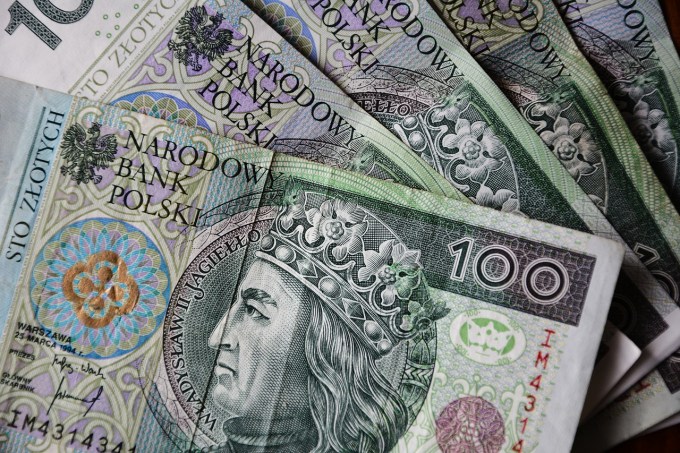
Vijest u znaku koje je trebalo da bude protekla sedmica, no o kojoj su vodeći evropski mediji izuzetno skromno izvještavali je svrstavanje prve članice nekadašnjeg Istočnog bloka, Poljske, u kategoriju razvijenih zemalja prema FTSE Russell indeksu, čime se našla u grupi 25 najmoćnijih svjetskih ekonomija.
Poljsku su, za razliku od većine evropskih zemalja, tokom protekle decenije, obilježene izbijanjem globalne ekonomske krize i nikada u potpunosti završenim oporavkom, pratili intenzivan ekonomski rast, jačanje bankarskog sektora i stabilnost javnih finansija. Za ovu zemlju od XVI vijeka, odnosno zlantnog doba tokom kojeg se njena teritorija prostirala od Baltičkog pa skoro do Crnog mora, u istoriji nije bilo većeg blagostanja od onog koje pokazuju ekonomski indikatori posljednjih nekoliko godina.
Zamjerke bi se nesumnjivo mogle uputiti na račun demokratskih procesa u Poljskoj, budući da ne samo da su uslijedlie zamjerke zbog ustavnih reformi, nego je i Evropska komisija tužila tu zemlju Sudu Evropske unije zbog reforme Vrhovnog suda, uz stav da nakon reforme ta sudska institucija neće biti nezavisna od zakonodavne i izvršne vlasti. Uprkos prijetnjama evropskim sankcijama u Poljskoj je prošle sedmice imenovano deset novih sudija vrhovnog suda u novoosnovani savjet, za koji mnogi vjeruju da bi se mogao iskoristiti za borbu protiv sudija koji kritikuju vladajuću elitu.
No, priča koja se plasira kao udarac na temelje evropske demokratije doprla je do centralnih informativnih emisija i naslovnih strana dnevnih listova, dok su na vijest o nalaženju na listi razvijenih zemalja mogli nabasati tek oni koji su se uglavnom malo duže zadržali čitajući sadržaj britanskih medija koji su u jeku priče o brexitu svrstani u one koji otvoreno promovišu prednosti istupanja Velike Britanije iz Evropske unije.
Ono što je, međutim, lajtmotiv u reakcijama na pozitivne vijesti o ekonomskim dešavanjima u toj zemlji je naglašavanje činjenice da Poljska nije članica eurozone. Uprkos postojanju brojnih drugih faktora koji doprinose stabilnosti javnih finansija u Poljskoj, monetarnom suverenitetu daje se poseban značaj.
Ova zemlja članica je Evropske unije od 1. maja 2004. godine, a proces koji je nazivan monetarnom integracijom, odnosno prilagođavanjem Mastrihtskim kriterijumima, mogao je biti okončan još 2011. ili, još vidljivije, 2015. da je raspoloženje za uvođenje eura bilo veće. To, međutim, nije bio razlog za prekid dugogodišnje debate da li Poljskoj treba euro ili je za nju bolje da zadrži nacionalnu valutu zlot, čija se jedna jedinica sada mijenja za nešto manje od četvrtine jednog eura.
Nakon niza poteza Evropske centralne banke iz kojih se od 2008. do danas vidjelo koliko je neuspjelih pokušaja oživljavanja tržišta sprovedeno kroz ni na čemu realnom utemeljene stimulanse i dalje se nije došlo do željene dinamike zdravog rasta stope inflacije, što je posebno ohrabrilo protivnike ideje o eurozoni. Ova monetarna unija, odnosno euro kao jedinstvena valuta, od starta je u dijelu stručne javnosti smatrana izvorem gorućih problema u sistemu koji nije u stanju da se istovremeno prilagođava i jakim i slabim ekonomija, a grčki scenario samo je potvrdio ovakve tvrdnje.
Štaviše, priča o visokim troškovima istupanja perifernih zemalja iz eurozone zapravo je odlično poslužila širokom političkom spektru od euroskeptika, preko konzervativaca u krizom najpogođenijim zemljama, do ekstremnih desničara širom EU da je stave u kontekst koji joj ne pripada, posebno za potrebe obesmišljavanja evropskih integracija onih zemalja kandidata koje imaju problem sa vladavinom prava.
Sa druge strane, eurozona danas predstavlja svjedočanstvo svih neuspjeha jednog monetarnog sistema koji je uslov ekonomske anemičnosti u postkriznom vremenu uslovljene monetarističkom dogmom da bi stavljanje različitih po veličini i fazi razvoja ekonomskih sistema u okrilje jedne centralne banke moglo nanijeti manje štete nego koristi većini obuhvaćenih subjekata.
Za Poljsku, zemlju čiji izvoz, posebno prehrambenih proizvoda, bilježi rast, sloboda da se utiče na kurs valute je neophodna, prije svega gledano iz ugla desetogodišnjih ekonomskih tokova, no u nekoliko navrata iznošenje ovakvih stavova rezultiralo je ngativnim komentarima na račun untarpolitičkih pitanja u Poljskoj upućenim sa njemačkih i francuskih adresa, kada je ova zemlja opominjana zbog narušavanja evropskih demokratskih vrijednosti.
Monetarna integracija nije nešto od čega se načelno bježalo. Ideja o jedinstvenoj valuti, koja datira još iz XIX vijeka kada ju je, u kontekstu priče o ujedinjenim evropskim državama promovisao Viktor Igo za zemlje koje su prihvatile približavanje kriterijumima konvergencije ni u startu nije izazivala otpor. Prvi signal tek je poslao tadašnji britanski premijer Toni Bler 1997. zahtjevom za pet vrsta testiranja ekonomskog i finansijskog okruženja, a samo tri godine kasnije u Danskoj je na referendumu odlučeno da se kruna zadrži kao nacionalna valuta. Danas se o prednostima eura, prihvaćenog 1999. te zvanično uvedenog u novčane tokove 2001. godine, za zemlje koje ga još ne koriste govori sa znatnom dozom nagađanja ili nedoumica, dok je priča o opasnostima realna i u nekim sistemima već viđena.
Brexitom narušeno pitanje opstanka EU uslovilo je vjerovanje da je budućnost te nadnacionalne zajednice u proširenju eurozone. Nesumnjivo je da bi se vjera u bolju evropsku budućnost podstakla kada bi Češka, Mađarska i Poljska prihvatile euro, no poljske vlasti su svjesne da bi efekti takvog slijeda događaja trajali koliko i oduševljenje tom idejom. Sa druge strane, kao ključni argument za pristupanje eurozoni ova se opcija ističe kao jedina alternativa povećanom ruskom uticaju na privredna kretanja u Poljskoj.
Euro bi se u tom slučaju smatrao sredstvom za povećanje ekonomske efikasnosti, pod pretpostavkom da se zemlje korisnice jedne valute nalaze u sličnim fazama ekonomskog ciklusa, što u eurozoni ipak nije slučaj. Poljska, koja koristi sredstva evropskih fondova u vrijednosti od oko 100 milijardi eura za tekući šestogodišnji period, bez snage Unije ne bi imala ekonomske pokazatelje koji je sada čine jednom od najperspektivnijih evropskih zemalja i upravo taj podatak je kontraargument priči o odsustvu ključnih dodirnih tačaka sa ekonomijama eurozone.
Sa evropskih adresa su, naročito u svijetlu kritika na račun nedemokratskih dešavanja unutar zemlje, uslijedile najave da će korišćenje sredstava iz evropskih fondova biti drastično smanjeno nakon 2021. godine, prije svega u nastojanju da se utiče na prekompoziciju na političkoj sceni Poljske, gdje konzervativne struje dobijaju na popularnosti.
Omogućavanje zlotu da slobodno pliva u odnosu na euro uslovilo je porast poljskog izvoza, koji je omogućio jačanje ekonomije, no njemu je doprinio i niz drugih mjera, od kojih je najkontroverznija bila uvođenje poreza na bankarsku aktivu, potpuno suprotna spašavanju banaka novcem poreskih obveznika širom eurozone.
Stoga je i zagovaranje uvođenja eura bivalo sve blijeđe. Danas, kada se Poljska nalazi na listi razvijenih zemalja priča o tome da bi, kako se ranije tvrdio, euro svrstao tu zemlju u klub privilegovanih evropskih nacija potpuno gubi smisao, jer je ona, sa sve otvorenim unutrašnjim pitanjima na polju demokratije danas u klubu zemalja u kojem su SAD, Velika Britanija i Japan.
Svrstavanje među razvijene zemlje učiniće Poljsku primamljivijom investitorima — tačnije, onoliko primamljivijom koliko im je oslovanje na tržištu zemlje van eurozone primamljivo. Nivo investicija i tržišta sa kojih investitori budu dolazili pokazaće (ne)opravdanost korišćenja nacionalne valute, no kakvi god rezultati u narednih nekoliko godina budu vidljivi, mogućnost prelaska na euro ostaje, dok je za zemlje eurozone napuštanje jedinstvene valute u ovim uslovima doslovno neizvodljivo.
⚪️ 🔴 ⚪️ 🔴 ⚪️ 🔴
The news that was supposed to be the last week’s highlight, though the leading European media reported very modestly about, was the classification of Poland, the first member of the former Eastern Bloc, into the category of developed countries according to the FTSE Russell Index, putting it in the group of 25 most powerful world economies.
Unlike most European countries, that seen the outbreak of the global economic crisis and never fully recovered, Poland had the intense economic growth, the strengthening of the banking sector and the stability of public finances. Since the 16th century, that is, the golden age when its territory ranged from the Baltic and almost to the Black Sea, there was no such a prosperity in history of Poland than the one that was shown in economic indicators in the last few years.
While the democratic processes in Poland could undoubtedly be questioned, since not only constitutional reforms were criticized, but the European Commission sued the country with the Court of Justice of the European Union due to the reform of the Supreme Court, with the view that after the reform this judicial institution will not be independent of the legislative and executive authorities. Despite threats to European sanctions in Poland last week, ten new Supreme Court judges were appointed in a newly-formed council, which many believe could be used to fight judges who criticize the ruling elites.
However, the story being put forward as a blow to the foundations of European democracy has reached the breaking news and cover pages of the daily newspapers, while the news of the placement on the list of developed countries could be found only by those who stayed a little longer reading the content of the British media that during brexit ware classified into those who openly promote the advantages of Britain’s withdrawal from the European Union.
What is, however, a leitmotif in the reactions to the positive news of the economic developments in that country is keeping focus on the fact that Poland is not a member of the eurozone. Despite the existence of many other factors contributing to the stability of public finances in Poland, monetary sovereignty is given a certain kind of significance.
This country is a member of the European Union since May 1st 2004 and a process called monetary integration, that is, adapting to the Maastricht criteria, was supposed to be completed in 2011 or, more obviously, in 2015 if the willingness for the introduction of the euro was greater. This, however, was not a reason to terminate the long-standing debate whether Poland needs to accept the euro or it is better to keep its national currency, whose single unit is nowadays worth a quarter of one euro.
After a series of moves by the European Central Bank, where it was obvious how many unsuccessful attempts to revive the market have been realized through real-life stimulus since 2008, the desired dynamics of a healthy rise in the inflation rate has still not developed, which especially encouraged the opponents of the idea of the eurozone. This monetary union, i.e. the euro as a single currency, has been regarded as a source of major problems in the system that was not able to adapt to a strong and weak economy at the same time, as the Greek scenario has confirmed these claims.
Moreover, the story of very high costs of joining the peripheral countries of the eurozone has actually served the broad political spectrum of the Eurosceptics, the conservatives in the countries most affected by the crisis, and the extreme right-wingers across the EU to put it in an unattainable context especially for the purpose of refocusing European integration candidate countries that have a problem with the rule of law.
Contrarily, the eurozone today presents a testimony of all the failures of a single monetary system, which is conditioned by the monetarist dogmatic cause of economic anemicity in the post-crisis period, so that the placing economic systems of different sizes and stages of the development under the control of a single central bank could cause less damage than the benefit for majority of the involved entities.
For Poland, a country whose exports, especially exports of food, recorded an increase, the freedom to influence the exchange rate is necessary, first of all, from the point of view of the 10-year economic flows, but on several occasions the emergence of such attitude has resulted in negative comments on the untargeted issues in Poland sent from German and French addresses, when this country was warned about violating European democratic values.
Monetary integration is not something that anyone was generally trying to avoid. The idea of a single currency, which dates back to the 19th century when it, in the context of the story of united European states, was promoted by Victor Hugo for countries that accepted convergence criteria was not the reason for resistance. The first signal was sent by the British Prime Minister Tony Blair in 1997, demanding five types of economic and financial environment testing, and only three years later in Denmark, the voters on referendum decided to retain the Danish crown as the national currency. Today, the benefits of the euro, accepted in 1999 and officially introduced into cash flows in 2001, speak of a considerable amount of speculation or doubt about countries that have not yet accepted it, while the story about hazards is realistic and has already been seen in some systems.
The question of the survival of the EU disturbed by the Brexit has led to the belief that the future of this transnational community is in the expansion of the eurozone. It is undoubtedly that faith in a better European future would prompt if the Czech Republic, Hungary and Poland were accept the euro, but the Polish authorities are aware that the effects of such flow of events would last as much as the enthusiasm of the idea. On the other hand this option is the only alternative to the increased Russian influence on economic trends in Poland highlighted as a key argument for joining the eurozone.
In this case, the euro would be considered as a means of increasing economic efficiency, assuming that the beneficiary countries are in similar phases of the economic cycle, which is not the case in the euro area. Poland, which uses funds of European funds worth about 100 billion euros for the current six-year period would not have economic indicators that now make it one of the most prosperous European countries without the Union’s power, and this is precisely the fact that the counter-argument is about the absence of key touch points with the economies of the eurozone.
Especially in the light of the criticism of undemocratic developments within the country, the announcements from Brussels that the use of funds from the EU would be drastically reduced after 2021, primarily in an effort to influence the overcompensation in the political landscape of Poland, where conservative subjects are getting on popularity.
Allowing zloty to float freely in relation to the euro caused the increase in Polish exports, which enabled the strengthening of the economy, but a number of other measures, of which the most controversial was the introduction of a tax on banking assets, was completely opposite to the rescue of banks by taxpayers’ money across the eurozone.
Therefore, insisting on the introduction of the euro has weakened. Today, when Poland is on the list of developed countries, ithe story that, as previously argued, the euro has classified the country into a club of privileged European nations completely loses its meaning, because it is, with all open internal issues in the field of democracy today the club of countries in which the United States, Great Britain and Japan are.
The ranking among the developed countries will make Poland more attractive to investors — more precisely, as much as it would be tempting to grow a business on the market outside the eurozone. The level of investments and markets from which investors come will show (un)justification of the use of the national currency, but whatever the outcomes in the next few years will be visible, the possibility of switching to the euro will still remain, while for the eurozone countries the abandonment of the single currency in these conditions is literally unfeasible.

Over the past several years, before the popularization of combining financial and technological trends to the extent of creating fintech trends, the general public was only familiar with the concept of digital currencies, bearing in mind that banks use their power to confront it in any way they can. However, the situation after fintech trends became the subject of scientific and academic research is very different.
Blockchain technology was initially operated in many areas, which, like all those advanced and too complicated things, was something that only enthusiasts used, showing that its development gave them more emotional satisfaction than material gain. The solutions are out of the act reflect upon one timeless, others contrived, but the way it is personified is usually tied to the defenders’ harsh attitudes to the current unfair system and the need for a significant change.
Since digital money was not designed only to represent a revolution but to bring about actual, gradual changes, its concept has not been disputed in the way of rejecting the idea a priori. Instead, it is a kind of fight from the centers of financial power against a phenomenon that poses a slow but increasing threat.
The sudden decrease in the value of the digital currency bitcoin that occurred several times was the result of a number of moves, from hacking platforms and destroying the electronic mining system to shopping at the market and selling at almost zero prices when Wall Street giants sought to eradicate it. However, the relationship of supply and demand did its part.
The focus has, however, for a long time been only on bitcoin as a phenomenon. But when it went deeper into what causes its indestructibility, it was observed that there is actually a system in which the function is revolutionary. Today, there are fewer sharp opponents, much fewer those who deny the success of bitcoin, as it was followed by a phase in which just leading global banks and corporations have shown a willingness to adopt infrastructure that allows traffic in cryptocurrency for their own business. This is a great milestone for joint technological and financial developments and from it could arise one of the most productive moments in banking in previous financial history.
This model was conceived in the created joint database which can be customized in many ways while retaining all the performance it has. Transactions limited models, such as those that occur with bitcoin based on a specific way of contracting or forced preservation process models, as in Ethereum, which at blockchain can perform general-purpose tasks.
There is already a huge number of companies in the world experimenting with Ethereum, usually working in a closed environment, and investment interest occurs at companies that still retain the status of market giants but are aware of how the strategy and the domain of business need to adapt to discern trends.
The first application and experimentation around blockchain begin, first of all, in the sphere of transmitting and sharing digital content, while in common with what is related to accounts and finances in general, it is far less represented. From the results of recently published research on digital currencies, in which the German Bundesbank participated in drafting, it is possible to conclude that the financial sector, in the next few years, expects more complex transformations than anything that happened in the last few decades. The emergence of digital currency has shown that the space for promoting electronic payments and earning transactions does not exist only in improving services provided to the end user but also in supporting these activities.
There was an attempt to improve the bitcoin network, which only allows the possibility of performing transactions but has not been adapted to other activities that, in banking practice with money, such as savings and the like. Therefore, the role of Ethereum is to try, based on decentralized networks that exist in cryptocurrency, to create options that will allow such coverage in contractual relationships, using just digital money, without having to be a value expressed in global currencies.
A few years ago, such an idea seemed to be, to say the least, vain, but now it does not initiate only alternatives. There is a huge interest from entities in the financial mainstream world. At the time of bitcoin breakthrough in the global financial waters, expecting JP Morgan to be interested in investing in this technology would be absurd. However, to date, this financial giant has invested millions of dollars in the financial startup Digital Asset Holdings to investigate the potential of bitcoin.
In private chains of cryptocurrency, no element completely defines the characteristics of the chain, without the possibility of observing it somewhere else. Here, in fact, lie all potential transactions in such networks, because defining values creates opportunities for the exchange, storage, withdrawal, and allocation of resources without involving physical cash or any other unit of measurement in the process.
This article is part of the academic publication Dividing by Zero by Ana Nives Radovic, Global Knowledge 2018
Bitcoin is used for various types of online payments, where the user sends funds to the recipient’s address in the message, combined with a private key known only to the sender. Each user has a file on their side serving as a wallet, representing an arbitrary number of key pairs. This allows access only to their funds and the use of an amount just one time when it comes to real money.
Reviews of this phenomenon in the beginning were more disbelieving and lacked serious dedication to the issue. The assumption that caused many economists to draw wrong conclusions is that Bitcoin works as real money, which is not the case. Although it serves as a medium of exchange, it does not replicate all the traditional functions of money, such as being a store of value and unit of account.
This can be explained more clearly using the example of the significant rise in the value of Bitcoin in the last few months. In classical economics, this is equivalent to discussing deflation, as well as moments when, after reaching an extremely high value, the Bitcoin bubble bursts, and its value drastically drops, resulting in inflation.
However, with Bitcoin, this is not the case since inflation and deflation have no effect on the growing Bitcoin economy. Its value is created when users voluntarily accept it as currency in actual transactions. Bitcoins can be exchanged for existing currency, with the value applied on a particular day, but not as a Bitcoin price denominator. It is, however, a part of many investment portfolios, and the laws of supply and demand are affected by banks that had owned it and lowered its value by offering it to the market at extremely low prices. This lasted only until the bankers exhausted their stocks and lost the ability to continue affecting the value of Bitcoin, gradually realizing the original idea: that money is managed by all who use it, not just selected central banks.
This idea easily becomes accepted by the worldwide population, burdened by debt and loan installments until their currency differences are not in their favor. Alternative payment methods existed before, but Bitcoin became interesting to the public for a completely different reason. The total value of bitcoins on the stock market could be represented in billions of dollars, but the topic’s popularity in economic circles raises questions about whether it involves someone’s hidden intention to destroy the entire financial and banking system globally.
This is the reason many reviews point to the potential danger and risk, which exactly highlights the systems’ powerlessness at the time of dealing with their own limitations. At this time, bankers are becoming aware that the era in which sovereigns dominated the world of money is coming to an end. Hence, the public is increasingly warned that Bitcoin is a dubious and risky form of investment.
A lesson drawn from current trends and the orientation of a large number of market investors is a decline in confidence in the euro and dollar, along with the announcement of a new gradual redistribution of wealth. This is initiated by citizens’ distrust in the financial, primarily banking system.
Under these circumstances, confidence in Bitcoin grows because its value is not affected by decisions made by any center of power, such as the political and economic establishment. This revolutionary influence on financial flows is something that might be considered certain. The dominance of the financial elite that caused the crisis is slowly coming to an end, and the fear of Bitcoin, along with identifying its deleterious effects, is only the initial stage of entering the market for a long fight, from which the most damaged system will emerge as the loser.
This article is part of the academic publication Dividing by Zero by Ana Nives Radovic, Global Knowledge 2018
Taking into account the fact that the world population for four decades increased from four to around 7.5 billion people, that for what 1975 could be bought for 100 dollars today should allocate more than 450, and that the price of a barrel of oil then stood at about 13 dollars, there is no formula which could carry out a factor that makes the worth of anything increased much more than 500 times, as it is the case with the currency market.
If we consider the early seventies of the last century, currency exchange was primarily used to simplify international trade. Another striking aspect regarding the magnitude of this market is that foreign trade transactions in foreign currencies accounted for only two percent of the world currency exchange.
According to Inflation Calculator data, upon the resolution of the major oil crisis in the seventies, it took 200 days for foreign exchange markets to reach a global level equivalent to annual world exports. Even though world exports have quadrupled from the beginning of the seventies to the present, the turnover in the foreign exchange market has now been reduced to 84 hours. This serves as a key indicator that the currency market is somewhat detached from the productive economy and world trade.
In recent years, the four leading banks in the world — UBS, Citigroup, Barclays, and Deutsche Bank — have controlled half of the global market. When combined with six other powerful banks, including Morgan Stanley, Bank of America, JP Morgan, Royal Bank of Scotland, HSBC, and Credit Suisse, these institutions cover 80 percent of the foreign exchange market. The remaining 20 percent is controlled by smaller banks, and only a tenth of this free portion relates to transactions for exporting to international markets.
Half of the transactions take place in the London market, where the Libor manipulation scandal has not been fully resolved. However, fines for Libor-related misconduct amounted to “only” 5.8 billion dollars — much less than what the responsible bank could have paid if proven. The daily volume of euro-dollar exchanges alone is 1,300 billion.
Meanwhile, there are increasing warnings that the Bank of England could also be held responsible for manipulation. Since the spring of 2012, large investors have been receiving alerts, leading to the realization of transactions in a very short time, before any official information becomes available in the mainstream media. Countries that are actively trying to overcome this problem, striving to maintain control over all available mechanisms, are certainly members of the Eurozone.
The set of convergence criteria, which allows the use of the euro, along with the rigorous procedures of the European Central Bank and its restrained approach to conducting aggressive monetary policy, are attempting to retain control in this area. However, the competing interests of banks headquartered outside the beneficiary countries of the euro, as well as the governments of countries facing issues in the Eurozone, are not the only concerns that exaggerate these restrictions.
This article is part of the academic publication Dividing by Zero by Ana Nives Radovic, Global Knowledge 2018
The data from the foreign exchange market for 2016 showed that the daily exchange turnover reached the amount of 5.067 billion dollars. This substantial sum is a key source of daily financing activities for banks. Due to transaction costs, even when marginal, they ensure bank liquidity in a system that relies on the principle of inter-related investment funds and daily resources.
However, banks didn’t stop at earning a commission through the possibility of converting funds from one currency to another. They went a step further by offering the ability to purchase certain currencies at a higher or lower rate, guaranteeing themselves profit from changes in foreign exchange differences. One of the key advantages that banks have is currency derivatives, where misuse can cause losses affecting the entire society.
A primary field where manipulation with rate differences takes place is in the everyday exchange between euros and dollars. For speculators on exchange rate differences, this currency pair, the most popular on the market, brings earnings expressed in billions of monetary units on a daily basis. Besides that, key irregularities became very visible during the big oil crisis in 2013. The exchange rate of the US currency, used by the world’s leading economies and the largest global consumer of energy, is conditioned by the price of oil and is inversely proportional to its growth and vice versa.
When information comes from the market in the United States, information regarding the observed phenomenon that increases the purchasing power of citizens of this country, the price of oil in the U.S. market grows. However, the level of growth depends on the effect of this trend on the price on the London market. In those circumstances, the dollar exchange rate was lower against the euro. The same relationship applied in cases where, due to the increase in oil prices, mostly because of the blockade of exports or deliveries as a result of the conflict in the Middle East, there was a decrease in the dollar. As the world’s largest consumer, the United States, due to increased production costs, tries to fight for favorable exports.
What has repeatedly happened in recent years is that, precisely at a time when the market was the most active, the daily volume of traffic was the largest. This occurred simultaneously with the growth of oil prices and the dollar exchange rate against the euro. Changes in the exchange rate between the dollar and the euro are among the most unpredictable trends and pose the highest risk for long-term forecasts. However, they are also a permanent source of income for those who assess opportunities, and banks earn a certain amount on every transaction.
Therefore, in addition to market derivatives, the foreign exchange market registered the highest growth in total global trade. Markets, particularly futures, of certain listed goods have already reached the level at which traffic is based on trade agreements that go beyond the actual stock exchange stocks. This is thanks to the fact that futures traders, for example, in oil, aluminum, or cereals, are not looking for the physical delivery of goods over which they have ownership.
The situation with gold from the stock exchange agreements has far exceeded what is physically possible to excavate from mining, showing how many market phenomena are fictitious and to what extent they are confined to papers. However, all this is negligibly small, even negligible, about the money that circulates. If the starting argument takes the information that is primarily about forty international currency market total assets worth less than ten billion dollars, and that today it is almost 530 times more, or 5,300 billion, the only conclusion that we can reach is that the growth is fictitious.
This article is part of the academic publication Dividing by Zero by Ana Nives Radovic, Global Knowledge 2018
Beyond the hesitancy of the legislator, the response of the banks to the questioning of their profession is also strongly to be feared. From this standpoint, it might seem that the banks have not yet realized that a peer-to-peer system, the bitcoin is based on, reduces the scope of depository banks since a bitcoin deposit does not exist as such. It is hard to see how the banks could justify their deposit services under Bitcoin.
The ongoing printing of money that occurred in Japan, the United States, and China also happened in the EU, which, in general, created an image of unsustainability, especially in the longer term. The generally accepted opinion is that the global scene today is characterized by currency wars of enormous proportions due to the fact that the United States, followed by Japan and later China, and finally the European Central Bank, began to introduce monetary incentives through additional printing money or programs to purchase bonds that increase the level of available resources but also cause a condition that is unsustainable in the longer term.
While for the economies of these countries, this was a signal that in the future could be a very complex problem, global financial centers have recognized it as a generous source of earnings. Changes in exchange rates were conditioned by political and economic developments in the countries that use them but also moved behind the scenes pulling the leading banks in the world, after which it seemed that once completely reliable guarantor factors are not expected to reverse the trend.
Forex trading, which became increasingly popular over the past decade, has attracted millions of users around the world, contributing to the vertiginous growth of the daily trading volume, a growing number of those who observed the legality of trading and the ability to predict the directions of growth, but also an increasing number of reports that start with the word “despite” and explain a situation in which there was an unexpected change in circumstances.
Since there are logical rules based on which the trends of changes in exchange rates can be predicted to the fifth decimal, but since, at the same time, one may also come up with unexpected shifts in this area, there is only one possible explanation, and that is that there are devices used to manipulate to enable additional income for certain entities. The currency market is huge and it continues to grow, which prevents any intervention, agreements, and coordinated actions of several participants with high stakes, especially so that it reflected at the global level could shake up relations between currencies. This does not mean that some are not able to influence the courses.
The mismatch of the political situation, reports on the economic growth of a country, inflation, employment data, and other parameters with courses of leading world currencies is explained as an outcome of activities performed by the biggest global banks. As one of the key subjects of currency exchange various mechanisms are contributing to the instability of exchange rates, mostly because a huge proportion of them are related to speculative schemes. In such an environment, only about five percent of foreign exchange transactions are related to investment, trade in goods and services that have an impact on the real economy, as well as remittances from inhabitants from abroad, while the rest of the leading banks in the world belong to the segment from which derive key sources of funding and the duration of, or in the currency exchange and the commission that thanks to the exercise.
This article is part of the academic publication Dividing by Zero by Ana Nives Radovic, Global Knowledge 2018
One of the biggest threats in today’s economy is deflation. When prices are falling steadily, consumers and businesses are less inclined to spend and invest. Also, the weight of debts automatically increases as they do not degenerate with prices. In particular, central banks target an inflation rate of more than 0 percent to 2 percent to reduce the risk of deflation. If the inflation rate is excessively low, interest rates are lowered, and the money supply is increased.
By observing the data related to global economic growth and policies of leading central banks in the world, it can be noted that since 2014, there have been billions of share repurchases. At the same time, a huge amount of money was spent to lift up prices of corporate shares from the companies themselves. The reason for governments to borrow was to cover their operating costs, while companies borrowed to increase and develop new segments, as well as to buy their shares, making up the prices. However, none of them was able to follow the rule of selling or buying at the lowest or highest, since during the crises, corporations took advantage of such a chance to buy back their own shares at reduced prices. Now that these prices are high again, they give the impression that almost everyone wants to buy, even though it must surely end. It is easier than ever to predict what will happen when stock prices collapse.
Since the global financial crisis emerged in 2008, a real war against savers has begun to lower interest rates and consequently the recompense of savings. This is followed by the lower refinancing rate almost zero level and Quantitative Easing programs. The increase in liquidity caused by quantitative easing programs does not wash out the real economy but is largely directed toward the financial sectors. The accumulation of public debts has reached such a level that monetary policies will have to transform, and inflation will make its return with its instructive dislocations, unemployment, and various types of injustices.
Measures that the leading central banks have applied to trace the path to economic recovery, combined with tighter regulations and heavier taxation, have led to an end of private investment and a deflationary spiral. In this situation, it became very obvious that currencies, especially those that are under the control of the leading central banks, are not only an expression of the value of commodities like the indicator, but they also serve as a connection between the present and the future. Price stability, which describes the situation where price fluctuations are very low or do not exist, does not concern the decisions of economic subjects, as they are standardized across all economic areas. On the other hand, the behavior of economic subjects, responsive to inflation or deflation, influences the development of inflation. Individuals try to preserve their real cash balances because they are not fooled by the monetary illusion created by inflation, and they require the maintenance of their purchasing power in real terms.
It is difficult to envisage that virtual currency, without the assistance of a government, without regulatory mechanisms, and likely to cause unstable inflation, may one day be used on a large scale. A strapping regulatory framework would also be required to guarantee that different users are not harmed. If account, exchange, and transaction costs are low with cryptocurrencies, it is notable because there is no protective covering and recourse in case of prejudice to the users. In the traditional monetary system, several components work to protect the citizens, but these structures have a cost, where deposit protection is a good example. Regulatory requirements are increasing according to the use of the currency to cover the new risks that appear. The Bitcoin network allows the currency to change owner but does not allow lending funds.
It seems that the method of the spread of monetary policy is not working or is at least detained. The spread means that the effects of changes in the key rate have a collision on the economy as a whole, down to the rate of inflation, which can be explained by the caution of banks to lend to the private sector as a result of recent stress tests and the rules set during 2010. Therefore, explaining the meaning and the purpose of the digital currency has led to defining its level of sovereignty in comparison with the existing monetary system or the position of leading central banks, where many people think that a country is sovereign and that if it has contracted a debt in a currency, it is free to reimburse it in another country it chooses.
All of these show that the users are hence reliant on its volatility, which is the spot on which bitcoin enthusiasts must not fail to turn down any liability, clearing up that the rate of conversion of regular money into bitcoin may be dissimilar from what is relevant when we convert bitcoin into regular money. This does not mean that one might require a bitcoin address to send money since an email or a phone number is enough. However, if the beneficiary does not have a digital wallet in some of the major supported currencies, they will receive bitcoins that could be exchanged on other platforms.
This article is part of the academic publication Dividing by Zero by Ana Nives Radovic, Global Knowledge 2018
The usage of blockchain in the financial sector could revolutionize the situation fundamentally by reducing the significant complexity of the reconciliation processes. This platform intends to make this process straightforward by performing only one computation and submitting a harmonized representation to the stakeholders, consequently eliminating dissimilarities in theory.
To make this transformation take place, a greater part of mining instruments will fall behind the idea that it should correspond to three-quarters of the computing power of the network for two weeks to reveal that it runs the engine correctly and can consequently enforce this new standard reasonably. Experiencing any kind of bugs at this time will lead to solving problems at the earliest stage to prevent any risky situation before broader implementation.
It would be too optimistic and even unreal to expect that this technology could transform the payment industry in the next several years since the current technological usage is not tailored to the performance of mass payment resources that require short-time responses, as is the case with payment cards.
The formation of a private blockchain, shared with the smart contract tools, comes out to be the ultimate explanation to optimizing the reconciliation procedures between financial institutions at the same time as lasting visible to the supervisory body. In any type of transaction service, this is supposed to ease the automatic transmission of verified information, while automating the confirmation procedures and definite supervision, and that is the reason why these segments would take advantage to a great extent of optimization, effectiveness, and protection.
The creation of new units of account for most cryptocurrencies that operate on the blockchain platform is programmed once and for all by an intangible algorithm, without the possibility of modification if not by a majority decision of its users. In that regard, new units in the bitcoin system are created every ten minutes as compensation for the formation of blocks by miners and only in that way.
Initially fixed at 50 bitcoins per block, it is currently 25 bitcoins, i.e. a growth of the money supply in bitcoins in the order of 10 percent per year. This fee will be divided by two every four years, implying a limit of 21 million, which will be reached around 2140, though 99 percent of this limit will have been reached by 2032. Bitcoin is ultimately an intrinsically deflationary currency whose value is destined to grow over time, giving it a competitive advantage as a store of value. The very low transaction fees explain the emergence of a third demand factor for bitcoins as a means of payment.
Some online vendors, more particularly specialized in the provision of Internet services and the online sale of rather exotic items, now accept to be paid in bitcoins, due in particular to the almost total guarantees of anonymity associated with them. The latter factor of increasing demand for bitcoins is still in its infancy, if only because at present only a very small number of items can be paid for in bitcoins, and most sellers continue to display their prices in dollars, euros, and other currencies.
The battle between customary payment systems and peer-to-peer payment systems, and therefore between state currencies and cryptocurrencies, is likely to be the subject of regulation. In the camp of bitcoin and its derivatives, two positions are already taking configuration. The first, faithful to the purpose of the existent promoters, is to fight frontally against attempts at state control, to further modify the anonymity, invulnerability, and closed nature of the system, even if it is at the cost of less user-friendliness and increased consumption of resources.
This trend is illustrated, for example, by Darkcoin or the analogous Zerocoin project, which aims at complete anonymity of transactions. The other more conciliatory trend is alternatively to seek reputability by respecting the regulatory constraints and by giving the operators the means to satisfy them in the role they have chosen. This is the beginning of a division from which two managers of systems appear, where the biggest part of users choose to be in good standing with the authorities rather than defending central orientation.
It can hence be expected that a vast majority of users will select as the reserve currency one of which they are sure that the value will not decrease over time, with bitcoin being a good candidate. Others will favor currencies standing on a material asset such as gold or currency guaranteed by the state, but in any case, it is a subjective persuasion about the promise made by the money establishment.
It should be noted that the mere coexistence of several currencies is a protection of the public against the loss of value or the disappearance of one of them. At the first sign of depreciation of a currency, users could convert their assets into a safer one, which would certainly accelerate the decline of the fragile currency but prevent it from ruin. The position of each of the money issuers would, therefore, be delicate. They should be vigilant and quick to respond to the first signs of depreciation, but the numerousness of issuers would limit the effect of the bankruptcy of one of them, and the system as a whole would be robust.
This article is part of the academic publication Dividing by Zero by Ana Nives Radovic, Global Knowledge 2018
To attract the general public, blockchain must surmount several major challenges, such as the user experience that is sometimes complicated when buying or handling bitcoins. However, the key challenge is likely to be the confidence gained from potential users.
Additionally, the study predicts that those who come through the best will be those who have succeeded in creating a very important trust capital and capitalizing on it. The study relied on historical information from 8 of the 10 largest investment banks globally and sought to figure out the type of consequence of using blockchain on costs. Accenture concluded that this technology would achieve about 30% savings in operational costs through streamlining and reducing certain functions.
The blockchain platform is the one that will have to demonstrate extreme robustness to date, as it has never been hacked since its initiation. It does not necessarily need to undergo the scrutiny faced by Bitcoin, especially because there are other cryptocurrencies. The business of bitcoins being copied could be explained by the fact that there are sites hosting bitcoins that have been duplicated, but not the blockchain platform itself.
This is good news for investment banks that are increasingly looking to reduce their costs to better value their advice and increase their returns to commercial banks. In addition to the use of bank support purposes, blockchain could also be used for data management, such as the cost of index reproduction, thus increasing data quality and lowering transaction costs. The most important feature of this platform could simply be explained to potential customers, showcasing what they would gain by using the service, without the need to qualify the details of the technology used.
For this reason, many banks have invested in this new technology since 2014, announcing that they will work together on a blockchain application in international trading. Similarly, the Wall Street clearinghouse DTCC also published a report suggesting that their project will use blockchain in the clearing process. But this technique, which relies in particular on the encryption of data, must be clearly understood by the banks but also by the regulators, the latter still being in the observation phase.
According to the announcement of DTCC, without going so far as to predict the end of banks, the idea that a certain number of banking functions may disappear in the near future for the benefit of actors using blockchain is a possible upcoming scenario, but everything will depend on the use proceedings, since the transfer of money abroad seems very promising, for example.
It highlights, in particular, “the very low intermediation costs of services based on bitcoin, compared to bank charges.” However, due to powerful regulatory barriers, particularly on credit activities at the heart of the banking business, it predicts, above all, the development of cryptocurrencies in countries where money is poorly controlled and where cryptocurrencies can function as a safe haven. More generally, in the short and medium term, cryptocurrencies and blockchain are of particular interest to developing countries and groups of people that do not use banking services.
It is also necessary to add that assorted trends come together at the same time and call for a redefinition of the role of banks. First of all, the crisis of lasting confidence, inactive due to crises and various cases, corresponds to a certain ideological antagonism of the original Bitcoin community confronted with financial institutions. After that, the technological world and the growing number of startups in the financial sector are positioned on the financial market, bursting.
Under this polymorphic pressure, which is constantly gaining in resources and visibility, traditional financial players are involuntarily forced to change their practices. Projects based on blockchain that is spreading all over the markets of developed countries are a major trend that is quickly changing automatically by conventional actors, who sometimes struggle to adapt.
For their part, the banks do not remain in remission in any case and try to turn the threat into an opportunity. The method adopted is generally the same and consists of incentivizing the suitable technology to adapt it within actual systems, by developing actual private or partially private blockchains, or by cooperating with startups in the blockchain ecosystem. This manner of operation describes quite asymptotically the state of mind of the banks, forced under the threat of cooperating, but also to conduct more or less indiscreet internal scientific research in order not to be surpassed by technology.
To continue control over their systems, experiments are accumulated around private blockchains, where only a limited number of players can record transactions or have the registry. Public blockchains are more complex to use for banks that do not want to lose control of their content and must comply with regulations such as Know Your Customer (KYC), which is not compatible with the character of transactions on a public blockchain, where the privacy of a customer is one of the key principles.
Regarding the situation within the private blockchain, for example, where the connections would be concentrated in a few selected associations or even within the different sections of the same bank, the attraction of the blockchain for the bank is simply cutting back in costs. According to a 2015 Santander report, the use of blockchain could save banks 15 to 20 billion dollars a year by 2022, thanks to a reduction in “infrastructure costs related to international payments, trading, and compliance.”
The blockchain could, for example, help them administer clearing and clearinghouses, which are complex, are concentrated, and can take two and a half days to guarantee complete clearing. At the same time, blockchain transactions would be more reliable and quicker, with lower transactional costs.
This article is part of the academic publication Dividing by Zero by Ana Nives Radovic, Global Knowledge 2018
Considering that the period without any constructive action has lasted too long, there is a strong determination among Bitcoin enthusiasts to take the initiative and promote a new version of a supplement to the blockchain world. This version competes with the original and proposes an irreversible adjustment of the rules of the software governing Bitcoin. The aim is to enhance control over the network and facilitate more transactions.
To achieve the incorporation of additional protocols, enthusiasts will focus on integrating Bitcoin with fiduciary currencies. In practice, Bitcoin continues to attract significant interest. The technology on which this currency was built is becoming a key factor in the investment strategy of major banks. Savings could reach as much as $12 billion per year by 2025 through the optimization of certain functions. Banks and financial markets are increasingly interested in this technology.
In this environment, as national currencies are put into competition, leading to the inevitable abandonment of many of them, various conceptions of settlement means and new disciplines of monetary creation may be proposed for judgment. User actions will determine the most satisfactory solutions.
The ongoing debate between virtual currencies, goods, and state currencies will be decided by the users themselves. Nevertheless, this process is likely to leave no chance for inflationary currencies and will pose challenges to those who remain in discretionary hands.
In 2015, thirteen international financial institutions, including Bank of America, Morgan Stanley, Citi, Commerzbank, and Société Générale, joined an initiative to adopt and use this practical blockchain application that could revolutionize their business. The implementation plan is expected to be realized by 2024, and under these conditions, blockchain has emerged as a potential resource for banking institutions whose authority was diminishing.
This initiative was launched due to the significant benefits of public blockchains like Bitcoin, where there is no barrier to entry, allowing anyone to create a service on the blockchain platform. It is challenging for organizations in the financial sector to ignore the subject since blockchain technology theoretically enables all types of transactions at a cost two to three times lower than current bank transaction costs. It operates on a decentralized network, eliminating the need for connected infrastructure and administrative costs.
Specifically, with confidence, anyone can establish a Bitcoin bank that accepts deposits and issues credits in bitcoins, disrupting traditional banking credit activities by breaking down entry barriers. Undoubtedly, studies on applying blockchain to finance continue to make this technology a new target.
According to a study published by Accenture, there are reasons for optimism for banks planning to implement elements of the blockchain platform in their future transactions. This movement is estimated to save up to $12 billion each year, particularly through the application of this technology to back-office functions.
This article is part of the academic publication Dividing by Zero by Ana Nives Radovic, Global Knowledge 2018
To understand the scope of fintech and blockchain revolution it is necessary to recognize a speeding up of hi-tech innovation. While observing these processes there are two phenomenons that became more and more visible and those are the tendency towards better connection with related parameters and the increased rivalry with fintech start-ups.
To understand the scope of the fintech and blockchain revolution, it is necessary to recognize the acceleration of hi-tech innovation. While observing these processes, two phenomena become more and more visible: the tendency towards better connection with related parameters and increased rivalry with fintech start-ups.
In the world of growing innovation, there is an obvious tendency towards better connection with rules and their fulfillment, as well as changes in banking practice. For example, if a majority of “minors” agree on the possibility of the transaction, then it is validated, time-stamped, and entered in the common register. A new block is then added to the blockchain in chronological order and definitively. This approach, which is at odds with the current model, however, faces certain slowness and high costs due to the computing power required to verify each transaction, limiting its development.
On the other hand, there is a growing rivalry among FinTech start-ups that take advantage of their quickness to have a strong impact on the outdated financial sector. This practice has been developing since the crisis of 2008, both in securities and in the cash system. The key problem visible from the earliest days of blockchain development was that the current banking system planned to be improved requires outsized technical resources, as well as a huge number of people on each side involved in these parts of transactions, such as the institutions that play the roles of the lender and the borrower. The key element of change introduction is openness, fundamentally through the exploitation of a blockchain.
By enlargement, a blockchain, literally a chain of blocks, denotes secure and distributed information shared by its various users, containing a set of proceedings, each of which can verify its validity. A blockchain can thus be assimilated into a large public, anonymous accounting book that cannot be falsified. This parallel statistics is a simplification, and in reality, the names do not appear in plain text in the blockchain.
Instead, there is a bitcoin address, which can be considered an account number. A bitcoin address enciphers the hash of a public key. This huge book of records of transactions allows for storing all the exchanges made between the associates from the creation to the present state. The main idea is that security and sustainability are ensured by all the participants, that is to say, by the community, who come to an agreement.
Smart contracts could be characterized as sections that are programmed to carry out specific actions. The traditional contract, which defines the obligations of the parties and their modalities, is superimposed on a computer program that automatically checks that the conditions are fulfilled and executes the terms of the contract accordingly. Each block of the blockchain is a page of the transaction register.
The page contains a list of transactions and some other metadata. The read transaction is a special transaction that creates bitcoins and gives them to the author of the block. No central conciliator exists; it is, therefore, decentralized, and stored on the servers of its users. Indeed, even if investors were totally uninterested in the future of Bitcoin, this blockchain is already reused in many areas that require a trusted third party.
The blockchain becomes the agreement of an individual and an individual, even at a distance, without the controlling authority. The blockchain makes the virtual world the community it had ceased to be. To accept this interactivity, the conditions must be checked via the blockchain on which the smart contract is layered, and the resulting consequences can be generated from this blockchain.
Consequently, the smart contract as it is understood today consists of lines of codes stored on a blockchain, which activates as a result of transactions on this blockchain, reading, and writing data. The block also contains a hash of the previous block. The miner also had to verify that the previous page is valid, i.e., all transactions on the page are valid, that the previous miner has not allocated more bitcoins than expected by the protocol, and that the hash of the previous page is satisfactorily small.
This article is part of the academic publication Dividing by Zero by Ana Nives Radovic, Global Knowledge 2018
Blockchain and fintech play a central role in the digital revolution that is shaking the world of banks, insurance companies, and other financial markets. Therefore, it is the reason for a new arrangement that will allow the revision of positive law to empower the issuance and conduction of certain non-admitted financial securities to the operations of a central securities custodian using this platform.
The use of blockchain is increasingly considered in many financial institutions, but applying it is quite complex. In this regard, two key components are distinguished: 1) determining the mechanism of the system, and 2) enabling acceptance.
The key challenge for financial institutions today is to determine the mechanism used within the blockchain system and apply it in their operations. This is a lengthy process that involves extremely complex research and testing, demonstrating the justification for the adoption of this advanced platform in daily transactions due to lower operating costs and faster fund transfers.
Bitcoin is based on a distributed database blockchain that is seen as a large register containing all transactions made. This database is replicated on all nodes. Blockchain is the computer technology used to create virtual currencies. Many institutions are also interested in applying the features of blockchain, a technology for storage and transmission of information at minimal cost, which is also secure, transparent, and operates without central control.
Even if this acceptance changes almost completely in certain activities, for example, that of officials who will have to develop more towards advice and representation at the expense of mechanical tasks of registration, conservation, and restitution, opponents will probably be fewer and less powerful than in the monetary field, which, in general, will promote the adoption of cryptocurrencies.
At the same time, the diversity of fields of application will favor the existence of different payment systems, hence different units of account. As is the case with other blockchain-backed cryptocurrencies, Bitcoin was created from computer technology that represents secure and functioning information storage and transmission technology without central control. The blockchain is similar to a huge, public, anonymous virtual registry of all transactions made by users.
This article is part of the academic publication Dividing by Zero by Ana Nives Radovic, Global Knowledge 2018
Bitcoin trade is the system of fungible bits that move from one computer to another, and no financial institution plays a role in this process. The initiative in the earliest days of Bitcoin was to produce a digital currency independent of any kind of national authority or government that would create electronic payments worldwide without the need for control, directly, and, in particular, anonymously.
Among the key benefits of Bitcoin is the reliability of transactions, the safety of which is not conditioned by mutual agreement between the seller and the buyer but by specific mathematical guarantees, and cryptographic proof that the transaction was executed. Changes in demand for bitcoin cause price changes, but most owners do not see it as a limiting factor because they expect earnings to achieve the right to bitcoin, counting on its future. All this indicates that the key component to successful trading in this cryptocurrency is optimism regarding its future and the character that will soon have a smaller reference to media reports and statements of those thanks to whose policies and strategies the gap between rich and poor is the largest since the creation of society.
This leads to an assumption that if one of the next versions of cores does not allow miners to create blocks larger than one megabyte, the development of Bitcoin would be limited. Although the state of affairs is not currently shortly, the rapidity of change in the geopolitical scenario and, above all, the impact of new digital technologies on game rules in the financial markets are greater than ever. On the other hand, the slowdown has at least two harmful effects on the system. The first one is that involved parties who convey very small amounts will face the most significant deadlines.
Transactions of zero nominal value apparently cannot pay large commissions, which goes for what creates the burning of the currency, for instance in time-stamping a document. For the monetary authorities, running the conversion between old and new organizational supervisory models is certainly not simple, especially given the growing mistrust between governments and confusion in international political relations. The second problem is that the system as such could be destabilized, which might make it very vulnerable under these conditions.
At this phase, the blocks are only filled up to approximately 40 percent, and half of the transactions are established in just less than 7 minutes, i.e., 90 percent of them in less than 23 minutes, 99 percent in less than 46 minutes, and all of them in less than 85 minutes. In cases when the blocks are packed to 80 percent, yet one-half of those transactions will still not be completed after 18 minutes. The extent of a block is defined by the number of transactions that the miner inserts, which is now limited to one megabyte. Any kind of elevating this limit would result in accepting a larger number of transactions per second, and this increase can already be achieved by adjusting a parameter that is hard-coded in the client node.
Overabundance of these blocks means a regard of risk-taking for allowing awaiting transactions to build up in the knots of the network at the risk of flooding them, consequently maintaining an inexact continuance for the transactions with the lowest costs. Considering this strategy, it is anticipated that bitcoin will remain very proficient for large amounts, and the spam of proceedings of very low value will vanish altogether. Overcrowding of the network will also benefit miners who can charge high fees, which will pledge the future of mining and network security when premiums will not be big enough.
In this period, the general cost of transactions was multiplied by 35. Taking into account the tripling of the transactions carried out during this period, the cost was multiplied by 12, so it does not represent just a growth but an exponential increase. A common value of transactions is also accelerating, and many companies in this sector have begun to make business-to-business payments, and a growing number of them have a mining cost that is too low to be observed as a significant expense. High-value-added on-chain transactions could thus gradually crowd out small payments that will have to find other spaces.
This created an expectation that an altcoin would sooner or later appear from the lot and take over, but at this stage, it is improbable. What is really happening is that a market is being formed between chain payments, secured by minors, and more customary off-chain payments. Payments outside the blockchain could surely be made through altcoins, but decreased security, increased unpredictability, and deficiency of liquidity do not always make this instrument very captivating.
Changing these settings, like any change of any importance, involves putting into circulation a new version of the software, which each user is free to install or not. The most important rivalry is not between bitcoin and an altcoin but between on-chain and off-chain transactions. As soon as a user installs the new version, the user population splits into two, and the blockchain is divided into two branches, one for each version, defining two different currencies, among which users can still choose. As users install a new version, the communications protocol of the blockchain recurrently switches them from one division to another and thus from the old to the new form of money. They can consequently, by objective action and not a simple vote, prefer the new rules of money management or stick to the old ones.
If some projects show up, offline payments will become safer than conventional payment methods. Online payments will always be the safest and most popular option, but adapted alternative offers will still cut down the pressure on this type of payment. It is good to have to develop real alternatives to on-chain transactions and allow a market to develop between fully trustless proceedings on the blockchain and offline transactions balancing partly or entirely on a third party.
As off-chain transactions, in one form or another, will develop, growth will sooner or later slow down for miners. With the appreciable investment involved and the regular division of the mining premium, they will be encouraged to increase the number of transactions to compete with “offline” payment solutions. We believe that bitcoin should multiply its turnout by 100 percent to be feasible as a store of value. At present, the Bitcoin network allows about 300,000 transactions per day, and its capacity is clearly inadequate for most financial applications, while the Visa network is known to manage hundreds of millions of transactions per day. Additionally, bitcoin has for some time been quite concentrated with longer verification times, as seen on the charts that concern the last two years.
The idea is to make them discuss the parts of the protocol to define the perfect size according to a global agreement chosen by the users. This makes the storage of data in the blockchain more efficient by introducing the impression of references to transactions, the size of the blocks is eased, and therefore the rate is increased. This problem seems to be conceptual, and before validating a connection, each miner goes through and checks all the transactions that compose it to find a double-spend and an invalid transaction. The block is being rejected in case at least one of them is found, though the explanation of block rejection could be because it is being outsized.
This article is part of the academic publication Dividing by Zero by Ana Nives Radovic, Global Knowledge 2018
When it comes to the scarcity of goods such as gold it is guaranteed by the limited amount of it as the resource on the whole world, keeping in mind that the extraction of gold has generally always required a long time. The confined supply of metallic coins has been a decisive factor in the stability of the purchasing power of these commodities, which in some sense explains why it has been designated by the market.
In this sense, the technology provided by the blockchain platform makes the imitation of bitcoin impossible, and the emergence of Bitcoin is ordered by a public algorithm that gives legibility to its creation. When compared with gold, it is also limited in supply because the number of bitcoins cannot exceed 21 million units by 2140. Regarding that, bitcoin is an asset whose purchasing power is conjugated to increase in accordance with the growth in demand on the market.
Besides that, a currency must be divisible to be used for dealing in transactions of low value. Traditional currencies have a benefit at this point because they have lower units, such as cents, euro cents, etc., that allow the performance of transactions of smaller value. In this sense, gold is less practical because it is not divisible to infinity, which is the reason why over centuries civilizations were trying to replace gold coins with some type of money of smaller value, using silver and bronze. In this sense, bitcoin has the biggest number of advantages because it is exceedingly divisible, as every single bitcoin can be divided into 100 million subunits called satoshis.
Another important feature of money and tradable goods is their possibility to be transferred to ease transactions with a smaller number of restrictions. In this sense, traditional currencies have a satisfying level of ability to be transported, particularly because electronic payment made it possible to cut down provision restraints to transmit funds to any desired location.
Nonetheless, some national policies can trim down the mobility of particular currencies. When it comes to gold, just like any other good, it is not easily transportable because of its weight. Therefore, the creation of paper money and other financial products backed by gold was meant to extend the usage of this precious metal as a medium of exchange, making it easier to trade assets, especially those of higher value, such as real estate, etc. In the field of cryptocurrencies, it is the internet that enables the carrying out of transactions in bitcoin anywhere in the world at a very low cost in comparison with traditional methods. This process has one restriction, and that is the need to have software support on both sides of transactions and the authority to have a serviceable network whose decentralized nature makes the control of capital unachievable.
A certain monetary system must be placed in a time-tested and secure institutional framework to pledge the respect of the right to make a transaction. Traditional currencies are a part of the system that is dominantly under the control of banks, where governments put a lot of precariousness because their activities may increase the risks of default on public debt. Since they use negative interest rates that are similar to a tax on deposits, that risk is even higher, especially with the expectation of picking up deposits in the event of financial undependability or bankruptcy of a state and its implication on creditors.
Regarding gold keeping, it is an activity performed by specialized companies that meet particular requirements. It has to be noted that some institutions are issuing on the paper market in an amount that exceeds securities compared to the precious metal reserves actually available, which results in the condition in which many certificate holders will never be able to convert the amount of gold they possess on paper into real precious metal on the premise of high demand for conversion since the paper market is hence to be avoided.
The security content that stimulates bitcoin is the one that is connected to the digital ecosystem, and therefore it is crucial to be cautious with online portfolios. A large number of platforms for bitcoin holding have proved to be fallible against piracy, and these providers must consequently be scrupulously chosen. For offline storage, it is generally advisable to use several portfolios on various devices to prevent the total loss of assets in case of a problem with a particular device. Because the bitcoin wallet shares the destiny with the engine where it is installed, and in case of any damage, electronic money can be lost without any possibility of backup. This is why it is highly recommended to install wallets only on devices that are in good condition, strong, resistible, and properly secured.
Regarding the ability to be a subject of exchange, money is supposed to be able to be transferred at any time to anyone who is supposed to receive it. So the size of the market is therefore a determining reference point. Traditional currencies are generally exchangeable with any trader and individual in a given territory, except in times when hyperinflation occurs. But this feature is principally due to the fact that currencies take advantage of the forced price. Still, a currency that needs involuntary price recognition is nevertheless a quality that must be looked at carefully.
The situation with gold is that it is easily listed by specialized traders, since their monetary attributes are, however, very restricted because most traders do not routinely use this feature as a mediator in trade. Regarding this, bitcoin is easy to exchange on specialized platforms and on online trading sites. For the time being, however, too few traders are willing to accept this commodity as an intermediary on an international scale so that it can be moderately described as a medium of exchange.
This article is part of the academic publication Dividing by Zero by Ana Nives Radovic, Global Knowledge 2018
It has become conventional today to compare Bitcoin with electronic gold because, by design, this currency manages its rarity, and its blockchain remains principally adapted to sizable transfers rather than to many payments of diminutive sums. The key principle emphasized in these comparisons is that if something is supposed to be compared with gold, it could also be used as a store of value.
Money is a commodity mostly wanted because of its role as an intermediary in trade. There are several criteria that traditional currencies and tradable goods fulfill, and they are all found while comparing them to Bitcoin. Regardless of the extent to which Bitcoin meets these criteria, it is significant to highlight that it has all the necessary elements of an item that change value according to the level of supply and demand shown on the market.
First of all, it comprises a store of value, which implies certain purchasing power over time. Then, it is sustainable; it must be scarce, i.e., with a limited offer; its ownership has to be secured, and it must be easily transferable and exchangeable. Throughout history, many societies have tried numerous commodities, such as gold in the first place, because of the initiation of national currencies, and that is still the only significant difference between gold and “electronic gold” in this sense.
Merely by its strength, blockchain is also modified to record nonphysical proofs of existence, etched for timelessness. Any symbol and any code correspond to a factual or essential object that can find its place in it, certifying the date given to it by this global network. For instance, it may certify credentials, communication, contracts, and proofs of claims, identification, or assets to be insured. Utilization is immeasurable to cognition-necessitous environments of credible property. The blockchain allows total belongings between programs or individuals who do not know each other.
The key principle was that a structural currency must constitute a store of value. Its purchasing power must remain certain over time, and therefore it has to be long-lasting. This is the reason why the monetary content of, for example, consumer goods has failed, because it is perishable and cannot make up reserves of value. The physical properties of gold make them long-lasting, and that is why the market valorizes these objects over time. In this regard, Bitcoin is durable because its source code is not destructible, and its computer properties do not erode its purchasing power.
When it comes to the amount in which it is offered on the market, traditional currencies have a value that depends on their rarity, i.e., the amount of money printed by a particular central bank. Money supply must consequently be limited to preserve the value of the medium of exchange to protect its purchasing power over time.
It is surely challenging for an individual to falsify fiat currency, though central banks have unlimited power of monetary creation, limited by the economic policies of governments that create them. This means that they have the legal monopoly of imitating, which lawfully destroys the scarceness necessary to keep the value of goods over time, and that is the reason why traditional money has an inflationary nature and continually loses its value.
This article is part of the academic publication Dividing by Zero by Ana Nives Radovic, Global Knowledge 2018
Electronic money maintains a strong connection with traditional money, as both are articulated in the same unit of account and are pledged on an asset. In contrast, Bitcoin relies solely on an agreement between its users, without a legal framework drawn up by any centralized body.
Furthermore, its users are the sole players in the virtual currency, creating a situation that is the opposite of traditional currencies. In this case, it is informal, challenging the formal structure of central banks. It’s noteworthy that this type of currency is not subject to any financial institution. Financial institutions are expected to act as intermediaries in information gathering, risk management, and liquidity. It is highly unlikely that this type of currency will fit into this traditional financial circuit.
This economic perspective examines a new phenomenon in the world of money, that of digital currencies such as Bitcoin. The use of these currencies, for the time being, remains very marginal and limited to basic transactions. However, some see a much greater potential and invest heavily in them. In our system, a boost in the exchange rate means that the currency appreciates. Evidently, exchange rate convenience should also be assessed in relation to inflation. If the exchange rate rises, but prices in the other country have also risen, it may be that the overseas purchasing power of our currency remains unchanged or even worse, which is the situation with the actual exchange rate.
Since the relationship of trust requires at least two individuals, and with currencies where the sender is not known, it is a safe bet that one is closer to money laundering than to procedural confidence based just on the currency itself. However, a huge gap separates them from fiat currencies because they are not supported by governments and central banks. The absence of a regulatory framework and regulatory mechanisms is very challenging, and individuals interested in purchasing these new currencies must, for that reason, remain careful and be aware of the inherent risks.
The exchange rate is determined by the acquisition of demand and supply of currency in the foreign exchange market, called Forex. The demand and offer of a currency are due to the exchange rate from a foreign currency to international trade. In this regard, there is an expectation that Bitcoin would evolve in a way that allows users to determine an exchange rate and truly be a currency, even though traditional currencies serve the three functions. In that regard, there is confidence in the unit of account, a value and savings reserve, and a protocol instrument.
While considering this, it should be noted that the price of Bitcoin is very volatile. When comparing this component with fiat currencies, it is the stability of exchange and inflation rate that generates confidence among investors. Additionally, with no intermediary financial mediations, this function is not sufficiently respected because of the lack of guarantee of deposits. This raises the question of whether it is reasonable to consider Bitcoin or any other cryptocurrency a safe haven, as there is no guarantee for its value. However, regardless of the smaller volatility of other currencies and commodities, the level of safety of transactions is higher than within traditional monetary transactions.
The exchange rate fundamentally depends on the balance of payments of a country, and primarily derives from two key factors: trade and financial investments. In the first case, it encompasses imports and exports of goods, including tourism from one country to another. Regarding the latter, it involves activities such as the purchase of foreign treasury bills, as this amount of exchange is linked principally to the level of interest rates that engage capital for good returns.
An aggregation of cryptocurrencies was established in the channel of Bitcoin, but the major principles remain the same. The creators of other cryptocurrencies tend to advocate the fact that their network is less inconvenient to support, transactions are done much faster, and the reward in terms of new currencies created is more beneficial. Some count on a faster or longer expansion of the money supply, though in that case, the difference has no effect on the purchasing power at the certain moment regarding these cryptocurrencies. Even riskier exchange rate transactions, such as currency purchase and sale transactions with the aspiration only to make a profit from the change in exchange rates over time, affect the value. Depending on the situation, monetary authorities may choose to let the exchange rate openly follow the forces of demand and supply, or they may prefer not to diverge from a certain value.
It should be noted that cryptocurrencies are one of the main restraints in the fight against piracy. To overcome the financing of pirate sites, corporations have signed agreements with electronic payment companies, such as Visa, MasterCard, American Express, PayPal, and Skrill, to ensure that illegal actions cannot be financed. This is declared through agreements between monetary authorities that advance the international monetary system.
Regarding this, the real problem is more in the misgiving of a particular currency, especially in those that lose the status of a safe haven they used to have, than in confidence in cryptocurrencies. This is evidenced by the increasing download of Bitcoin, returning the problem to national currencies and their particular monetary systems and central bank policies. Unlike Bitcoin, the derivation of national currencies is centralized, and in most countries, this role rests with a central bank.
The growth of the amount of assets is not fixed, so the choice to increase or decrease the supply of money depends on the objectives traced by the entity that issues money. In this area, traditional currencies have several advantages, since a banknote is not decomposable by itself. However, a central bank system favors inflation over the long term, continually degrading the value of the state currency.
There could be some doubts regarding the ability of central banks to make good decisions, as in most industrialized countries, central banks maintain a low and stable rate of inflation, ensuring the maintenance of the value of the currency. It must be admitted that this system works very well when one looks at the low-price increase over the past two decades.
This article is part of the academic publication Dividing by Zero by Ana Nives Radovic, Global Knowledge 2018
The more Bitcoin is compared with traditional currencies, the more apparent it becomes that some characteristics of money cannot be applied to it. Traditional currencies are characterized by three functions that serve for their legitimization: a unit of value accepted by all, a tool of reserve value and saving, and a mode of settlement of current transactions.
Since Bitcoin does not meet these three founding principles of a currency, its apprehension requires examining the extent to which these new instruments respond to the traditional definition of money and to what extent they deviate from it, raising the question of how to frame the existence and the use of this cryptocurrency.
More than an amount of centralization, Bitcoin brings about a field for actors within society. Traditional currencies, irrespective of their format, fulfill various functions, from the simplest to the most complex, essential for all processes in modern financial systems. They were given many roles that fundamentally go beyond being the measuring component and basic means of payment. They also endow with admission to savings and borrowing, as well as other financial transactions. With the emergence of clearing houses between various marketplaces, Bitcoin is making it possible to avoid saturating the network with microtransactions. This multiplication of mediators ultimately reinforces the strength and smoothness of the protocol while maintaining peer-to-peer processes at the same time. As in any market, the line of work is structured.
The European Central Bank (ECB) published a document named “Virtual currency schemes” in 2012, explaining the standpoints of this institution regarding virtual currencies and how they are supposed to differentiate from electronic currencies that have a physical corresponding item, such as a banknote or coin, even if this element could evolve for Bitcoin. As a currency, Bitcoin is the object of numerous criticisms of an economic nature, but disparate and even contradictory. Criticism of national currencies is more founded in countries where the central bank is not very autonomous, and members of the government have greater decision-making power over the issue of currency. Since the objective of price stability is less appreciated in these conditions, the value of currencies becomes much more unstable, and episodes of strong inflation can take place.
The free banking system previously anticipated by Hayek implied the elimination of central banks’ strong impact on financial processes and the issuance of currency by commercial banks. Economists from the Austrian school considered that free competition would request the most secure currency as a common prevalence for mass distribution. Part of those critics was also related to the fact that Hayek’s vision does not determine conflicts between currency as a public good and the fact that commercial banks are taking advantage of it. On the other hand, the main critics of conventional or Keynesian insight point the finger at him for not being guaranteed by the national authorities and for being unable to be shaped by the level of demand to satisfy the needs of the economy, and for being deliberately deflationary.
Electronic money is, in fact, only an improved form of fiat money, based on a bond of confidence that has progressively made it achievable to make a replacement for the sounding and tentative entity, as an appearance of conceptual and dematerialized value, to go to a document accepting value, first in contracts and then later between lines of account of the banks. Bitcoin is a simple virtual currency that is not accepted by all as a reliable standard of assessment, since for many subjects, the record of its usage does not last long enough to represent a foundation for setting rules.
In some respects, cryptocurrencies are similar to goods. Conceptually, the mechanism of monetary creation mathematically simulates the extraction of a precious metal, but they are also particularly rare. Scarcity, corresponding with high demand, is primarily what supports the price of listed goods, and that is also the principle that the idea of restraining the increase in the supply of cryptocurrencies is based on. On the other hand, in the same way that it is increasingly difficult to extract precious metals from the subsoil, where the finest deposits that have been exploited first, the production rate of cryptocurrencies decreases with time.
This article is part of the academic publication Dividing by Zero by Ana Nives Radovic, Global Knowledge 2018
Central banks are able to influence the foundation of money throughout the refinancing rate, but also by calling commercial banks to place an assured number of deposits accumulated from the community on the account that banks of the central bank in forms of reserves.
For example, the European Central Bank is autonomous of the countries from which, according to the Treaties of the EU, it cannot even receive simple advice. This is what is called the independent central bank’s doctrine. Banknotes issued by the ECB and the national central banks are the only banknotes with legal fond in the European Union. Central banks worldwide use these operations to carry out mandates reflecting economic objectives for the central financial institution.
For example, the ECB has the main goal of maintaining the inflation rate close to 2% on an annual basis through the most favorable distribution of resources and growth, while the aim of the Federal Reserve in the US is to have reasonable inflation targets to support growth and employment rates. The autonomy of these financial institutions is also supposed to ensure avoiding the infidelity of political assessment to give attention to producing a conventional and coherent economic framework, according to the formula that favors rules over the discretion right to take some action. In this framework, a variety of constraints imposed by the traditional monetary foundation path may come into view as a commotion, which explains why even financial institutions are trying to test alternative models of money creation, as well as new means of payment.
A sharp growth in the price of bitcoin from the beginning of 2017 indicates that interest in bitcoin constantly increases. It is often emphasized that the uneven changes in the value of bitcoins on a daily, weekly, or monthly basis are not conditioned by guaranteeing profits to investors, as is the case with global currencies, precious metals, oil, or any other stock exchange goods whose change, except for the level of supply and demand, is dictated by economic and political developments in the countries that use them as a means of payment or trade them. The majority of those investors point out that bitcoin does not have value, stating it to deter investment in cryptocurrencies.
The incorrectness of this assertion is quite easy to prove. Although there is no equal sign between value and price, the fact that one purchases bitcoin for an amount of assets denies this claim itself. What further points to the steady value of cryptocurrencies is that even if the market turmoil and efforts of financial centers to destroy its price were so low that there would be no denomination banknotes, world currency, which could be made without a decimal number, and its value would still exist. This is confirmed by two factors, where the first one is usefulness, and the second one is scarcity. If we illustrate this using the example of clean air, we will understand that it has value because it is useful, although it is abundant, which is why it does not pay. However, if, due to any pollution, it was preserved only in separate rooms, its price would depend on the willingness to pay to join those who want to breathe through their lungs.
As the most significant digital currency, bitcoin, since its very first days, has been compared with national currencies, although it works on completely different principles. Several things that bitcoin and national currencies have in common are not a typical cross-section for only these two categories but for anything that exists on any type of market, where its value has the possibility of being changed.
This article is part of the academic publication Dividing by Zero by Ana Nives Radovic, Global Knowledge 2018
One of the main reasons why Bitcoin was created is the dissatisfaction and distrust in the existing financial system where monetary creation is principally offered by commercial banks in their lending business. Accepting their disposal means of payment against the institution that declares these agents, credit bodies, generate new liquidity in accordance with the requirements of the financial system and market as a whole. One of the most important purposes of each central bank is to control the inflation rate, while make the circulation of money easier and helping investments to expand.
Quite the opposite, deflation is seen as a risk by economists because money creation accompanies growth. The total fixed volume of 21 million was the main reason why Bitcoin was subjected to criticism. In fact, this ceiling reflects its creators’ doubt of the quantitative easing programs that the central financial institution of the United States, the Federal Reserve, started to practice after 2008. However, this restraint also leads the Bitcoin system to have a potential deflationary outcome.
The times after the world economic crisis were characterized by a strong expansion of investment that aggregated the need for a higher level of security of transactions between agents. On the other hand, the crisis generally led to a retrenchment of credit activities because consumers cut their expenditures and real estate buying, while the business sector postponed their investments by choosing to set out of their supplies. Since banking is not automatically balanced on a day-to-day basis, a particular money market was created where banks lend to each other to resolve the problem of a lack of short-term liquidity. They can also call the central bank, which embraces the advantage of money creation and establishes the monetary base by issuing banknotes to grant liquidity to commercial banks, guaranteeing price stability and promoting the security and effectiveness of the payment system.
The possibility for these banks to be refinanced via the mechanisms that institutions of the countries where they operate have established opportunities to manipulate the activities in order to create the need for monetary creation, as commercial banks pay a price for liquidity supply. Central banks could thus buy or extract a repurchase of particular financial securities held by commercial banks against the provision of liquidity.
Bitcoin came into the primary focus of global media when the financial crisis in Cyprus occurred and caused one of the biggest concerns about the future of the European single currency. Worries about the future of the euro caused Bitcoin to triple its value in less than a month, reaching the price of $141 for the first time in the first days of April 2013. This was one of the most visible examples of how a search for an alternative is shifting the demand of investors who are willing to take new market challenges, looking for more security at the same time.
The fact that the financial world has been witnessing a great turnaround, which was at that time largely represented the exception, not the rule, has led to the occurrence of Bitcoin being backed with fierce confrontation. This type of confrontation was seen because the unpredictability of Bitcoin’s price can be reviewed as a lack of knowledge about the questionable reliability of decentralized governance. It is difficult to rely solely on efficient credit control without the support of the governmental plan and central banks’ monetary policies. Numerous studies on the supremacy of common goods, open-source assumptions, and a certain sort of what some called digital collectivism have shown that the fact that this group of enthusiasts has no centralized organizational control does not necessarily mean that the whole system is expected to be reduced to disorder.
The refinancing rates that act as the prices at which central banks allow the credit money usage represent the main structure of the money market, and when those rates are high, the demand for liquidity by the banks is low. This reflects on the interest rates of the credits that banks offer to their clients, creating a liquidity shortage since many individuals or businesses are not able to have access to this money. This causes dissatisfaction, as the trend is present everywhere, and not a single bank can offer something that differentiates completely from the rest of the financial sector. In those terms, having a decentralized system is something that causes Bitcoin’s key advantage, regardless of how exposed this cryptocurrency is to peripheral shocks because of the lack of a centralized regulation system.
Particular occurrences, such as cyber-attacks, errors in cryptograms, regulatory transformations, transaction volumes, and dysfunctions of keys, may have an impact on the value of Bitcoin. Though the margin of arbitrage gives rise to financial assumptions, which additionally makes the circumstances more complex, and therefore Bitcoin cannot serve as a means to determine value, which, on the other hand, is a crucial characteristic of traditional money.
This article is part of the academic publication Dividing by Zero by Ana Nives Radovic, Global Knowledge 2018
Currency wars are one of the reasons why the capital of many subjects directed towards investment in those assets in which the chances of manipulation kept to a minimum. Through a review of the relationship of trust in cryptocurrencies, as well as trust in institutions in this work is estimated what impact will the mechanisms on which is based the virtual money have on total cash flow in the future and what kind of perspective of bitcoin and other cryptocurrencies.
The electronic currency bitcoin is gaining popularity, although for a long time, most economists around the world did not give it importance until its value started its dizzying growth. There are three key reasons why bitcoin gained popularity in a short period: 1) simplicity in transferring value; 2) the ability to perform microtransactions; and 3) growing trust in decentralized systems.
Simplicity in transferring value was recognized as one of the main achievements of digital money. In the history of human relations, changes in the way of material exchange determined the transition to a new level of civilization. After the multifaceted exchange of goods for goods became more orderly with the emergence of certain units of measure of equal value, there was a need for such a system to be simplified to provide more precision and clarity among trading parties.
Also, since goods were often perishable, it was necessary to establish what could be a value guard. Due to its limitations, the price and scarcity of gold could not play this role for a long time, resulting in the emergence of money for the development of the culture of Phoenicians, where all goods could be paid. As with most types of money, bitcoin, as digital money, is also characterized by the change in its value.
The value of bitcoin changes on a daily and even hourly basis. However, the advantage of bitcoin is the possibility to have microtransactions, especially with online payment services that cost less than the smallest unit of a currency.
For example, if a site owner wants to charge for access to content, counting on the number of visits, it is much easier to calculate these values in bitcoin than in traditional money, especially for services priced at one or two cents. The difference between one and two cents is still double in traditional currencies. With bitcoin, the price may be expressed in as many decimals as necessary to meet the most precise measurements. While these differences may be negligible at the individual level, when multiplied by thousands or millions on a daily or annual basis, the variations in earnings are enormous. Additionally, there are no transaction costs, such as those in electronic banking, to enable intermediary earnings from commissions.
This article is part of the academic publication Dividing by Zero by Ana Nives Radovic, Global Knowledge 2018
The name of the most common cryptocurrency, Bitcoin, also refers to the protocol describing this virtual money and its implementation in the payment system. This cryptocurrency is decentralized and anyone who wishes can join the network by installing the software.
The generally accepted theory regarding the origin and formation of Bitcoin is that it was created in 2009 by one or more crypto programmers using the pseudonym Satoshi Nakamoto, although the preconditions for the development of this technology were created decades ago. The history of work on technology that created the base for cryptocurrency development has a four-decade-long history since the first RSA encryption that used a public key to encrypt confidential data and a private key to decrypt them was used in 1977.
The following years were characterized by the development of the mechanism of compression that was used to securely and efficiently store and verify a large volume of data that is today used by the Bitcoin protocol. At this phase of the late 1970s, the system for calculating all transactions contained in a data block was established. Later in the 1990s, the programming industry witnessed a wide range of research related to cryptographic protocols that represented the foundation for the development of electronic currencies that were centralized and proprietary.
An article written by mathematicians and digital money enthusiasts Stuart Haber and W. Scott Stornetta, entitled “How to Time-stamp a Digital Document,” announced the key principles of what would later be a platform on which Bitcoin works. This article was later quoted by the author signed as Satoshi Nakamoto in his white paper where the principles of blockchain were explained.
A very significant turning point in the development of the transaction protocol occurred in 1994 when a computer engineer and a researcher in cryptography, Nick Szabo, advanced the idea of a “smart contract,” which represented the computer transaction protocol that executes the terms of a contract. During the following decade, Szabo was working on the uprising of the project called BitGold, conceived as a decentralized digital currency based on chains of proofs of application and using countless elements that later were shown as the groundwork of Bitcoin, such as timestamping, digital signatures, and public keys. At the first stage of the development, it proved to be vulnerable to attacks, while later there were many efforts made to overcome this problem.
Later in 1997, the invention of Hashcash by Adam Back represented the proof that this system could work, justifying further research and development in this area. In fact, this idea had already been explored by Cynthia Dwork and Moni Naor in a report entitled “Pricing via Processing or Combating Junk Mail” published in 1993, but Adam Back had no information about their achievements in this area. At that time, Szabo described the possibilities offered by the advance of new technologies in an article entitled “Formalizing and Securing Relationships on Public Networks.” Consequently, many contracts can be implemented without difficulty if the possessions that represent the subject to the contract include a computer code guaranteeing the implementation of the contract provisions.
The next big step was the first peer-to-peer distribution via a transfer platform called Gnutella, developed in 2000 by Tom Pepper and Justin Frankel. From the economic approach, it is a classified currency that is not issued by any banking institution nor linked to a currency settlement. Also, it is not commodity money, nor a fiat currency, given that it has no required price.
However, the development of technology enabled Bitcoin to have particular elements of trading instruments, even though it does not share key characteristics with them. In that sense, there are similarities with fiat currencies although cryptocurrencies are not backed by a material asset, since it has value only because economic actors agree to use it and since the internet makes trade between them achievable. It is more leaning on the monetary exchange function than to that of a store of value, even if its deflationary character can hypothetically lead to it.
The first public announcement of Bitcoin occurred in 2008, opening the space for the first blockchain to be at the beginning of 2009. At that time, a reward for finding a block was 50 bitcoin and is divided by two every 210,000 blocks, which is scheduled to happen every four years. Since December 2012, the return is 25 bitcoin, and according to that division process, the year 2140 will be the one when no return will be provided, while the number of bitcoin will have reached a maximum of 21 million.
The rationalization of the nature of Bitcoin transactions can begin from the straightforward paradigm of the contract of sale. The smart contract would guarantee that when the seller broadcasts their possessions, the other party, in fact, receives the corresponding amount in exchange, and, on the other hand, the buyer who pays the price is guaranteed to receive the goods. In the earliest stage, Bitcoin was created by a closed community of enthusiasts that used it for internal practice. It is likely to state that they were then used for all intents and purposes as elements of an allegation of an identity based on a vision that was contrary to accepted belief of the world in reaction against the establishment.
To illustrate the value of the smart contract mechanism, Szabo used a simple example, a car rental contract. Under this contract, one pays customary sums to use the car owned by a certain rent-a-car company. In this case, the smart contract will routinely test out at each due date whether the amount owed is well paid by the renter of the car.
Provided that the imbursement is made, the renter will be the only individual allowed to use the car thanks to the process of authentication. In the event of non-payment, the car is automatically blocked and cannot be used by the tenant, and the renter regains control. The first order, first to generate bitcoins, then as anticipated, but only at one remove, to seize them, was consequently linked to what they served to demonstrate or transmit a certain way of existence and an assured way of seeing the situation.
Fundamentally, Bitcoin was not very diverse from what one finds in the world of fine arts since, for their enthusiasts, it represented a way of living and demonstrating its distinction
This article is part of the academic publication Dividing by Zero by Ana Nives Radovic, Global Knowledge 2018
There is a belief that negative interest rates only concern banks, which perceive their deposits with the ECB not rewarded but commissioned up to an annual interest rate that is still under zero percent. In reality, there is not a single entity that could borrow from their bank at rates below zero.
Repaying less than the totality of the borrowed capital is not allowed at any point in the financial system. When one borrows 100, one has to pay 100, plus interest, which is the reason why even loans with a reference rate beneath zero do not see their charges decrease.
However, there is another perception of this issue where, instead of seeing interest rates decrease as an instrument that a growing number of central banks use to recover temporary global demand, they consider zero rates, and especially the postponement of the negative interest rate area, not only as the symptom but also the symbol of growth at the level of the world economy with enormous financial and monetary disproportions of unparalleled strength. These imbalances are basically a direct consequence of the regulatory strategy choices made after the economic crisis by the major central banks, initiated by the Fed.
This perception of zero rates comprises the belief that they are not a tool that would appear in the files of the central bankers, but an apprehension sign that indicates that the circumstances, both in developed and in emerging countries, are now reaching an alarming edge that is even more sincere than right before the last financial crash. This viewpoint is followed by an unbending disapproval, even though it was articulated in very cautious standings of the outlines of studies, as well as in contemporary responses of central banks to current issues. The key problem is not whether these reproductions are theoretically acceptable or not but that they have fundamentally been calculated before the actual expansion of globalization. Therefore, their position of accounting remains principally that of state economies, while the actual financial and monetary subjects, even of relatively not large size, are nowadays occupied in a day-to-day situation of interventions without limitations.
Fundamentally, they are not considered to entirely assimilate and account for how international refinancing streams are now taking a key position in the broadcast of financial compulsions, particularly those produced by the decisions of the most important central banks in the world, as is the case with the spread of the bubble economy to emerging countries through the quantitative easing strategy and the extremely threatening counterattack that generates its closure. In fact, they represent primarily temporary reproductions that disregard the central position of what was perceived as standard. More precisely, they lead to not seeing their ultimate impact on the principles of real growth. In that case, a continued practice of the zero-rate policy leads to a progression of misrepresenting inducements that reduce productivity increase.
From this standpoint, each rise in the US inflation rate over the past several years is only a minor feature in comparison to the real intimidation that includes the detonation of global debt, the simplification of policies, the extension of the increase leverage rates, as well as the strengthening of the currency war powered by the development of quantitative easing procedures. There is a common explanation of this situation that refers to the typical connection giving which rates drop or rise in action, bearing in mind an increase in inflation that gives rise to an opposite system with the persistence to accept as true that it is the decrease in the particular rate that will allow inflation to rise. Actually, this leads to the lowest level of the inflation rate with conjunction in the direction of a deflationary negative balance that the central bank wants to evade anyway.
This type of explanation would be connected to the intensification of the scarcity of securities, which appears as an automatic consequence of the crisis, but also because of the quantitative easing policy. It would have the consequence that the actual interest rate of money with fixed yields, which means the one subtracted from the nominal rate of the bond after withdrawing the inflation rate, now includes liquidity, whose outcome, for a given nominal rate goal, is to diverge the interest rate while at the same time the inflation rate moves in the opposite way from this premium change of the value.
This article is part of the academic publication Dividing by Zero by Ana Nives Radovic, Global Knowledge 2018
The words of the president of the European Central Bank Mario Draghi that have shown his call for insurance on future liquidity made an impact on the price of gold and silver. However, they have also raised many questions regarding the repeating of economic cycles and situations brought through them.
The words of the President of the European Central Bank, Mario Draghi, have shown his call for insurance on future liquidity, making an impact on the prices of gold and silver. However, they have also raised many questions regarding the repetition of economic cycles and the situations brought about by them.
We live in times when entrepreneurs are seeking to finance reasonable projects, while companies with products, customers, and profits are looking for savings to grow. There is still an ongoing process of finding a way to finance these projects of the real economy, garnering capital gains, and collecting interests. It is shown as extremely hard during this type of political control of the central banks that will not change a flawed monetary and financial system due to the lack of discipline. Under pressure from more than 200,000 billion dollars of debt, the announcement of the ECB that it will strengthen control of interest rates could happen very soon.
What the history of finance has shown is that the control of the price of credit by the state, like any control of this kind, will end in disaster. The state does not have to control the currency, the price of credit, or the economy, since the role of the government should be limited to ensuring equal rights between citizens and ensuring that they are respected.
While trying to emerge from unusual monetary policies, numerous examples of panic-driven measures can be seen. The current policies of the ECB do not differ much from what was prescribed in the Code of Hammurabi, turning the king into a god and leaving numerous people in the class of slaves. The difference, however, is that while adjusting the amount of money in current flows, it seems like the ECB does not know what to do with its “Print,” “Rate,” and “Delete” buttons. There is a strong need to make a movement in order to prepare for the end of monetary creation in the euro, but the mechanisms to do so are not in sight.
This reveals another situation of repetition of numerous times viewed situations that led to the same myths. One of them is that public money creates more wealth than private money, which is called the Keynesian multiplier. In this situation, if the government invests one euro, its return on investment will be higher than that of private persons. According to this belief, at the same time, the government is not obliged to forcefully stab taxpayers. It can simply borrow because its return on investment will always be positive. While a wretched single entrepreneur, pursuing his guilty selfish interests, may be mistaken, since the business may go bankrupt when its return on investment appears to be negative. Keynesians define the multiplier coefficient as the ratio between a change in public expenditure and the consequent change in total income. This explanation justifies the stimulus policies financed by the loan.
The ECB still injects 60 billion euros each month into the markets in order to keep interest rates low, and this trend is lasting, considering the unfortunate state of public finances of the eurozone countries. The Keynesian multiplier also relies on the strange belief that consumption enriches and the thought that when people do not consume enough, what the government should do is just to distribute them money, created from nothing, taken from others, borrowed, whatever, which will combat economic depression and unemployment. This, however, ruins all hopes of achieving a decent return in the years to come.
Technically, the ECB is more autonomous in relations with the governments, though in practice, this independence is completely apocryphal. The decisions of the ECB are essentially made in the interests of several eurozone governments. By artificially lowering interest rates, the ECB could facilitate public debt, and by financing commercial banks lending to the eurozone countries, they guarantee to the latter an almost unlimited source of income, despite their already enormous debt. For Keynesians, this situation might seem satisfactory, but its outcome is the credit market that becomes completely distorted. Resources are allocated unproductively, contributing to slowing economic growth and thus reducing poverty.
The fact is that the large capital gains are no longer on the stock market, where central banks inject thousands of billions to inflate prices, but before the IPO and even in private equity transactions. Since 2012, the money of the insiders drained by venture capital is increasing considerably. The average real return on life insurance was 1.8% in 2016. In today’s markets, listed companies are now too big and too disconnected for their shareholders to be really involved in decision-making. Also, the banking crisis is still threatening, and the European system is far from being consolidated. This all leads to a conclusion that the current monetary system, based on unrestricted credit, is a new form of crime against humanity.
There is a strong need to adopt a different approach as the mass of credit is used to protect from bankruptcy the weak links used by the parasitocracy. In these situations, banks with doubtful debts, multinationals cooperating in ruinous public projects, and expensive social spendings in southern eurozone countries.
If we return to the comparison of the current situation with the ancient one, we will see that it was not the king or the emperor who decided that gold or silver was the best suited to trade and exchange, but it was a crowd of individuals, now fallen into dust, who have come to this conclusion. In their situation, gold was imposed in a pragmatic and democratic way simply because it worked best, while the so-called added value of a centralized system imposed by a ruler was limited to a seal certifying purity and weight. There should be noted that elites hate gold but have not dared to make the last move since central banks still have a gold reserve. Today central banks still have their treasuries, or at least, that is what is being said, while the people bother to rate precious metals. In the current situation, the dollar and the euro have fallen against gold (and silver), while the dollar dropped more than the euro. As is the case anywhere else, there is value and price. Value is what each one attributes at a given moment to something, that is, the satisfaction that everyone anticipates of possessing something one desires the most — the price is what an individual agrees to pay according to his own value scale.
Three key problems have become more visible under these circumstances. The first one is that zero interest rates and generous liquidity kept the dying business alive, inflating supply. In all sectors, there is an oversupply of everything, where marginal companies have been able to continue to function even though they are fading, generating just enough income to borrow more money and to postpone the repayment of their debts. The second problem is that the income was carried by steady growth in social security contributions instead of salaries. The third problem is that the majority of employers are unable to afford to pay higher wages without considering the labor market as they are faced with ever higher costs, while their power over prices is zero because of the surplus supply. Confronted with a total lack of power over prices and higher costs, employers can either increase the working hours of their current employees or hire part-time workers without contractual benefits.
These three problems represent the most visible effects of monetary measures implemented by the ECB. By market capitalization with the money achieved by borrowing, instead of balancing the market, the ECB creates an even greater problem of social stratification, making part of the companies and therefore a huge part of the population literally slaves. As it was prescribed by the Code of Hammurabi, anyone who attempts to counter financial movements to these flows in order to facilitate the position of slaves receives a fatal outcome.
This article is part of the academic publication Dividing by Zero by Ana Nives Radovic, Global Knowledge 2018
The years of recovery from the global financial crisis are characterized by the phenomenon of negative effects that point to the detrimentalities of the overall concept on which the monetary policy of the leading central banks in the world is based, with the European Central Bank leading in flaws.
All the shortcomings of the ECB’s movements are noticeable in their results, and under the mask of public goods funding, public money instead of funding public goods is diverted to corporate giants, with particular reference to certain industries where the level of risk is extremely high, whose costs grow exponentially, and whose earnings reinforce the position of these lobbies in the creation of public policies of EU member states in partnership with their governments that hire them to carry out public projects.
In the history of the economy, there are innumerable examples of exploiting the poor for the needs of the rich, and now it is systemic, strategic, and with the institutional help of the common central bank for countries. As it has been the case ever since money began to dominate human beings, the story is based on the belief that bad money is supposed to be transformed into good money, where the bad one is private money, acquired by exploiting the weak and the poor, and it is being fictitiously transformed into good public money. In the eye of taxpayers, this creates the image of how private money is purified when it is taken by the authorities and becomes public money distributed by the government.
In these circumstances, public money is without a doubt good since it is being spent to finance the common interest. The minds of the people are guided by this myth, and it is actually one of the most rewarding underminings of our power to understand how money circulates. In the eyes of citizens, private money is perceived as the dirty result of dishonest actions, while public money relieves, as, according to what governments are trying to explain, it creates more wealth than private money.
The whole theory is based on the idea that the return on the investment made by the state will be higher than that of private persons, adding that the state can do it by borrowing instead of violently exploiting its taxpayers, basing it on the hope that its return on investment will always be positive. The image of the private sector is completely different, starting from the fact that the ideas of an entrepreneur are always being described as selfish, as well as that any business may go bankrupt, and therefore the return on those investments may be negative.
The current situation in the Eurozone shows how a change in public expenditure and the consequent change in total income is being used to falsely justify each and every stimulus policy financed by the loan. This is also one of the most harmful misinterpretations of the overall benefits of the increase in the level of consumption since the money that is supposed to be spent is actually created from nothing, borrowed, or redistributed, creating a drawback on some other budget item, which results in the creation of economic depression and an increase in unemployment. The key problem is the decision to keep the Quantitative Easing program unchanged, despite strong growth data in Eurozone countries.
The ECB still injects 60 billion euros monthly into the markets to maintain interest rates low, destroying any anticipation of achieving visible return in the years to come. Besides that, the banking crisis is still menacing, while the level of indecisiveness is too high, and the European system is far from being restored. Considering the situation on the markets, it is very obvious how companies listed there are now too big and too incoherent for their shareholders to be genuinely concerned in decision-making, so a huge stock market bubble has formed.
Also, big capital gains are no longer on the stock market where central banks inject thousands of billions to boost prices, but before the IPO and even property in private equity transactions. This increases the wealth of the insiders whose money shattered by venture capital is increasing significantly over the past five years, explaining how the QE program actually enriches a narrow circle of the powerful elite, leaving the rest of the population deeply in debt. Therefore, the monetary system is currently being based on free credit and literally forcing the citizens to use those credits is actually a crime against humanity.
Thanks to the QE program of the ECB, the mass of credit is used to protect the system from bankruptcy, where the weakest link is the banking sector with dubious debts. When this is combined with multinational corporations that are working on harmful projects supported by the governments, i.e., financed by public money and the costly social spending in almost half of the Eurozone countries, it is not hard to imagine how hard the situation will be by the end of this decade.
What should be kept in mind is the logical fact that the debt cannot be unlimited since the remuneration capacities of people are limited and since their ability to work fades over time. If the ECB continues to base its activities on infinite debt, the European population will be enslaved by their credits, and creating any type of slavery that is contrary to human rights means being involved in committing a new kind of crime against humanity.
The process of making decisions in the ECB is often perceived as democratic, though it will not change an inconsistent monetary and financial system because of its lack of regulation, and being in command of the price of credit by the authorities will end in devastation. In a system as such under the ECB, the member states do not have to have power over the currency, the price of credit, or the control of the economy, while at the same time its goal is to protect the human rights of its citizens.
National central banks under the system of the ECB are perceived as more self-directed, while in practice, this autonomy is completely fabricated. Their decisions are essentially made in the interests of governments. By artificially lowering interest rates, central banks smooth the progress of public debt and by financing commercial banks lending to their governments, they pledge to the latter an almost unlimited source of income, despite their already oversized debt. Despite the changes that occur during this process and despite how much growth occurs, this progress is pervasive, since the only long-term outcome of this policy is the creation of debt slavery.
This article is part of the academic publication Dividing by Zero by Ana Nives Radovic, Global Knowledge 2018
Bitcoin is the most common, the first decentralized and the most valuable digital currency that represents a means of payment on the internet outside the control of any financial, national or international institution, or a single company from any industry. Each relocation from one collection to another is recorded in the cryptogram of bitcoin so that the recorded history of all transactions makes it achievable to launch clearly.
What differentiates bitcoin from national currencies is its independence from any central authority that controls trade, but on a participatory functioning of all users. It is difficult to find a currency in our history that has already been free from political influence or national economy. Bitcoin is a universal currency that is even accessible to the population that does not use banking services, which is seen as the key potential of its development, considering the large number of people who do not have bank accounts or are willing to find some type of alternative for it.
Unlike regular currencies, bitcoin crosses all the barriers between nations, policies, and cultures. Its position on the market and its features show that it could be characterized as a libertarian currency based on open source and decentralized software. It has no legal framework, unlike other subjects of the monetary system, since it has no legal tender, though it may be refused by a trader.
Bitcoin transactions take place on its fundamental technology, the blockchain, which represents a distributed public database that contains a record of all exchanges since its initiation and is an innovative technology to make its functioning confident all the way through the world, holding a key function in transparency of the exchange. Bitcoin is accepted as a means of payment by a growing number of online and physical traders.
The technological and methodological features of bitcoin do not relate to any central currency issuer; currency managing is extended over every part of the network. The proper functioning of the system relies exclusively on cryptographic techniques, and anyone can generate money at the price of a resulting utilization of a time machine. The creation of bitcoin takes place via the process called mining. Mining is essentially a distributed system of compromises used to authenticate expected transactions by counting them in the blockchain platform, maintaining a chronological order in the system, protecting impartiality of the network, and permitting other computers to be in agreement on system status.
In order to be confirmed, transactions must be enclosed in a block that follows very strict cryptographic rules that will be verified by the network. These rules also take account of the creation of the comparable game of chance that puts a stop to anyone from simply adding new blocks successively into the blockchain. Mining is the track of action by which bitcoin transactions are protected, and for this purpose, the miners accomplish mathematical calculations for their bitcoin network with their computer equipment.
The hash of a block must be smaller than an assured value, and in order to accomplish this, miners must discover and insert the block keeping the hash small enough. The miners perform cryptographic hashes on what is called a block header, and for each new hash, the mining software uses a different random number. The only possible way to discover it is to find one that suits, which requires a lot of CPU work. This is actually the key to the groundbreaking aspect of the bitcoin system, since this verification of work causes all those found spots to vote with their CPU, and it is complicated for a single entity that would want to take advantage of to do so.
These procedures prevent everyone from having control over what is incorporated in the blockchain, as well as from replacing parts so that it can pull through. Instead of that, bitcoin permits each individual to firmly accumulate and switch over value on a network that cannot be detained, influenced, or blocked by any institution or individual.
When an operation is completed, the user can also give a small amount to miners to encourage them to take the transaction into account, which means that the transactions are not without charge, but that the transaction costs are insignificant. The aim of miners is to distribute a block, and they have an interest in finding a block in the course of the return they are allowed to give themselves.
It should first be noted that there is only one method for creating bitcoins that belongs to an algorithm, which is to say to a deterministic computer process. The money supply is generated by the computing power of the network computers, by correlation with the mining process, and the increase in the number of flow bitcoins is known in advance. At the same time, giving free access to powerful tools plays a significant role in protecting individual privileges and autonomy.
In this regard, bitcoin has many advantages that are increasingly creating a center of attention for many users and investors, first of all, because there are no exchange fees, while the transaction costs are much smaller in comparison to the traditional monetary system. Besides that, users are anonymous, while their transactions are public, observable and made in a way that, once recorded, they cannot be interfered with or changed.
Since bitcoin is not regulated by any central authority and the offer of bitcoin is fixed in advance, totaled at 21 million, there is no guiding principle or inflationary heaviness that is one of the key problems regarding traditional currencies. A single bitcoin can be divided up to 100 millionths, and since the volume of bitcoins that are currently in circulation exceeds 10 million units, according to Brito et al, it is expected to reach the limit of 21 million by 2140.
The monetary swiftness of bitcoin identifies itself in advance and operates through the mining process. These are the features that prevent any type of inflation from occurring since, by structure, the upper limit of bitcoin will not exceed the amount of 21 million, being, at the same time, also characterized by an outsized divisibility of bitcoin, even though so far it is applied for up to 8 or 10, but theoretically it is infinite.
Bitcoin offers a remarkable list of security-related appearances since the protocol is also designed to be very opposed to a wide range of hacking attacks, including attempts such as distributed denial-of-service. Users are also allowed to broadcast their credit card number over the internet, and what many users see as the key benefit of bitcoin usage is the fact that the transactions are both secret when it comes to their privacy, as well as completely public when it comes to the transparency of the process.
In other words, not a single name or other data that in any way could reveal the identity of the user appears in transactions, nevertheless, their numeric addresses are broadcasted and stored by all parts of the network. The blockchain is itself formed by a series of blocks, where each block traces the newest transactions that have not yet been validated and recorded in the preceding blocks, protected by the innovative types of technology.
The condition of every user’s account is open and it results from all the transactions that are connected with this process. The confirmation of the operation is not a matter of any central entity, but by the other nodes of the network, while the addresses are alphanumeric chains of approximately 30 characters. Each transaction is accumulated in a special register called blockchain, which is helpful in authenticating the whole procedure to complete it successfully, so that the transiting assessment was essentially owned before being finally deposited. Once the process is confirmed by the network, this block is added to the blockchain and consequently, it spreads the information.
Bitcoin can be used in transactions to buy goods and services both on online shopping sites and in physical stores that accept this currency. To make a payment with bitcoin, the buyer is supposed to have an electronic wallet via one of the available software services installed on their computer that uses an application installed on their mobile device and to go to a websit
This article is part of the academic publication Dividing by Zero by Ana Nives Radovic, Global Knowledge 2018
While the price of gold continues to rise it is a sign that financial resources should be turned into gold, opening the question about the latest causes of this phenomenon and whether gold really still has the status of a “safe haven” investment.
This month’s trading on the global financial market was under the impact of the President of the United States, Donald Trump, who dismissed the director of the FBI. An ongoing investigation could lead to the opening of an exclusion procedure. This unavoidably had an impact on the value of the American dollar, moving investors to other assets.
On the other side of the Atlantic, the start of the monetary downturn from the European Central Bank, their decision not to add 80 billion euros every month but to reduce it to 60 billion monthly. The expectation that this situation will not be something that the banks in the Eurozone will be willing to accustom easily tempted a bigger awareness of the stock market, which so far has been pulled up mostly by banking shares.
Both of these situations have caused the rise in the price of gold. Besides that, two big countries, Russia and China, are the leading global importers of this precious metal and they are making efforts to arrange a new global financial system that is supposed to be completely autonomous and detached from the dollar.
The first half of 2017 was marked by several serious political events, including some of the most critical elections in the Netherlands and France. There are odds-on chances that the financial world is relatively distressed with the apparent outcome of a renewed demand for safe assets, where gold takes first place.
Another thing is that since 2015, the Chinese yuan is incorporated into its official reserves of the Central Bank of Russia, announced for the first time to have integrated, which until that time consisted of 44 percent of dollars, 42 percent euros, and a bit more than nine percent of pounds sterling.
At this time, China and Russia are increasing their gold reserves considerably, making an allowance for a progressively strict way of monetizing gold as the foremost mechanism of trade arrangement, particularly through their currencies now held up by gold and also within the structure of an exchange system analogous to that of the rest of the world still locked by a declining dollar.
Last year at the same time, demand for gold, supported by purchases of exchange-traded funds, was exceptional. With the uncertainties generated by the prospect of a possible Brexit, investors had massively taken refuge in the gold contracts during the first quarter of 2016.
Global gold demand continued to grow in the second quarter of 2016, marked by the deepening crisis with Brexit and worsening geopolitical factors by 15 percent. Demand for gold reached 1,290 tons in the first quarter of 2016, an increase of 21 percent compared to the first quarter of 2015, making it the second-largest quarter in terms of demand.
The price of gold has even augmented by 25 percent in this first half of the year, which represents its highest performance for more than 35 years, while on a twelve-monthly basis, global demand for gold fell by 18 percent, a plunge to be put into perspective given the exceptional demand last year, evoking that the first three months of 2016 correspond to the strongest first quarter ever in terms of demand. Gold demand, with a total of 1064 tons, reached a new record in the first half of 2016, surpassing the previous peak by 16 percent in 2009 that was present in the peak of the global financial crisis.
When it comes to the strongest political impacts on the global financial market, it was the election of Trump that pushed investors into a short-lived optimism. Regardless of the prospect of a stronger dollar and a rise in U.S. interest rates, there is still vagueness at the global level today, both economically and geopolitically.
Central banks remained strong buyers, buying 109 tons in the first quarter, while the supply increased by five percent. This increase was fueled by a massive influx of 364 tons of gold-traded funds, reflecting a huge escape from currencies into gold, since market participants are concerned about the global economy. Also, investment was the largest component of the demand for gold for two consecutive quarters.
There are two possible outcomes of the current situation, where the first one is reaching the global agreement to maintain the dollar’s status as the world currency, while the other one is related to manipulation with the price of gold. The global agreement is related to upholding the value of the dollar. Since the macroeconomic data of the United States are showing a decline from quarter to quarter, the dollar is no longer used as much in everyday life around the world. The central financial institution in the U.S. Federal Reserve continues the trend of printing money, opening the space for the deficit that became unmanageable. This made investors recognize that they have to look for alternatives to the green currency.
On the other hand, finding alternatives is not something that banks cannot practice. In this regard, the setback comes from the investment banks, creators of the gold and silver markets and its agents, which are looking for a particular advantage at the cost of investors, as it was the situation in the past. This is obtainable by spreading panic and transferring funds to others so they can take advantage of the upbeat period until the next similar occasion.
As this has happened several times during the past decades, those were the emerging countries, in particular China and Russia, that have benefited from buying gold at artificially low prices, expressed by all these manipulations, which explains the shortage of this precious metal, particularly because Chinese buyers do not return it to the market.
At the same time, it is Germany that does not consider publicly the fact that its gold is stored in the United States could be sold and therefore there is no asking for its repatriation. This is why this enthusiastic phase would last for a certain time based on the correction where the potential is considerable for the emerging countries to make further movements to not be allied to the dollar.
This article is part of the academic publication Dividing by Zero by Ana Nives Radovic, Global Knowledge 2018
American central financial institution Federal Reserve had a goal to stimulate economic growth after the crisis of 2008 by issuing assets ready to be sold on the capital market with the Quantitative Easing program. Released in three series, QE programs were far from boosting growth, on the contrary, they made the economy weaker and more dependable on artificial measures.
This massive financial formation, without real support in the creation of goods and services, has proven to be a disaster. Instead of learning an important lesson on the risks of this type of action, the European Central Bank decided to do the same a few years later.
The only institution that sincerely opposed this type of program was the central German financial institution – Bundesbank. The issue is that the ECB was unable to copy the model and something that was taught to be the derivative was not applied properly.
The Fed was paying off a record dividend to the US Treasury, directly linked to the enormous revenues that the Fed received from its acquisitions of assets under its smallest amount of compliant monetary policy followed in 2015 to grant liquidity to capital markets and ponder on long-term interest rates to encourage economic revival.
It might seem unclear whether the influence of the USA comes from its GDP that is still as high as the real economy is in underprivileged shape. It should be highlighted that most of the wealth produced in that country this way is, in fact, fabricated and comes from financial or banking yields.
Even after completing three series of QE, economic growth in the US continued to be poor, without any visible improvement. One might say that without it, the American economy would have collapsed, but these measures have a result that is financially equal to the amount of resources invested. Contraction of the fiscal conditions of the federal authorities, with a quick turn down in the deficit, could not promote growth, neither in theory nor in practice.
The upper limit of the debt was rematerialized to be renegotiated, causing an increase in real estate prices, matching with tightening credit conditions. Consequently, the unemployment rate became higher than the situation with this program was supposed to allow. Though, at the very beginning, this type of rescue was designed to be something that others would therefore be the supreme irony because, as we know, it is the Fed that has been actively working to set aside the financial institutions in the U.S.
The growth rate since last June is lower than projected, which is certainly the major point. It might mean that there could be doubt in the efficiency of the Fed policy, as that institution could become a victim of the prominent law of withdrawing.
Sooner or later, the operations being discussed become less valuable and apparently create stubborn effects that will be complicated to manage. So, the results are finally rather underprivileged in terms of the means arranged through the amount of money added to boost liquidity.
In this regard, the Fed is paying the Treasury the total of its earnings, reduced in particular by the operating costs of its headquarters in Washington and the dividends paid to the twelve regional banks constituting the Federal Reserve system. This status is supposed to ensure the sovereignty of its choices in relation to the government. The Federal Reserve does not receive subsidies from the Congress for its operation.
The advantage of the current position is derived from accrued interest on financial securities obtained by the central bank as part of its monetary policy support to the economy, consisting of treasury bills and mortgage-backed securities.
Yet the exit strategy of quantitative rate lowering down, which would not only stop buying bonds but also sell them back step by step, could prove disastrous for the Fed if it were to correspond with a strengthening of interest rates.
There is a fear of the explosion of a bubble that never stopped inflating, especially as the number of jobs is falling, and the number of bankruptcies is continuously increasing. Besides that, it should be stated that, unlike the ECB, the Fed has the right to buy public debt securities directly on the primary issues market, so it can consequently directly finance part of the budget deficit of the U.S.
This article is part of the academic publication Dividing by Zero by Ana Nives Radovic, Global Knowledge 2018
The European Central Bank has injected huge amounts of assets into the economy over the past two years in the course of rediscounting public debt of the Eurozone countries, which represents an exceptional monetary measure, referred to as quantitative easing is intended to bring back the rise of the inflation rate, which is itself supposed to neutralize the deflationary and recessionary forces that are affecting development.
While, in the beginning, the single European currency was weighed down by the proclamation of new measures to support the European economy, it has recovered against the dollar once the ECB suggested that a descent in interest rates should not necessarily continue for the foreseeable outlook. At that moment, investors began to distrust the efficiency of the monetary policy of the ECB and were increasingly worried about the collapse of solutions. The hope expressed by its leaders that rates should not go lower is not something that could restore their confidence. Subsequently, the dollar plunged to the lowest level since mid-February against the single European currency.
This situation emerged when the recession started to put pressure on interest rates, as investment requirements were extremely low, causing the quantity of money borrowed to fall by diminishing the interest rate. Following this, the ECB announced that it would lower its major interest rate to zero with the plan of infusing inflation and increasing growth.
These conditions have caused the creation of three major problems. Firstly, even though the ECB lowered rates, the growth of the inflation rate did not return. Secondly, the euro lost its value because there was plenty of ready-to-use money in the financial sector of the Eurozone. Thirdly, there was an increase in public debt, as it served as security for the money produced.
Furthermore, all of the liquidity boosters made the euro more plentiful, decreasing its value, primarily against the dollar. This caused it to become cheaper in terms of interest rates, while on the other side, these financial actions constituted access to the unsound environment of public debt. Conversely, any downgrading of the green currency makes dollar purchases of gold less expensive for traders with other currencies. This is a trend expected to uphold the price of gold, which also benefits from its category as a safe haven, boosted by these circumstances.
Without the refinancing of the ECB, this kind of debt would have suppressed the economy by collecting the money of individuals and companies through the balance sheets of banks and insurance companies. So, Eurozone countries found willing creditors for their refinancing at zero or even negative rates.
However, the two key features of this kind of indebtedness are that the total amount is equal to the aggregate of the sums borrowed by the country and the interest on the debt that the government has agreed to pay. On the surface, one might conclude that it is acceptable to practice financing by debt, though in this case, without bearing the burden of salaries. To repay this debt, the state has only one option: to charge a tax by forcing taxpayers to pay it, which also has its particular cost.
In cases where the central bank lends money to the government at a zero rate, the central bank makes pure monetary creation since it does not pay off. This creates market tension, especially due to the growing complexity of the repayment of the debt reinforcing the distrust of depositors.
The only subject in the Eurozone that has the privilege of monetary creation is the ECB, although the Treaty of Lisbon bans lending directly to the states. It explains that it might mean rescuing the countries that would be those who receive the money from other members at their own cost, as well as to avoid causing inflation. Consequently, those would be the Eurozone members that agreed to the massiveness of their public debts, slightly in the form of deposits made with credits where other members act as lenders.
The situation as such would generate an extremely high inflation rate. Besides that, there would be strong tensions on interest rates or stimulated outcomes that would further increase it, creating an environment completely insupportable, both for households and companies. It would strongly affect the poorest ones, as well as inflict a heavy blow on the middle class, whose purchasing power would decrease so rapidly that the income tax would be impossible to collect in the amount planned by the yearly budget.
These were the reasons why monetary creation was presented as required. However, it is inadequate to stimulate growth and inflation this way because its actual purpose is to hide public debt in the balance sheet of the ECB through insignificant interest rates. Besides that, these are the banks that make this possible through very low or zero interest rates, and whose savings will ultimately be cut off by inflation.
European contracts do not allow the ECB to buy new debts issued by Eurozone members. It could only purchase them on the secondary market, using existing savings rather than printing new money out of nothing. However, such public debts stay in proper balance sheets only as much as it is required to relocate newly issued money through the quantitative easing program, which made these public debts replaced by nonexistent monetary assets.
All of this is a subject of financial authoritarianism, representing a situation that leads to recession and a struggle against debt repayment. Financial repression is a context characterized by artificially low rates to reduce the burden of the public debt burden.
This article is part of the academic publication Dividing by Zero by Ana Nives Radovic, Global Knowledge 2018
Explaining the meaning and the purpose of the digital currency bitcoin has led to defining its level in comparison with the existing monetary system or the position of leading central banks, where many people think that a country is sovereign and that if it has contracted a debt in a currency, it is free to reimburse it in another country it chooses.
Since Bitcoin was not created by banks, it does not depend on any state, and it is also not linked to any specific currency. Therefore, it is not tied to a specific central bank. Bitcoin is interchangeable with dollars, euros, or any other major currency. From an economic standpoint, it is classified as a currency that is not issued by a bank and is not linked to a currency agreement. Besides that, it does not have a monetary policy.
If we consider a currency such as the euro as a reward without fundamental value, whose procedure is imposed on its users, there is an open question about what digital currency actually is and what it is used for. The easiest way to explain it is to observe the euro as a coupon in the monetary sector in which the euro has legal tender. A banknote is a holder’s declaration valid in any country where it is in the payment system, and it represents a means of payment without inherent value, valid in a large geographical area.
Bitcoin is not a commodity money, nor a fiat currency since it has no required price. Its shares are not backed by a material asset, as it has value only because economic actors agree to use it in cases where the internet facilitates exchanges between them. There is no need for great thoughts to look forward to the effects of such guidelines. It is oriented more toward the monetary exchange purpose than to be a tool for accumulating value, even though its deflationary character can theoretically lead to that.
While alternative currency applications are generally distinct by very strong constructivism or by the necessity of force to enforce a new conception, Bitcoin is merely an individual project that aims to rise above private initiatives. A restricted amount of a valuable supply whose worth cannot be affected by state assessments shows that this is an example of something that can be called digital gold because the volume of the user base is increasing, which shows the way to a price increase.
Besides that, the profile of buyers is widening too, so it is no longer reserved only for experts in the digital world, assuring users of the rapidity of transfers and the safety of the new currency. As a result, Bitcoin sustained its growth to the point of declaring itself as the financial asset with the best annual performance in all currencies during 2016. Bitcoin reacts like an asylum since younger generations do not believe in gold as their parents do, and in emerging markets, in particular, this cryptocurrency becomes the investment to refer to, whereas it is much easier to use than gold.
This digital currency is resistant to money laundering, which is the catching disease of a growing number of central banks. The reason for its immunity to this is written in its algorithm of operation (not modifiable) that there will never be more than 21 million bitcoins in circulation. Some of them have already earned enormous gains, while we continue to settle for a few percent per year. As one can imagine, such an increase has made some people extremely wealthy, but for once, it was not a handful of bankers. The funds could be generated to start a new businesses and help others in the transition to this new form of savings and banking.
This article is part of the academic publication Dividing by Zero by Ana Nives Radovic, Global Knowledge 2018
The decision of the European Central Bank to keep interest rates during 2017 in the Eurozone under their historical minimum, with the key reference rate at zero, as well as to leave their substantial public and private debts accumulated since 2015 operational was followed by this institution’s decision to leave the marginal lending rate at 0.25 percent, allowing banks to borrow for 24 hours.
The central financial institution of the United States, the Federal Reserve, directs global finance, as well as a significant portion of the global economy. This is the reason why financial markets worldwide seemingly reflect unreservedly qualified prices, as they are entirely under the Fed’s control.
The highest position in the Fed’s regulatory system is the way it controls access to the American dollar, as currency is nothing more than credit. Therefore, money has become nothing more than an additional alarming factor in the flow. In processes such as these, ready money is guaranteed by the government, while credit is guaranteed by the banks. Hence, the Fed regulates the price of credit by setting the policy rate, and banks, Wall Street, and financial markets depend on these proceedings.
The regulations of the Dodd-Frank Act have altered their way of functioning, resulting in certain very specific changes. The Dodd-Frank Act, adopted after the 2008 financial crisis, aims to enforce capital inflow and annual stress tests on large banks. These tests are conducted to prevent risks to the global financial system by ensuring that these banks can withstand financial shocks. However, this act is currently under disapproval from the new American administration, which condemns the banking business guidelines it imposes.
President of the U.S., Donald Trump, stated that he hopes his administration will significantly reduce Dodd-Frank’s regulations because “some of his friends with beautiful companies cannot borrow money”. He explained that banks do not want to lend them money “because of the rules of the Dodd-Frank law”.
The entire process represents a significant challenge. Although the current administration does not have a strong stance on many of these issues, apart from trade and overcoming the Dodd-Frank Act on financial regulation, there is still a chance to achieve a compromise. The Dodd-Frank Act, on the contrary, provides a comprehensive framework that allows the Securities Exchange Commission and its commodity equivalent, the Commodity Futures Trading Commission, to assume responsibility for these financial instruments.
Since Trump became president and began talking about deregulation, the shares of the six major banks saw their prices rise by more than a third, led by the Bank of America with a spectacular 48.8% increase in one quarter. The exceptional debt of U.S. non-financial corporations rose to more than 13 trillion dollars, including around $3 trillion in debt since this act was passed in July 2010, though not all of it comes from bank loans.
As the Fed has trimmed interest rates to zero, the cost of borrowing has become extremely low in the capital markets. This situation encourages the use of ready money available. However, even if some of these debts come from the bond market, the guarantee of the debt itself is often controlled by the biggest banks.
There are several things that occurred this month that lead to wrong conclusions regarding plans of Trump’s administration. It does not act like a nation-state and is unwilling to correct its own mistakes, creating an apprehension of huge self-destruction. There is also a fear that, as is the case in many other developed countries, the middle class will be further downgraded, especially because growth is based on indebtedness. Thus, only credit sellers see the benefits of such “potential” where thousands of billions have been unsuccessfully redistributed.
From the Fed’s standpoint, there is a change in approach where, instead of using speed-up tools to stimulate the economy, they now let it step up, limiting it to the point where it completely holds up the accelerator. This practice still allows a sufficient amount of control, as well as the possibility to exploit market potential to strengthen the financial sector rather than truly stimulating growth. It is yet unclear at what phase of this process the American economy is at the moment, but it unquestionably took one more step towards the ultimate devastation when it started to practice Quantitative Easing programs and everything that was later meant to be the substitute.
The situation after those programs ended was led with a fictive increase in interest rates, which has caused even more confusion since the lower the rate, the more credit is available, while at times of higher rates, less ready money is available, allowing only banks to recover. These credits were primarily given to institutions significant for Fed’s success, combining the policies of the U.S. government and the leading banks, who then redistribute it to their partners at higher or lower prices, such as multinational corporations with top credit ratings, oil producers, other banks, and other governments, etc.
In a situation where Congress is not in a position to balance the budget or cut spending substantially, it is not even possible for the Fed to let monetary policy return to standard, since a huge amount of artificial credit facilitated by this monetary system flooded all tools of regulations, making them dysfunctional. Years of development of a financial system as such allowed cheap credit to go first to those with debt capabilities, such as the richest subjects, big corporations, and Wall Street magnates, instead of to those whose wealth stimulates spending, i.e. consumers. Since an average worker gives one hour of their limited time, where only 25 dollars could be brought, while a Wall Street insider could get unlimited credit at a price that is under the actual rate of inflation.
A huge concentration of these credits made them become bad debts which have a significant reflection on the Fed’s balance sheet. To solve that problem, there is a thought that they should be put back on the market, which created a remarkable concern since the collection of credit up to that point grew relatively fast. In the situation where the Fed revisits debt selling, it continues in return for the money, and therefore the amount of credit or currency diminishes instead of growing constantly. By doing so, the Fed risks the explosion of the bond bubble, as there will be fewer buyers for bonds so rates will go up.
One of the key arguments that Trump’s administration suggests is withdrawing all or part of the Dodd-Frank Act, besides the fact that it was created by the administration of Barack Obama is that it reduces bank loans. For the current American administration, this represents an obstacle to economic recovery. According to the Fed, all loans and leases over the last three years granted by US banks increased by 6.9 percent each year, while during seven years before the crisis, that rate was 7.9 percent. The central U.S. financial institution still preserves the option to restore a possibility for monetary discourse, indirectly showing that it will never take a chance of disturbing the markets.
There are several implications of such policies on the current financial policies of the U.S. that reflect on other central banks worldwide. One implication is that banks lent the companies about 80 billion dollars every year, where corporations had approximately two billion dollars of ready money that they could use to expand employment or growth. However, instead, they borrowed larger amounts of money than ever to convert their shares or to reimburse dividends. During this process, companies supported by banks disfigured the market equity by not allowing it to boost through actual investment or reasonable assessment of their companies.
Conditionally, and if the Fed keeps on with these policies, the equity markets will witness distractions, since there are many cases where trading items have seen an upward march. While reforms and major investments are slow to occur, they could take the threats very seriously. There is also a fear about the decline of many debt-dependent economies, keeping in mind that central banks have established themselves as major consumers of all kinds of bonds, but also as backers of available credit, both for the business sector and for governments. So, if they give up this position, the whole situation will be very difficult.
Besides that, banks involved in this process are mandatory to maintain an assured quantity of reserve requirements with the Fed. Having in mind that the quantity of reserves deposited with the central bank of the U.S. was close to the required reserves, but since the 2008 crisis, the amount of reserves overload deposited has reduced and it now stands at around two billion dollars. This means that it is not the Fed regulations on minimum reserves that bound bank lending, but that those are the banks that are limiting themselves because they fear future defaults.
This means that the Fed no longer performs quantitative easing officially in terms of not printing money to buy Treasury bills. However in reality, when a requirement it holds matures, they are buying another to roll the debt. Therefore, the Fed can reduce its financial statement, since its balance sheet would be subject to easier regulation. For the current U.S. administration, that is not a satisfying outlook because the Fed was certainly a shock absorber regarding its purchase of Treasury bills at times when the government became dependent on borrowing.
Another thing is that Fed figures demonstrate that business lending action has been stronger than it was supposed to be and that is why it is beginning to weaken. There was an immense credit spreading-out cycle with low-priced money created by central banks and ultra-accommodative monetary policies. However, the failures to pay and complexities in the credit sector were increasing.
At this moment, it is Trump’s administration that could relieve tension by transferring supremacy and money from one section to another. This, of course, would not be sufficient to change the system, and neither the Congress nor the Fed could stop the credit cycle at this moment. Unlike actual money, borrowed money is subject to the credit cycle that causes its boosts and falls. At times when the reduction is acceptable, the whole system is under threat.
This article is part of the academic publication Dividing by Zero by Ana Nives Radovic, Global Knowledge 2018
The decision of the European Central Bank to keep interest rates during 2017 in Eurozone under their historical minimum, with the key reference rate at zero, as well as to leave their substantial public and private debts accumulated since 2015 operational was followed by this institution’s decision to leave the marginal lending rate at 0.25 percent, allowing banks to borrow for 24 hours.
The assertion has been made that, with prevailing zero interest rates, banks gain the capability to self-fund at no cost from the European Central Bank (ECB). Consequently, banks are expected to reduce the rates they impose on customers who are indebted to them. The ECB’s historically low rates exert an automatic impact on short-term savings. As banks cannot afford to disburse substantial amounts in cash, they are constrained in lending at favorable rates without compromising their profit margins.
The ECB recently unveiled a series of monetary policy measures, including a reduction in its central rate to zero for the first time in its history and the introduction of an extended long-term loan facility for banks. The initial phase of this plan has unfolded mostly as intended. However, since the implementation of the ECB’s financial strategy, citizens across the Eurozone have observed a decline in average salaries.
In essence, when the ECB lowers its interest rate, it aims to stimulate credit activities and consequently boost investment. Conversely, an increase in the interest rate signifies a tangible risk of inflation, where an excess of cash circulates while prices surge rapidly, necessitating proactive management of the situation. In the current scenario, a political risk emerges as a primary challenge for the year. The ECB authorities are acutely aware of this and are prepared to take necessary measures to prevent market upheaval, even if their actions may exacerbate the situation.
While there are no imminent announcements of new decisions regarding interest rates, the initiation of monetary contraction seems untimely, especially considering upcoming key elections in various countries and a backdrop of escalating populist movements. The ECB is understandably reluctant to face additional uncertainties.
Given the ECB’s investment in short-term products, it is the capital that is predominantly affected by the zero rates, particularly commercial paper issued by corporations. Prolonged stagnation refers to a situation of feeble growth characterized by persistently low, or even zero, interest rates. Currently, there is a recovery of growth and inflation in progress. The demand deficit is not insurmountable, and as additional savings are anticipated to be reinvested, efficiency is expected to rise.
To address these economic dynamics, the ECB has opted to initiate an extensive asset purchase program, surpassing previous initiatives. The Quantitative Easing program, initiated in March 2015, involved monthly purchases of private and public bond securities on the secondary market totaling 60 billion euros. This decision was prompted by the collapse of inflation and the looming risks of deflation in the Eurozone. Furthermore, zero and especially negative interest rates are symbolic of absurdity, as zero in a range of values conveys the message that no other points exist.
Overnight deposit rates, which entered negative territory for the first time in June 2014, were maintained at -0.4% and strengthened last month, transitioning from -0.3% to -0.4%. A negative rate is intended to encourage banks not to leave excess money with the central bank but to lend it to their clients. This implies that banks have to pay a fee to the ECB for surplus cash held for 24 hours. There are significant differences in assets between rates ranging from one to five percent compared to those ranging from zero to one percent. The zero point is primarily due to the impossibility of dividing any number by zero.
In practical terms, a rate of 0% theoretically allows an economic agent to borrow an unlimited sum at zero cost. The zero point suggests a perception of unwarranted action, contributing to a substantial psychological aspect visible in investors’ behavior. The decline in borrowing rates used by the state directly impacts the income from funds on life insurance contracts, mainly composed of government bonds.
During times when the outcome is rounded, as insurance companies maintain debt securities acquired several years ago higher than newly issued debt, the ECB introduced a scheme where the threat becomes zero or unreal, and where the time value is zero. However, time does have value, demonstrated through scoring, distance, and its scarcity. Depository banks also increased their debt repurchase volume from 20 billion euros per month to 80 billion, extending the scope of qualified securities for these procedures.
There is no visible proof that the ECB’s aims, whether inflation targeted at the rate of two percent or economic growth in the Eurozone, have been realized. This economic oddity has never been adequately explained in economic theory. Simultaneously, the ECB strengthened its comprehensive debt exchange program, distributing 1,740 billion euros over two years. The range of securities eligible for debt repurchase has been expanded to include bonds issued by corporations in the Eurozone, excluding banks.
Recent increases in prices are primarily attributed to rising oil prices, significantly lower at the beginning of last year, and an increase in food prices, especially fruits and vegetables, caused by a harsh winter in southern European countries. Considering unpredictable elements, such as inflation generated by wage increases, will prevent it from remaining too low to account for any monetary contraction. However, as is often the case, common sense reminds us that when a strategy does not work, it is because the institutions have not done enough.
Securities purchased through the QE program may have a maturity of up to thirty years, arranged under a rule of proportionality to each government’s involvement in the ECB scheme. The securities purchasing practice should not encourage governments to lack fiscal discipline. All the procedures announced last month surpassed market expectations, which were anticipating increased debt repurchases and a decline in the deposit rate.
In this process, liquidity increases by 1000 in cash to continue playing, banks recover their positions completely, and the ECB recovers the decomposed risk and the risk of default. This is how billions of euros are being created fictitiously. In exchange for the debt held by various banks, the ECB simply credits its bank account with 1000 through a notional inscription of 1000 more.
This situation suggests that only this type of investment is supposed to be made hypothetically in an adjustable monetary policy. It has generated an influx of ready money invested in various shares, somewhat resembling fiscal deficits intended to enhance growth. When there was no visible growth, the deficits were not high enough, similar to the refinancing rate, which applies when a bank requires daily liquidity, unlike the refinancing rate, which is weekly.
The ECB managed the purchases of securities within the limits specified by the central banks of Eurozone members, covering 20 percent of the risk under the cohesion principle, with the rest under the responsibility of each central bank. Projected low rates were meant to encourage investments, stimulating growth based on positive actions by businesses and subsequently their stock market appraisal. In February 2017, for the first time in four years, inflation reached the targeted rate of two percent, surpassing the ECB’s target of a slightly lower price boost. At the same time, the Eurozone economy showed certain signs of strengthening.
A crossroads in the ECB’s position is not anticipated before the meeting expected in June. This allows enough time for opponents of the current ECB policy to propose alternative solutions that would stimulate lending, investments, and growth rather than zero rates that produce fictive results.
This article is part of the academic publication Dividing by Zero by Ana Nives Radovic, Global Knowledge 2018
Blockchain and FinTech play a central part in the digital revolution that shakes the world of banks, insurance companies, and more financial markets in general, therefore it is the reason why a new arrangement will allow the revision of the positive law to empower the issuance and the conduction of certain non-admitted financial securities to the operations of a central securities custodian by using this platform.
Blockchain and FinTech play a central part in the digital revolution that shakes the world of banks, insurance companies, and more financial markets in general. Therefore, it is the reason why a new arrangement will allow the revision of the positive law to empower the issuance and the conduction of certain non-admitted financial securities to the operations of a central securities custodian by using this platform.
To grasp the extent of the FinTech and blockchain revolution, it’s essential to recognize the rapid advancement of hi-tech innovation. This includes a growing emphasis on improved connectivity with related factors such as regulations and their enforcement, shifts in banking practices, and heightened competition from agile FinTech start-ups. These startups leverage their swiftness to exert a significant influence on the conventional financial sector.
In the blockchain system, if a majority of participants, referred to as “minors,” reach a consensus on a transaction’s validity, it is then officially approved, time-stamped, and recorded in the shared ledger. Subsequently, a new block is added to the blockchain in a chronological and irrevocable manner. Despite its departure from the existing model, this approach encounters certain drawbacks, notably in terms of speed and cost. The substantial computing power required for transaction verification limits its widespread adoption.
This transformative practice has gained traction since the 2008 financial crisis, affecting both securities and cash systems. A significant challenge identified early in blockchain development is the resource-intensive nature of the current banking system targeted for improvement. This system demands extensive technical resources and involves a large number of individuals on each side of transactions, including institutions playing roles as lenders and borrowers.
The key driver for introducing change is the principle of openness, primarily facilitated through the utilization of blockchain technology. A pivotal aspect of this shift is the regular revaluation of collateral at standard intervals, such as daily or every few hours. This aligns with the market price of the security, providing transparency and efficiency in managing contracts and open positions associated with it.
Given that the period without any constructive action has lasted too long, there is a strong determination among Bitcoin enthusiasts to take charge and promote a new supplement to the blockchain world. This new version competes with the original and proposes an irreversible adjustment of the rules governing Bitcoin’s software. The aim is to enhance network control and facilitate more transactions. Enthusiasts are particularly focused on integrating Bitcoin with other fiat currencies, employing more influential and consensus-based schemes that rely on a certain level of trust among participants.
As blockchain usage raises fewer authorities or security concerns, it’s not surprising that this technology is being considered to advance existing solutions. To cope with fluctuations and the potential fractional return of securities, a margin call is contemplated between the two parties. Each party conducts its own assessment, comparing it with their counterparts. The use of blockchain in the financial sector could fundamentally revolutionize the situation by reducing the complexity of reconciliation processes.
This platform aims to simplify the process by performing a single computation and presenting a harmonized representation to stakeholders, eliminating discrepancies in theory. For this transformation to occur, a majority of mining instruments must align, corresponding to three-quarters of the computing power of the network for two weeks. This demonstrates that the users are reliant on its volatility, emphasizing that the conversion rate of regular money into Bitcoin may differ from when converting Bitcoin into regular money.
This does not imply the necessity of a Bitcoin address to send money, as an email or phone number is sufficient. If the beneficiary lacks a digital wallet in supported currencies, they will receive Bitcoins that can be exchanged on other platforms. Depending on the success of this overhaul and how quickly Bitcoin evolves, the registers where transactions are recorded will develop, and their confrontations will be observed.
We’ve seen how this plays out with Ethereum, which indirectly benefits from Bitcoin’s slowdowns. Regarding the relationship between blockchain and Ethereum, it has increased as an experimental platform involving certain types of smart contracts. These contracts act as self-ruling processor code evolving in the database, fulfilling exchange requirements if specific conditions are met.
Cryptocurrencies have primarily benefited from the enthusiasm, passion, and trust within the global Bitcoin community. Many enthusiasts believe this type of transaction represents the future of money, anticipating it will eventually replace traditional currencies, although not in the short term. Regulation will depend on how willing authorities are to adapt the framework for services offering these transactions. Restrictions in electronic payments related to gambling are expected, with the right to replace or cancel transactions without warning and adjust time limits for exchange and withdrawal.
The new system could support major cryptocurrency mining companies, leading to the absorption and centralization of this movement into an oligopoly. This divergence highlights the opposition between mining businesses and the group responsible for improving the Bitcoin network, bringing together crucial resources.
Blockchain is a technology for immediate data synchronization, and transaction realization involves tests to authenticate specific conditions and ensure compliance with regulations. However, expecting this technology to transform the payment industry in the next few years is overly optimistic. The current technological usage is not tailored for the performance of mass payment resources requiring quick responses, as with payment cards.
The formation of a private blockchain, shared with smart contract tools, appears to be the ultimate solution to optimize reconciliation procedures between financial institutions while remaining visible to regulatory bodies. In any transaction services, this is expected to facilitate the automatic transmission of verified information, automate confirmation procedures, and ensure regulatory compliance.
This article is part of the academic publication Dividing by Zero by Ana Nives Radovic, Global Knowledge 2018
Over the past several years we have witnessed how hard it is for the European Central Bank to fight against the deflation since fragile countries were unable to focus the borrowed funds to stimulate growth. However, particular governments are still having a bet on inflation. In 2017, if inflation proceeds, so there will be even more unemployed, and purchasing power, which is now much reduced by stagnation and taxation, will further be lowered.
Since the financial crisis of 2008, triggered by the monetary policies of central bankers, a veritable assault on savers has unfolded. Interest rates have been steadily reduced, leading to diminished returns on savings. This trend has been exacerbated by the near-zero refinancing rates and the implementation of Quantitative Easing programs.
Various criticisms of QE programs persist, and it is imperative to scrutinize them, especially within the unique framework of the European economy. Firstly, the surge in liquidity resulting from QE doesn’t adequately permeate the real economy; instead, it predominantly flows towards the financial sectors. In the European Union, the positive impact of increased stock market assets on wealth is less pronounced than in the United States. This disparity arises from differences in the responsiveness of income to market conditions, with pension funds and incentives playing a more substantial role across the Atlantic.
This observation warrants appreciation, particularly for those who have recently viewed inflation as a favorable outcome—a stance that bears contradictions on multiple levels. The accumulation of public debts has escalated to a point where transformative shifts in monetary policies are inevitable. The resurgence of inflation is on the horizon, carrying with it the potential for economic dislocations, unemployment, and a spectrum of injustices. As we navigate these complexities, it becomes crucial to assess the implications for the European structure, given its distinct economic characteristics.
The amalgamation of these measures, coupled with stricter regulations and heavier taxation, has culminated in a cessation of private investment and a descent into a deflationary spiral. Some argue that this could mark the commencement of the EU’s decline or the disintegration of the Eurozone, a sentiment not entirely unfounded.
Inflation represents a sustained erosion of the currency’s value, manifesting as a prolonged and substantial increase in the overall price level. This phenomenon is deeply intertwined with the expectations of economic stakeholders. Currency, beyond being a mere indicator of value akin to distance or weight, serves as a bridge connecting the present to the future.
The concept of price stability, characterized by minimal or non-existent price fluctuations, is a concern that transcends economic sectors and is standardized across all areas. Conversely, the actions of economic agents, responsive to inflation or deflation, play a pivotal role in shaping the trajectory of inflation. Individuals, cognizant of the monetary illusion spawned by inflation, endeavor to safeguard their real cash balances, driven by the imperative to maintain their purchasing power in real terms. As we grapple with these dynamics, the profound influence of economic subjects on inflation’s evolution becomes increasingly evident.
In the realm of economics, monetary illusion manifests when individuals focus on the nominal value of money rather than its real value. This misconception leads to a conflation of money with its purchasing power or a confusion between money and wealth. Some erroneously attribute intrinsic value to money, whereas its actual worth stems from its capacity to be exchanged for goods (purchasing power) or to settle tax obligations. The extreme form of this illusion, verging on pathology, propels states toward inflation or hyperinflation through the unrestrained use of the “printing press”. In a broader sense, the term “moneymaking” extends to any creation of fiduciary money at the discretion of a central agency, like a central bank, irrespective of the medium employed, as the process is entirely virtual and computerized. Circumlocutions are employed to veil the arbitrary and inflationary nature of this process.
Central banks assume the responsibility of curbing inflation by raising interest rates and averting deflation by lowering them, constituting a counter-cyclical policy. The aim is to mitigate the fluctuations in the economic cycle, fostering greater stability. Economic conditions have been challenging for several years, particularly within the Eurozone. Inflation, with its capacity to alleviate the burden of debts and fixed costs, may even incentivize households to increase spending and stimulate economic activity. Conversely, maintaining price stability could have a depressive impact, aligning with austerity policies pursued by governments zealous about balancing public finances.
Sustaining a measure over time without the risk of a bank run or deposit outflow is crucial for maintaining the stability of the financial system. To avert such risks, governments must initiate the transition to a fully electronic currency, eliminating the option of holding money in the form of banknotes outside the banking system. Additionally, public expenditure is typically funded through borrowing or taxation. A plausible scenario involves the government directly or indirectly creating money to finance public debt. However, this approach becomes unfeasible if the currency is tied to a standard like gold, as it renders the currency independent of government policy. Historical instances of the gold standard attest to its constraints on the power of monetary authorities.
In the Eurozone, several countries, including Germany, Spain, and Belgium, have experienced inflation rates on an upward trajectory for over eight months. Meanwhile, Italy, Portugal, and Greece still grapple with inflation rates below the desired threshold. It seems that QE in the EU was merely another step in the ongoing policy landscape. The ECB has previously attempted to manipulate interest rates with limited visible impact. In response, national central banks in various Eurozone countries express the hope that inflation rates across nations will eventually converge. By establishing a unified rate for the entire European region, they believe they are effectively fulfilling their responsibilities. Notably, key European central bankers assert that disparate inflation rates within Europe are essentially not within their purview, considering the Eurozone as a cohesive entity.
The ECB has previously adhered to conservative methods within the confines of its statutes, a stance that has garnered enthusiasm from various national central banks. However, this zeal stands in stark contrast to the sluggishness of the European economy. Yet, individual countries face a perilous state of inaction. Spain, for instance, finds itself ensnared in exceptionally low interest rates and elevated inflation. The consequence of the ECB’s policy is an exacerbation of inflation in countries already grappling with high inflation, while simultaneously stifling those where inflation remains low. Spanish authorities are acutely aware that failing to seize this opportunity to react could give rise to a specious speculative bubble fueled by debt, akin to the early 21st-century bubble that ultimately burst.
Conversely, it appears that the transmission mechanism of monetary policy is either faltering or, at the very least, stalled. The transmission mechanism signifies that changes in the key rate should have a broader impact on the entire economy, influencing inflation rates. However, banks exhibit reluctance to lend to the private sector, a stance influenced by recent stress tests and rules instituted in 2010. The unfavorable position for European growth compels banks to divert their focus away from the private sector. Importantly, these challenges persist even in the context of the ECB’s quantitative easing policy. Despite this, some voices advocate for further action by the ECB, dismissing the benefits accrued from recent years as insignificant.
Unnoticed unnecessary risk-taking should be scrutinized, with due consideration for the potential risks associated with extending such policies, as evidenced by the example set by the United States. The dangers of distorting price mechanisms and reverting to precarious situations must loom as a cautionary specter to prevent a recurrence of past pitfalls.
Moreover, the ECB faces a complex dilemma. While it could contemplate raising interest rates to combat inflation in countries like Germany, Spain, and Belgium, such a move may not be beneficial for Greece and could stifle economic growth. The strain on government budgets, already stretched thin, would further intensify due to increased interest charges, a critical distinction that cannot be overlooked.
The reality is that the ECB finds itself in a challenging position. Central bankers generally prefer grappling with inflation rather than deflation, following a historical narrative common to all currencies, and the euro is no exception. Paradoxically, this situation presents lucrative investment opportunities. Countries like Germany are currently experiencing a real estate boom that eluded them a decade and a half ago when interest rates were high. Many other eurozone governments, burdened with substantial debt, are content to witness inflation eroding their debt while the ECB maintains low interest rates.
Examining government bond yields reveals an interesting dynamic. The interest rates governments pay to borrow money are exceptionally low when adjusted for the current inflation rate. However, investors buying government bonds incur losses, while governments benefit from borrowing at rates adjusted for inflation. As long as this trend persists, governments will likely embrace high inflation and low interest rates, contributing to the expansion of an economic bubble reminiscent of less than two decades ago.
Yet, the trajectory may change when inflation becomes unmanageable in economically robust countries or when an increase in interest rates poses challenges for struggling economies. At that juncture, countries may find the need to reclaim control over their monetary policies, a prospect that could deliver a severe blow to the unity of the European Union. Vigilance over upcoming inflation statistics and the ECB’s interest rates is paramount, as EU countries navigate the intricate path ahead.
In the context of the European Union, many voices have expressed concerns about the appropriateness of a particular arrangement, given its potential to lead to economic and financial turmoil across Eurozone countries. Over the years, persistent deficits have accumulated, making the proposed QE program incompatible with any genuine or hypothetical efforts to reduce these deficits.
The concept of an EQ program involves the ECB engaging in sovereign debt buy-backs. This strategic move not only grants the ECB increased lending power to stimulate the economy but also alleviates the financial strain on certain struggling governments. It provides these governments with a broader strategic maneuvering space.
In response to this scenario, some emerging countries are pointing fingers at their central banks, attributing the financial setbacks to alleged fraudulent practices, particularly as they grapple with substantial losses under these circumstances.
Moreover, a crucial prerequisite for exploring this solution seems to be a decline in interest rates. For instance, if one repays a loan at a 7% interest rate by borrowing at 4%, and subsequently pays off the new loan at 4% with funds borrowed at 1.5%, it creates an illusion of financial relief. However, this pattern relies on perpetually obtaining lower interest rates with each subsequent borrowing, fostering a cycle of optimistic expectations. Conversely, should interest rates rise, it becomes evident that this optimistic cycle rapidly collides with a harsh reality.
Therefore, the primary objective of central bank actions is singular: preventing a surge in interest rates to sustain economic growth. This brings European countries to a crossroads where they must reevaluate their public finances. After years of incentivized spending, significant imbalances have surfaced, necessitating a reorganization. The challenge lies in the fact that austerity budgetary policies, vital for rectifying the fiscal situation, directly contradict the objectives of the EQ program, potentially nullifying its intended stimulative effects.
In addition to the aforementioned considerations, another practical concern arises from the fact that the debts of the Eurozone are distributed among all its member countries. Consequently, complications arise when determining which securities from specific countries may be subject to acquisition. This issue is further complicated by the political commitments within the Eurozone, especially among countries with vastly different economic conditions. Even the mere announcement of an EQ could have adverse effects, as it raises questions about whether this is a genuine effort to address the underlying issues or merely a temporary measure to postpone facing reality.
The challenging scenario is compounded by the fact that many EU countries are grappling with various issues today, with one of the most significant being the critical state of their monetary conditions. Despite the ECB accommodative policies, including near-zero interest rates, the money supply growth remains nearly stagnant. This stagnation indicates that the traditional spread mechanism of monetary policy is ineffective. Banks, in the wake of innovative regulations and stress tests, have become cautious about lending to the private sector. The combination of sluggish growth and pessimistic outlooks hinders their willingness to extend credit, as they are more inclined to bolster their profit margins in the markets and provide risk-free options to other entities. This complex situation underscores the multifaceted challenges faced by the Eurozone in fostering a robust economic environment.
Emerging countries’ central banks find themselves compelled to exchange the efforts of their citizens and their countries’ products for debt denominated in specific currencies like the US dollar or euro. While such an arrangement might be acceptable if the debt offered attractive benefits, such as favorable interest rates, the reality is quite the opposite, given the currently negligible rates. To invigorate economic conditions, there’s a pressing need for more robust monetary solutions, encompassing both innovative market practices and lending approaches, as opposed to heavy reliance on central bank policies.
This realization underscores the necessity for a fresh monetary model – one that relies less on central bank interventions and instead embraces inventive market-driven strategies to fuel economic growth. After a prolonged period where deflation has dominated, the upcoming year is poised to mark a significant shift with the resurgence of inflation and its accompanying challenges. These challenges encompass a rise in unemployment rates, diminished purchasing power, and the ensuing stagnation in tax collection, leading to budgetary losses.
As we navigate this transition, there arises a critical imperative to pivot toward monetary discipline. This shift should prioritize reducing public debt without resorting to repeated QE measures or borrowing to service past debts. By doing so, there is an opportunity to establish a more sustainable and resilient economic framework, mitigating the adverse impacts of inflation and fostering long-term financial stability.
This article is part of the academic publication Dividing by Zero by Ana Nives Radovic, Global Knowledge 2018
To explain why markets have been caught up in a trap of what one might call the greediness of their governments and the other just a lack of sense to predict possible outcomes, looking back at the data of the past three years all we could see is that there have been billions of share repurchases, while at the same time huge amount of money is being spent to lift up prices of corporate shares from the companies themselves.
Governments, in their quest to offset operational expenses, resorted to borrowing, while companies, seeking expansion and the development of new segments, also borrowed capital. Additionally, companies engaged in share buybacks to influence share prices.
Regrettably, observance of the principle of buying low and selling high eluded both governments and corporations. Particularly during crises, American companies seized the opportunity to repurchase their own shares at discounted prices. Although these prices have rebounded, creating an illusion of universal buying interest, it is imperative to recognize that such a trend cannot persist indefinitely. As stock prices climb, the inevitability of a market correction becomes clearer than ever, making it increasingly difficult to foresee the repercussions when stock prices eventually plummet.
Post-crisis, governments globally have augmented their public debt by billions of dollars. Upon scrutinizing historical data and adjusting for inflation, the cumulative debt incurred over the past eight years surpasses the total debt amassed during the entire 19th and 20th centuries.
A prevailing viewpoint asserts that many governments found themselves compelled to sustain the inflation of the credit bubble. This analogy likens the situation to a person on a hot air balloon journey who discovers that the hot air isn’t steering the balloon precisely as desired. Despite this realization, the individual is left with no alternative but to persist in inflating the balloon. Ceasing this process would result in a catastrophic crash, leading to terrible consequences.
This comparison has sparked extensive debates in recent weeks, delving into various facets of the issue. Critics dismiss it as merely advocating for inflated credit, anticipating that it will spur growth and render debt more manageable. However, a growth illusion sustained solely by inflated credit is deceptive. Genuine growth remains unattainable until the government or company resets to ground zero by repaying the entirety of the debt to the creditor.
Initially, as credits expand, asset prices experience an upward trajectory. However, as credit diminishes and fails to keep pace with consumer prices, a reversal occurs, leading to a decline in asset prices. This credit inflation dynamic typically culminates in deflation when the bubble bursts. The cessation of spending, which initially creates a sense of wealth, eventually results in a sense of poverty, altering consumer behavior. Consumers curtail spending on perceived non-essential items, contributing to a deflationary effect.
It is crucial to note that debt deflation doesn’t inherently create bad debts or faulty funds; rather, it compels individuals to acknowledge and rectify their consumption errors. Conversely, companies face bankruptcy, unable to secure loans with nearly limitless resources at negligible yields.
The credit cycle operates independently of ambiguity, as wealth follows the money redirected by diminishing credit. Notably, central banks in countries where both private and public sectors remain eager to accrue more debt have made the most significant mistakes. Companies persist in buying back their shares while asset prices continue to rise. While this trend may persist temporarily, it will inevitably come to an end, and changing habits at that point will prove challenging.
Predicting that new recessions can be entirely eradicated is unlikely, as nature corrects errors. Despite creativity, inventions, and innovative business ideas, capital remains finite. If misused for ill-conceived projects, people inevitably experience a decline in prosperity. An effective gauge to differentiate between good and bad projects is assessing their resilience to the next interest rate hike, which exposes the vulnerabilities of poorly structured businesses. While not a pleasant scenario, it serves to bring markets back to reality.
This article is part of the academic publication Dividing by Zero by Ana Nives Radovic, Global Knowledge 2018
From a certain point that the markets have already achieved, banks will no longer be capable to boost credit amount to reimburse for losses from their central bank, which might clarify the disintegration of the banking sector.
The phenomenon of negative interest rates embodies an inverted structure wherein the borrower deducts a calculated amount, based on the agreed-upon rate, from the owed sum. This results in a scenario where the more one borrows, the less one repays.
A discernible threat accompanies the rise of negative interest rates, particularly evident in Europe, as it poses a risk to financial independence and economic expectations.
After maintaining its rate at nearly zero for over seven years, the Federal Reserve of the United States announced its first increase in December 2015. Since then, global markets have entered a new era of monetary policy, characterized by exceptional measures adopted by almost all central banks worldwide in response to the previous decade’s financial crisis.
The looming question revolves around whether this upward trajectory will impede the slow economic recovery. Financial and economic entities have grown reliant on easy money, and uncertainties persist regarding their ability to adapt to higher rates. Hence, observers anxiously attempt to discern the potential outcomes by year-end.
In many global markets, especially in Europe, central banks are adopting a reverse trend, implementing a negative interest rate policy for the first time.
The gradual decline in interest rates has taken on a new dimension, enabling numerous countries to reduce their indebtedness. The injection of free liquidity into banks serves as a lifeline for governments. In the case of the European Central Bank, the objective is clear: infuse money into the financial system, fostering a more considerate approach toward indebted countries.
National central banks, expanding their balance sheets by purchasing lower-rated bank debt, inundate financial institutions with free money. However, these institutions, seeking yields, venture into the perilous territory of investing in assets where the nominal yield fails to adequately compensate for the risk of collapse.
This scheme, under ordinary circumstances, would never find traction in a financial system operating close to historical averages. Yet, with abundant liquidity awaiting investment, the hope for increased growth persists. Nonetheless, the mitigating factors fall short of eliminating the probability of a breakdown in such funds.
Moreover, the expectation that banks will offer money at lower rates for an extended period prompts them to make alternative income. Given that the interest rate is near zero, banks generate returns by lending money to others at a somewhat higher interest rate, creating a distinctive income stream.
Ordinary interest rates reflect the interplay between the present and the future, coupled with expectations of future prosperity. This dynamic explains why interest rates tend to be higher in the poorest countries, where the cost of time is minimal. On the contrary, financial interest rates, directly or indirectly influenced by central bankers, represent the cost of accessible money within a specified timeframe. Any deviation from these two scenarios is a harbinger of a crisis where money is supplied without adhering to economic principles.
Negative interest rates create a scenario wherein individuals deposit money with a bank, turning it into a cost rather than a return. In times when conventional savings show minimal gains, borrowing becomes more appealing, as the repayment amount is lower than the borrowed sum.
Consequently, traders seeking yields are compelled to explore speculative dealings and transactions related to commodities such as oil and gold. However, the overarching impact of zero or negative rates on the investment’s value contributes to the endorsement of negative rates on savings without commensurate performance. The inherent risk in banking balance sheets remains elevated, and investors, regardless of their risk aversion, are poised to bear the price of potential losses.
This article is part of the academic publication Dividing by Zero by Ana Nives Radovic, Global Knowledge 2018
From a certain point that the markets have already achieved, banks will no longer be capable to boost credit amount to reimburse for losses from their central bank, which might clarify the disintegration of the banking sector.
The scenario involving negative interest rates signifies an unconventional structure where the borrower deducts a calculated amount from what they owe, based on the agreed-upon rate between the contractual parties. Essentially, the more one borrows, the less one will need to repay.
The emergence of negative interest rates poses a certain threat, and this concern is becoming more evident in Europe. It poses a risk to financial independence and economic expectations in the region.
For over seven years, the Federal Reserve of the United States maintained its rate at nearly zero. However, a significant shift occurred in December 2015 when the Federal Reserve announced its first interest rate increase. Since then, global markets have entered a new phase of monetary policy known as “exceptional”, adopted by nearly all central banks worldwide following the financial crisis of the previous decade.
The key question revolves around whether the ongoing progress in this new direction will impede the sluggish economic recovery. As financial and economic entities have grown reliant on easy money, there is uncertainty about their ability to adapt to higher interest rates. Hence, observers are keenly trying to decipher potential outcomes by the year’s end.
The global landscape features numerous markets, with Europe being a notable example where central banks are diverging from the norm by initiating a negative interest rate policy for the first time. The gradual decline in interest rates has taken on a new dimension, demonstrating its effectiveness in allowing many countries to reduce their indebtedness. This is achieved through the injection of free liquidity into banks, which then becomes a tool for governments to manage their financial obligations. In the case of the European Central Bank, the primary focus is on injecting money into the financial system, fostering a more accommodating environment for indebted countries – a pathway that is becoming increasingly apparent.
Many national central banks have expanded their balance sheets by acquiring lower-rated bank debt, effectively injecting financial institutions with free money. However, these institutions, in their pursuit of higher yields, may inadvertently step into the danger zone by investing in assets where the nominal yield fails to adequately compensate for the risk of potential collapse.
This particular scheme would unlikely be entertained in a financial system priced close to historical averages. The cash ready for investment has been anticipated as a catalyst for economic growth. Nevertheless, the compensation offered may not be sufficient to entirely mitigate the risk of these funds experiencing a breakdown.
Moreover, this strategy was executed under the assumption that banks would continue offering money at reduced rates for at least a year. In this scenario, where interest rates hover around zero, banks generate returns after loaning money to others who, in turn, pay a somewhat higher interest rate to access those funds. Consequently, the bank realizes varied income streams through this diverse financial arrangement.
The standard interest rate serves as a gauge of the interaction between the present and the future, reflecting expectations of future prosperity. This dynamic is why interest rates tend to be higher in economically challenged countries, where the opportunity cost of time is minimal. Conversely, the financial interest rate, directly or indirectly influenced by central bank policies, signifies the cost of available money at a specific time. Any deviation from the norms of these two scenarios can potentially trigger a crisis, where money is offered without adherence to economic principles.
Negative interest rates come into play when individuals deposit their capital in the bank, turning it into a cost rather than a return. In times like these, conventional savings lose their appeal as they fail to yield any noticeable gains. Instead, borrowing becomes more attractive, as the amount to be repaid is lower than the sum borrowed, creating a distinctive financial landscape.
In such a scenario, traders often resort to an alternative strategy to unearth yields, engaging in speculative dealings and transactions involving commodities like oil and gold. However, the presence of zero or negative interest rates has a detrimental impact on the overall value of investments, promoting negative rates on savings without any corresponding performance. The inherent issue lies in the elevated risk associated with banking balance sheets, and the cost of potential losses is inevitably borne by investors, irrespective of their risk aversion.
This article is part of the academic publication Dividing by Zero by Ana Nives Radovic, Global Knowledge 2018
Although created as an alternative to the current financial system, which is characterized by an extremely high degree of institutional control of market processes, bitcoin has many elements of those approaches advocated by the leading proponents of libertarianism, as its way to the broader representation in the daily operations is more difficult, but not impossible.
Growing number of irregularities that occur on the global market, such as currency wars, illogical implementation of zero rate policies and expensive QE programs are another reason for growing trust in bitcoin, since it is not a subject to control of any single institution, having in mind that the level of its demand is the key factor that determines its price.
This research stems from the nature of bitcoin and blockchain platform, which establishes the basis the future of the global financial system, since a growing number of major banks around the world intends to adopt its principles and let them use this type of technology in their operations. Blockchain has proven to be an innovative, fast and reliable channel for the transfer of funds from a much smaller transaction costs compared to what current systems allow, for which financial institutions have shown interest in this model.
Cryptocurrencies, as key financial and technological phenomenon of today, allow the anonymity of transactions, as well as the possibility to make a profit from a change of their values. Since 2013, when the bitcoin become a subject to trade of a large number of participants, created a need to explain its functioning, and all information further contributed in eliminating ambiguities related to them.
The aim of this research is to analyze the possibility of using base which the bitcoin and platform blockchain provide for the creation of future cryptocurrencies and platforms, defining electronic money as a means of payment based on the properties of the physical currencies. The main tasks of this research are the analysis of the origin, essence and role of cryptocurrencies in the modern financial and technological world. The study of the phenomenon of digital money points to the growing need of financial institutions to eliminate the resistance that upon occurrence of cryptocurrencies that are manifested towards this phenomenon, as well as to see the possibilities of their application.
This publication offers the definition of the basic properties cryptocurrencies, their development with an emphasis on bitcoin, as well as its role in the money market. It also shows that the fact that the bitcoin users are directly guided by their confidence, which is the main reason for its success, since it offered the system that guarantees the reliability of transactions and the possibility of their implementation in the short term.
 Perperzona