
Oil Market Stability and Geopolitical Risks in the Strait of Hormuz

The escalation of conflict in the Middle East once again raises the question—amid expectations of supply chain disruptions due to the complex geopolitical relationships in this oil-rich region—of how the current events will impact oil prices, financial markets, inflation, and global economic stability.

As Israeli forces have intensified their military presence in Lebanon, and Iranian missile attacks targeted Israel, oil prices surged by around four percent, reaching nearly $75 per barrel. This market reaction highlights investors’ sensitivity to geopolitical events in a region critical to global energy supply. However, despite the recent tensions, financial markets have shown surprising resilience, as the MSCI Global Equity Index has slipped by only one percent below its record highs, reflecting a relative calm among investors.

Resilience Despite Tensions

There are several reasons for this unexpected stability, primarily due to the prevailing belief that diplomatic channels could help de-escalate the current conflicts. There is cautious optimism that the recent surge in violence could be reduced, especially considering the high stakes involved in the conflict. Moreover, oil prices had already been on a downward trend, falling more than 10% prior to the recent attacks, which softened the impact of the price increase after the attacks occurred.

Additionally, the VIX volatility index, often referred to as the “fear index” on Wall Street, remained moderate at 18.7 at the time of writing, just surpassing 20 on Thursday, significantly lower than the post-pandemic peak above 60 during previous market turmoil. This stability in the VIX suggests that investors, for now, are adopting a cautious approach to the situation in the Middle East.

At the heart of any discussion about oil supply and Middle Eastern geopolitics is the Strait of Hormuz, a narrow waterway through which about 20 million barrels of oil pass daily, accounting for nearly 30% of the world’s seaborne oil trade. This critical point connects oil-rich Gulf states like Saudi Arabia, Iraq, and the UAE with global markets. A significant portion of the oil transported through the strait is destined for Asian markets, particularly China, India, and Japan, which are among the largest consumers of Middle Eastern oil.

Given its strategic significance, the Strait of Hormuz remains vulnerable to disruptions caused by geopolitical tensions. If Iran were to take aggressive actions disrupting maritime traffic in the area—such as threatening to close the strait or targeting oil tankers—the consequences could be severe. According to the International Energy Agency (IEA), any major disruption to oil flows through the strait could lead to significant increases in oil prices, with recent forecasts suggesting that a barrel could cost up to $100 or more in the event of a prolonged crisis.

Potential Israeli strikes on Iranian oil infrastructure, as noted by the New York Times, raise further questions about the implications of such actions on regional stability. There are concerns that Iranian retaliatory actions could deepen the crisis, leading to a broader conflict that further jeopardizes global oil supplies. Such a scenario would not only impact oil prices but also other trade routes critical to the health of the global economy.

The U.S. and Rising Oil Production

One of the most significant developments in this area since the beginning of the century has been the positioning of the United States as a dominant player in global oil production. According to EIA data, the U.S. has consistently maintained its status as the world’s largest oil producer, holding this position for over six years. This evolution in production capacity has significantly changed the global energy market landscape and reduced dependence on Middle Eastern oil.

The U.S. has bolstered its crude oil reserves, reaching historically high levels, providing a key buffer against the negative effects of potential oil supply disruptions due to geopolitical tensions in the Middle East. Moreover, the U.S.’s growing ability to produce shale oil has made the country less vulnerable to price fluctuations caused by Middle Eastern conflicts. For example, in October 2023, U.S. crude oil production averaged around 12.9 million barrels per day, significantly contributing to global supply and offering reassurance to investors concerned about disruptions in Middle Eastern oil supply.

According to the IEA, OPEC+ members—which include oil-exporting countries and their allies, including key players like Saudi Arabia and Russia—can adjust their production levels to stabilize the market. This means that even if Iran’s oil exports were reduced due to the conflict, other producers could increase their output to fill the gap. While Iran’s production is significant, averaging around three million barrels per day, the IEA emphasizes that this represents only about three percent of global supply, making it easier for other producers to offset potential losses.

Iran’s Role and Potential Consequences

Although current market reactions to geopolitical tensions have garnered attention, it is essential to place these developments in a broader economic context and consider the possible consequences for global economic growth and inflation. Oxford Economics estimates that if oil prices were to rise to $130 per barrel due to an escalation of the conflict, global production growth could decrease by as much as 0.4 percentage points, which is a cause for concern given the International Monetary Fund’s recent forecast that global economic growth is expected to be 3.3 percent next year.

The potential for rising oil prices is particularly pronounced in regions with limited domestic oil production, such as Europe. Unlike the U.S., European countries remain highly dependent on oil imports, making them vulnerable to any sharp increase in prices triggered by conflicts in the Middle East. Europe’s energy markets, as noted by the New York Times, face unique challenges due to their dependence on imported oil and gas, especially in light of the ongoing conflict in Ukraine, which has further complicated energy security in the region.

Decision-makers in the most developed countries of the European Union are aware that even a moderate increase in oil prices, estimated at around 10%, could lead to higher inflation rates. Central banks may find themselves in a challenging position, as rising energy costs could undermine their efforts to stabilize prices and promote economic growth. The Bank of England has signaled its commitment to closely monitoring inflation trends, stating in its latest report that a sustained increase in prices could lead to more aggressive interest rate cuts in an attempt to alleviate inflationary pressures.

The role of central banks in navigating the complexities of geopolitical tensions and oil price fluctuations is crucial. Recent statements from various central bank officials emphasize the need to consider both immediate shocks and long-term economic trends. For instance, Bank of England Governor Andrew Bailey recently noted that, while the ongoing conflict in the Middle East poses risks to economic stability, it does not currently necessitate drastic changes in monetary policy.

Today’s economic landscape is significantly different from that seen during Russia’s invasion of Ukraine in 2022, when central banks were forced to tighten monetary policy aggressively in response to soaring inflation. In contrast, many central banks are now in a loosening phase, creating an environment conducive to economic growth. As a result, there is growing optimism that the U.S. economy might avoid a recession, which, coupled with declining inflation, provides an additional buffer against the impact of Middle Eastern developments.

Balancing Inflation and Stability

It is also important to consider the phase of the economic cycle. According to Royal London Asset Management, the global economy is currently in a “softer phase,” making it less susceptible to shocks caused by rising oil prices. This contrasts with previous crises when inflation was already climbing, allowing for greater flexibility in monetary policy responses.

Geopolitical dynamics play a key role in shaping market sentiment and investor behavior. As tensions rise, risk perception can significantly influence market movements. As mentioned earlier, the VIX index serves as a measure of market fear and uncertainty. Its rise typically signals increased market volatility and concerns over potential losses, while a lower VIX indicates investor confidence.

At this stage, however, the VIX remains at moderate levels, reflecting a relatively calm market environment despite geopolitical tensions. This stability can be attributed to the underlying strength of the U.S. economy and the ability of other oil-producing countries to adjust their output in response to market dynamics. Nevertheless, market participants remain vigilant, carefully monitoring developments in the Middle East and any signs of escalation that could affect supply chains.

If there were a sharper increase in oil prices than what has been observed this week, it could directly lead to higher costs for businesses and consumers worldwide, potentially triggering inflationary pressures that could influence central bank decisions. Therefore, developments in the Middle East present significant challenges for global oil markets and the broader economy. Although rising oil prices are a cause for concern, current market dynamics and structural changes in oil production offer some degree of resilience against potential shocks. However, while Iran’s oil production accounts for only 3% of global supply, transport through the Strait of Hormuz remains a crucial determining factor in the global supply chain.

A Montenegrin version of this article is available on the Antena M portal.
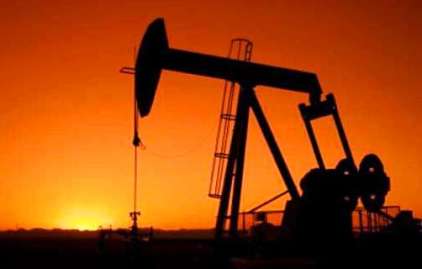
Oil Price Range: From Conflicts and Terrorism to Mass Tourism

Crude oil price per barrel reached 75 dollars for the first time after four years. The International Energy Agency (IEA) recently stressed that the Organization of the Petroleum Exporting Countries (OPEC) would soon announce that it had achieved one of their key goals, which, based on a five-year strategy, included a reduction in inventories. However, all of this happened when global oil demand increased to nearly 100 million barrels per day, but which are not proportionally provided with the level of supply, which causes the fear of additional price increases.

Of course, the level of supplies depends on Russia’s decision whether to follow OPEC and end the politics of cuts in deliveries that the global market denies from 1.5 million to 2 million barrels per day. On the other hand, US shale gas producers are no longer the key factor on the basis of whose actions prices fluctuate. From 2014 to the last week the price of crude oil was between $27 and $70 per barrel, which has stimulated a number of different industries.

Thanks to cheaper fuel, the airline industry and cruising companies experienced significant flourishing, which, thanks to reduced operating costs, represented the possibility to offer arrangements to an increasing number of passengers whose income ranks among the national average of the countries they live or even below. Flights and cruising were never cheaper and more accessible to those who, over a decade ago what they would reason what they could have to give up if they wanted to afford summer and winter holidays abroad.

The price of crude oil from 2010 to 2014 was above $100. During this time, the political situation in the Middle East countries as well as in the African countries has drastically worsened, along with the redirection of revenues from the sale of oil into pockets of oil tycoons, as well as weapons dealers, and for the financing of terrorist organizations instead of public goods.

Even in the welfare countries there was a resurgence of the population and the emergence of shortages that the current generation never experienced due to the fact that production in some of them has dropped drastically. Such a situation was very obvious in Morocco, which was in front of bankruptcy and therefore forced to use supplies from countries that helped them, thanks to which the financial crisis was sidestepped.

Over the course of the year 2014, oil prices had a downward trend for most of the time, and shorter periods of stability mainly included the price between about $50 per barrel. With a particularly difficult situation, Algeria, a country with 40 million inhabitants, faced a particularly difficult situation, which in large quantities does not produce anything other than oil for other markets, and where money from the sale of energy is necessary for the import of all other goods for the normal functioning of the economy. In order to maintain Algeria’s economy, it was necessary for the barrel price to be around $115, in an ideal world $120, in order to provide funds for imports. However, due to the decrease in oil prices in the global market in 2014 and 2015, purchasing power in that country has dropped significantly.

The downward trend in oil prices started in July 2014, when the barrel costed $115, to slide to around $30 in January 2016, and the situation in the exporting countries drastically worsened. Such a situation, in addition to panic in the global market, has caused and intensified the promotion of the use of energy from renewable sources, nevertheless new reasons for the concern of ecologists have appeared when, in all global projections from 2015 to 2017, it was highlighted that the energy produced that way can only partially reduce the necessity to use fossil fuels and increase CO2 emissions.

At the same time, none of the official reports published then indicated an increase in the number of pollution factors, although the level of pollution from CO2 is still above the anticipated level.

The theory of the emergence of fossil fuels has served many supporters of increasing production to refer to the claim that without existing pollution an animal population would change in the direction of a complete disorder of the food chain, dangerous to survival of the human beings, as the resources for the production of pharmaceutical products were the most vulnerable in that case, which would apparently further increase mortality rate of people faster than CO2 is currently triggering.

The concern for the survival of the resources necessary for the normal functioning of mankind was the most striking half a century ago when even many scientists claimed that the beginning of the 21st century would be ruinous for the mankind due to the anticipated phenomenon of mass hunger in the world caused by the belief that accelerated population growth would not be followed by an equal increase in dynamics food production.

What has happened, however, is that the population has been doubled since the 1970s, and that food production has been drastically improved so that there are no huge shortages. All this shows how much the assessment of the sustainability of certain resources has always been untouched, especially as regards the coal projection, which in fact has for three more millennia, as well as for oil and gas, whose production has doubled.

The industrial revolution has actually improved the quality of life, which can be directly linked to the increase in the use of fossil fuels and a drastic reduction in infant mortality, a reduction in hunger caused by shortages and a prolonged lifetime of the human beings.

The last decade has shown that the data about oil inventories are actually a far more important factor affecting the range of oil prices, since oil exporters, primarily the countries of the Arab world where it is a core business, can achieve economic growth exclusively when the barrel price is above 100 dollars, for all others, this price is extremely unfavorable, since all economic activities, from production of anything to the provision of services, require some type of transport, which is dominantly dependent on the price of oil.

While the high price of oil fits only exporting countries, especially those who count on other economic activities less, and only accumulate budgetary resources, such circumstances are detrimental to all other activities, as transport costs are increasing and making business more expensive. However, when the price of oil after a drastic fall on the transition from 2014 to 2015 was maintained for some time at a level that was sufficiently stimulating, primarily for industrial production, the stock exchanges were revived, and the owners of the capital were on the win again after a long time.

At that time, the price reduction could have forced Arab countries to make serious internal reforms through which, in order to secure a budgetary balance, funding for terrorist groups would be reduced. However, this did not come about through official strategy, but the changes became visible on a wider scale. Even if the statistics were taken into account, the number of attacks by militant groups at certain periods in which the producer countries would face the lack of money provided through the export would be shorter. Nevertheless, in such circumstances, taxes and other disbursements to the population would increase, which would become more dissatisfied, resulting in more and more frequent internal disorder. The problem of lack of funds was sought by the governments of these countries through an increase in the financial supply, which only encouraged inflation, and the purchasing power of the population seemed weaker.

In the period since the beginning of war in Iraq in 2003, until the conflict in the northeast of Africa in 2014, there was a pressure on the global supply chain, accompanied by foreseeable growth in capital and operating costs, and an additional challenge for manufacturers was research on the impact of oil wells on seismic activity. All these were the reasons why the world’s leading consumers were re-examining the possibilities to find alternative fuels for new fuel for industry and transport, since renewable energy sources are not yet exploited to the extent that they would satisfy even the minimal needs of a part of the market that try to concentrate on them. First of all, the construction of these power plants represents a relatively expensive investment in the moment when saving is avoided, although in the long run they bring benefits that, after less than ten years, result in earnings.

However, the problem is that the growing demand for energy products – now and immediately, as well as the fact that the world market for at least another two decades will depend on oil. While oil and gas prices continue to grow, exporting countries are the only ones benefiting from a change in prices that alleviate at times when production levels are in line with demand and when the key issue is to control production costs. Markets at that point depend on the manufacturer’s operational capacity – if, for example, part of the territory of the exporting country is blocked due to war, which is why it is forced to use ports at the other end of the country, increasing operating costs, regardless of other factors, affects the price increase.

The price of oil in the United States is conditioned by the amount of reserves, which are reduced in those periods of the year when seasonal fuel production is increased, but also due to shale production, which is becoming stronger and stronger. By concentrating on this type of production in the middle of this decade, price growth has been halted and temporary stabilization of the US economy has been made precisely because many American companies have seen a place for profit here. Not only have they increased their employment, especially in rural areas, but have influenced, on the principle of competitiveness, that fuel is being traded at lower prices.

The expectations were that by the beginning of the next decade, US oil imports could double in relation to the existing one. With regard to oil reserves, they are still concentrated on Iraq, Iran, Syria, Libya, Egypt and South Sudan – those countries with a very unstable political situation, which threatens the reduction of partial or complete spending cuts with each new geopolitical tensions and armed conflicts.

Only when no conflicts occur in order for OPEC member countries to provide budget sustainability oil must be exported at a price not lower than $80 per barrel, while any difficulty in exporting by blocking ports and inability to transport through the Suez Canal price of this fuel is rising sharply.

However, the IEA has long pointed out that, in order to recover from the global market, it is essential that the price of crude oil is calmed at no more than $100 per barrel, for a period of not less than a year, which, in view of the existing conflicts The Middle East is almost inconceivable.

With $75 per barrel of countries such as Russia and Saudi Arabia are on the rise, this price is still insufficient for the economic recovery of other OPEC members. In the rest of the world, the increase in fuel prices reduces the possibility of increasing wages and, consequently, personal consumption that further stimulates economic activity. Such a price ratio, however, makes US production of shale gas significantly more favorable. The Arab attempt to get the US competitors out of the game by lowering the price has actually returned to the OPEC countries as boomerang, as the US increased productivity, so the price of $40 per barrel was acceptable. Saudi Arabia, as the leading country in OPEC, has changed its approach after its financial reserves began to disperse.

However, the transition from $40 to $75 a barrel, although it implied a two-year period, went too fast to leave room for recovery, especially in European countries. In other words, economies need at least two years of functioning under certain conditions to see all the circumstances on the basis of which strategies for adapting to new prices would be created, but such a long stagnation was not nearly as early as this century.

Consequently, expansion in certain areas is to a much greater extent a reflection of a number of favorable circumstances than the actual results of the work of the entities that directly benefit from it. For example, focusing on tourism in any of the European, especially Mediterranean countries, shows that positive results are least conditioned by an internal approach.

A decrease in oil price, Middle East uprisings and better life standards of the middle class in Far east countries are three factors that have directed to a number of flights to a number of European airports, leading to a growing number of cruisers in the European ports of the European region. We should remember this, at the end of the year, when we will, as always, celebrate the results of a visit by as many more percent of tourists, especially American and Chinese, who would have a different attitude in case of dissimilar cyclical effects, when fuel would be expensive and when some destinations would not have status of risky ones, either negligible in relation to the one in these market circumstances.