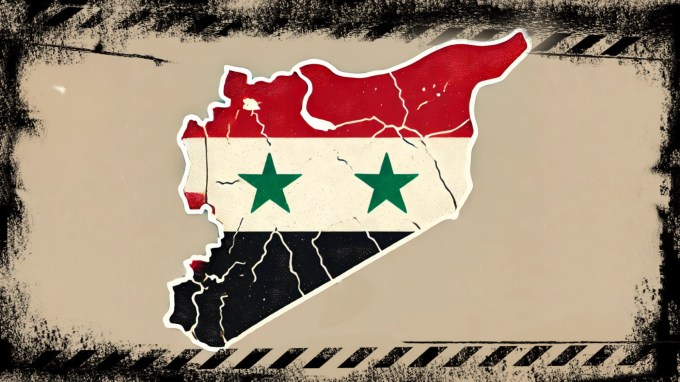
The Fall of the Assad Dynasty – A New Chapter in the Syrian Crisis

The civil war in Syria is one of the key crisis points of the 21st century, with complex interactions between local, regional, and global powers, each with its own agendas, alliances, and rivalries. For over a decade, the war has involved a broad range of state and non-state actors, from Assad’s regime to Kurdish forces, from Iran and Hezbollah to the United States and Russia. However, despite the blockade that marked most of the war, the sudden and unexpected change in Syria’s political landscape has raised numerous questions about the future of the region, as the rapid advancement of opposition forces in Syria marks a key turning point in the civil war.

The regime of Bashar al-Assad, once thought to be invincible, is beginning to show cracks. The complex political landscape of Syria has been largely altered by recent events, highlighting the fragile nature of Assad’s power.

A London student, who was more interested in new technologies than politics, was unexpectedly called to return to Syria to inherit his father, Hafez al-Assad, the “Lion of Damascus” (Assad means lion in Arabic), who came to power in a 1970 coup. After Hafez died in 2000, Bashar took power. However, the 50-year regime was toppled when rebels launched a stunning attack, seized Damascus, and forced Assad to flee, marking the fall of the long-standing Assad dynasty.

This “accidental president,” as Le Monde called him, was not groomed for leadership, as he was trained to be an ophthalmologist, and his older brother, Basel, was meant to be the successor. However, the tragic death of Basel in a car accident in 1994 pushed Bashar into political prominence. With little experience in governance, he quickly took leadership, relying on his father’s old allies to consolidate power and shape the country’s complex political landscape.

Influence of External Powers

Historically, Assad’s regime largely depended on strategic alliances with Russia and Iran, who invested heavily in its survival. The decline in external support for Assad, particularly from Russia and Iran, led to a sudden decrease in his authority, making his regime more vulnerable. Russia’s diminished military capacity due to the war in Ukraine, as well as Iran’s focus shifting to its conflict with Israel, have significantly weakened the pillars that once upheld Assad’s rule.

In essence, the collapse of the regime is not only a domestic phenomenon but also a result of the withdrawal of these foreign political factors. As CNN points out, the political vacuum created by reduced support for Assad is quickly being filled by forces that were previously marginalized, particularly Hayat Tahrir al-Sham (HTS), a group that began as a faction of al-Qaeda but later presented itself as a more sophisticated actor. With Turkey’s support, HTS has gained ground as an alternative to Assad’s regime, particularly among the diverse ethnic groups in the country that have long been divided.

One of the most significant developments in Syria’s changing landscape is the growing role of Turkey, which has long been involved in the conflict but is now emerging as a key player. Turkey’s involvement in relations with Syria can be traced back to its strategic concerns regarding the Kurdish population along its border. The Syrian Democratic Forces, which received support from the United States in the fight against ISIS, were seen by Turkey as a direct threat due to their links to the Kurdistan Workers’ Party. U.S. support for the Syrian Democratic Forces put Ankara in a delicate position, forced to balance its NATO membership with its own regional security interests.

Despite these tensions, Turkey has become a key player in shaping Syria’s post-Assad future. Turkey’s support for HTS, particularly in recent weeks, suggests that Ankara sees an opportunity to reshape Syria’s political dynamics to its advantage. CNN reports that Turkish President Recep Tayyip Erdoğan openly supported the opposition attack, signaling Ankara’s growing influence on the course of events. The swift military success of HTS, despite its controversial roots in al-Qaeda, marks a new period in Syria’s civil war, where foreign political actors, particularly Turkey, will play a decisive role in determining the country’s future direction. HTS’s apparent evolution from an extremist group to a more inclusive political force, though still unclear, offers Ankara a potential ally in its efforts to secure its borders and influence Syria’s future governance.

Turkey’s growing influence also reflects broader changes in the geopolitical landscape of the Middle East, as its proactive engagement in Syria can be seen as part of its ambition to expand regional influence, especially in the context of diminished Russian and Iranian power. Turkey’s increasing alignment with certain factions in Syria is not only a matter of immediate military interests but also an attempt to establish a long-term strategic presence in the region, where Turkey can exert significant influence over its neighbors and challenge other regional powers.

Shifting Power Balance

The weakening of Assad’s regime coincides with a broader regional trend — the decline of Russian and Iranian influence in the Middle East. Russian military interventions in Syria were a key feature of the conflict, providing Assad with essential air support and diplomatic protection. However, Russia’s involvement in the war in Ukraine has drastically drained its resources, both in terms of military capacity and political focus. Russia’s inability to effectively assist Assad in this new phase of the war was underscored by the comments of Russian Foreign Minister Sergey Lavrov, who acknowledged that Syria’s future is uncertain and beyond Moscow’s immediate control.

Similarly, Iran’s influence has been weakened by its ongoing conflict with Israel, leading to more visible Iranian military activities in the region. The Washington Post evaluates that Iran’s support for Assad has waned, as the Islamic Republic has been overstretched in trying to balance its proxy war policy against Israel and broader regional ambitions. Iran’s inability to create the same level of influence in Syria, along with the shift in global alliances and reduced benefits from its involvement in Syria, suggests that Tehran’s once-dominant role is now facing significant limitations.

This decline in the power of Russia and Iran has created a vacuum in Syria, allowing Turkey to take the initiative. With Russia focused on Ukraine and Iran facing numerous regional challenges, the geopolitical center of gravity in Syria has shifted, and Ankara is seizing the opportunity. The withdrawal of these once-dominant powers from Syria, whether due to overstretching or changing priorities, has significantly disrupted the regional balance of power.

With the sudden erosion of Assad’s regime and the rapid rise of opposition forces like HTS, Syria finds itself at a crossroads, and the country’s future remains highly uncertain, with the possibility of fragmentation still present. Le Monde highlights that Syria’s complex ethnic and sectarian structure makes any attempt at reconciliation or stabilization even more difficult. The rise of HTS, despite its messages of inclusivity, has raised concerns about the potential for greater fragmentation as ethnic groups fight for control of key territories. These divisions, which have existed throughout Syria’s history, are now exacerbated by interventions from foreign powers, each with opposing interests.

The possibility of reaching a resolution through negotiations seems increasingly distant, especially with the weakening of Assad’s regime and the emergence of rival factions vying for control. The West’s failure to act decisively during earlier stages of the conflict may have helped create conditions that allowed extremist groups to flourish, leading to the complex and chaotic situation that now threatens to engulf the entire region.

Syria’s future will depend on how foreign political powers adjust their strategies in response to these changes, and whether Syria moves toward a more stable political order or further fragmentation will ultimately depend on the ability of regional and global actors to reconcile changes in alliances, which continues to delay the end of the Syrian crisis.

A Montenegrin version of this article is available on the Antena M portal.
Israel-Hamas War One Year Later – Humanitarian Crisis and Regional Instability

The year marks the aftermath of a sudden yet carefully planned bloody attack by the militant Hamas movement in southern Israel, and the events that followed have fundamentally changed the geopolitical and humanitarian landscape of the Middle East. What began as a terrorist attack by Hamas escalated into a prolonged, multi-front conflict, with devastating consequences not only for Israelis and Palestinians but also for regional stability and international law.

The war started with horrific violence that resonated around the world. At 7:43 AM local time on October 7, 2023, Hamas launched a massive and coordinated attack on Israel, catching the Israel Defense Forces (IDF) off guard and inflicting significant casualties on both civilians and soldiers. Israeli settlements and military bases in the south were attacked, leading to a profound sense of vulnerability in a country that had long prided itself on its military strength. The Washington Post describes this attack as a moment that “turned the Middle East upside down,” marking a point where Israeli military power appeared weakened, and Hamas’s audacity shocked the world.

Israel’s response was swift and devastating. The IDF launched airstrikes and began a ground invasion of Gaza, aiming to dismantle Hamas’s infrastructure and leadership. By October 2024, Hamas’s military power was severely diminished, with many of its fighters killed or hidden in underground tunnels. Iran openly supported the attacks and expressed solidarity with Hamas, while Hezbollah, another key Iranian ally, also suffered significant losses, including the assassination of its leader Hassan Nasrallah by Israeli forces.

Attacks on leaders in both Hezbollah and Hamas led to a temporary shift in the balance of power in the region, with Israel regaining some of its lost defense capabilities and becoming emboldened to expand its military operations into Lebanon.

However, while Israel may have achieved tactical victories, the strategic picture remained more uncertain than before. The conflict, instead of consolidating Israeli security, increased the risk of a wider regional war. According to an analysis published by The Atlantic Council, daily skirmishes along the Israeli-Lebanese border, rocket attacks carried out by Iranian allies the Houthis in Yemen, and previously unseen launches of over 500 Iranian rockets brought the region closer to a direct confrontation between Israel and Iran.

Humanitarian Crisis in Gaza

Despite Israel revitalizing part of its military status, the human cost of its campaign has become alarming and disheartening. Gaza has borne the brunt of the conflict, with the number of Palestinian casualties reaching 41,000, according to data published in the scientific journal Nature. The United Nations estimates that nearly 90 percent of Gaza’s population has been displaced, indicating the catastrophic toll the war has taken on civilians, especially children.

The humanitarian crisis in Gaza has been further exacerbated by the destruction of infrastructure, from homes to hospitals, leaving millions without adequate shelter, food, or medical care, leading to the spread of disease, while the already fragile healthcare system collapsed under the weight of thousands of casualties. The blockade, which Israel tightened as the war progressed, further worsened conditions, resulting in severe food shortages and the spread of waterborne diseases.

While Hamas bears responsibility for the outbreak of the war with its initial attack, Israel’s military response has been widely condemned for its disproportionate impact on civilians. The scale of destruction and loss of life has led to accusations of war crimes from international human rights organizations, including the United Nations and the International Criminal Court (ICC). The Atlantic Council emphasizes that both Israeli and Hamas leaders are under investigation by the ICC, which seeks to hold them accountable for the devastation caused during the conflict.

Collapse of International Norms

In addition to the immediate humanitarian and military dimensions of the war, the conflict seriously undermined the liberal international order established after World War II. The British Guardian notes that how the war has been conducted, particularly due to support from the United States, has “permanently undermined the idea that all states would be equally accountable under international law.”

This criticism is based on the apparent double standards exhibited by the U.S. and its Western allies, who have vigorously defended Israeli actions despite widespread accusations of war crimes, thus eroding trust in international institutions and norms, especially among nations of the Global South. The war has thus become a focal point for the growing rift between the Global North and South, with the latter increasingly questioning the legitimacy of the U.S.-led international order.

Unconditional support for Israeli actions, as assessed by the Guardian, has deepened doubts that international law applies only to the Global South, while Western powers, particularly the U.S. and its allies, remain beyond the reach of criticism, pushing countries in the Global South to seek alternatives to the U.S.-dominant system. This shift is predicted to accelerate the decline of U.S. global influence, with warnings of an “epidemic of impunity worldwide” if the country does not change course.

Diplomatic efforts to quell the war have so far been largely unsuccessful. Despite numerous mediation attempts by the U.S., Egypt, and Qatar, ceasefires have been short-lived, and peace talks have made little progress. Partly, this is due to the maximalist goals of Israeli Prime Minister Benjamin Netanyahu and Hamas leader Yahya Sinwar, whose intransigence has perpetuated the cycle of violence. Both sides are driven by existential fears and political survival, making compromise extremely difficult.

Cracks Within Israeli Society

In addition to military and geopolitical changes, the war has deeply scarred Israeli society. A nation already divided over controversial Netanyahu’s judicial reforms now faces the social and political consequences of an increasingly nationalist and militaristic ethos. The war has exacerbated long-standing divisions within Israeli society, and although Israel has never fully realized its self-perception as an egalitarian democracy, the past 12 months have essentially conditioned the collapse of this ideal.

The erosion of democratic norms is most evident in the way Israeli authorities treat Arab citizens, who have faced persecution on an unprecedented scale during the war. Protests against the campaign in Gaza have been heavily suppressed, and Arab citizens have largely been excluded from the public discourse, further alienating the Arab population and deepening the already profound rift between Jewish and Arab communities in Israel. The leaders of the country now appeal to the “people of Israel,” referring exclusively to Jews rather than “citizens of Israel,” which once encompassed the entire diverse population of the country.

This rise in nationalist fervor has also led to growing tolerance for violence within Israeli society. Netanyahu’s government, prioritizing military objectives over humanitarian issues, has normalized a brutal form of governance that cares little for international law or democratic values, which could have long-term consequences for the Israeli political landscape, even after the current conflict ends. The legacy of the war will be a more deeply divided society, in which the rule of law and democratic principles will be subordinated to security and survival imperatives.

Palestinian Struggle

On the Palestinian side, the war has only deepened the despair and divisions that have plagued them for decades. Hamas, while militarily weakened, remains a powerful force in Gaza, and its leaders show little willingness for compromise. Sinwar has made it clear that the group seeks not only survival but also to retain control over Gaza and position itself as the dominant actor in Palestinian politics after the war, a goal that complicates prospects for lasting peace, as it is unlikely that its demands, including a permanent ceasefire and humanitarian aid, will be met without significant concessions from Israel—those that Netanyahu is unwilling to make.

The broader Palestinian movement is also divided, as while Hamas enjoys significant support in Gaza, the West Bank remains under the control of the Palestinian Authority, which has been marginalized during the conflict. This division weakens Palestinians’ ability to present a united front in negotiations with Israel and the international community. Moreover, the destruction of infrastructure in Gaza and the displacement of millions of its residents means that any post-war reconstruction will be a colossal task, requiring not only international aid but also a political solution addressing the underlying issues of occupation and self-determination.

Escalation of Conflict in Lebanon

Conflicts spread to Lebanon in September of this year, following the assassination of Nasrallah, who died in an Israeli airstrike. His death led to a sharp increase in Hezbollah’s rocket attacks on northern Israel, prompting Israel to launch extensive bombardments of southern Lebanon and initiate a broad ground invasion aimed at dismantling Hezbollah’s military infrastructure. The conflict soon escalated into a wider regional crisis when Iran, Hezbollah’s main patron, retaliated by firing nearly ballistic missiles at Israel, while other Iranian allies, including the Houthis in Yemen, joined the conflict, intensifying violence and deepening regional instability.

Lebanon has faced catastrophic consequences due to the ongoing conflict between Israel and Hezbollah, with at least 1,000 Lebanese civilians killed and more than 6,000 injured, according to a Washington Post report. The violence has also displaced over a million people, triggering a humanitarian crisis in a country that has been struggling with serious economic problems for years. Israeli airstrikes, aimed at destroying Hezbollah’s military capacities, have inflicted significant damage on Lebanese infrastructure, worsening living conditions for civilians.

A year after the start of the war in Gaza, the Middle East region is not only no closer to peace than it was on October 7, 2023, but the fear of the conflict spreading is even more pronounced. In all of this, the immediate military objectives of both Israel and Hamas remain unfulfilled, while the death toll continues to rise.

A Montenegrin version of this article is available on the Antena M portal.

Oil Market Stability and Geopolitical Risks in the Strait of Hormuz

The escalation of conflict in the Middle East once again raises the question—amid expectations of supply chain disruptions due to the complex geopolitical relationships in this oil-rich region—of how the current events will impact oil prices, financial markets, inflation, and global economic stability.

As Israeli forces have intensified their military presence in Lebanon, and Iranian missile attacks targeted Israel, oil prices surged by around four percent, reaching nearly $75 per barrel. This market reaction highlights investors’ sensitivity to geopolitical events in a region critical to global energy supply. However, despite the recent tensions, financial markets have shown surprising resilience, as the MSCI Global Equity Index has slipped by only one percent below its record highs, reflecting a relative calm among investors.

Resilience Despite Tensions

There are several reasons for this unexpected stability, primarily due to the prevailing belief that diplomatic channels could help de-escalate the current conflicts. There is cautious optimism that the recent surge in violence could be reduced, especially considering the high stakes involved in the conflict. Moreover, oil prices had already been on a downward trend, falling more than 10% prior to the recent attacks, which softened the impact of the price increase after the attacks occurred.

Additionally, the VIX volatility index, often referred to as the “fear index” on Wall Street, remained moderate at 18.7 at the time of writing, just surpassing 20 on Thursday, significantly lower than the post-pandemic peak above 60 during previous market turmoil. This stability in the VIX suggests that investors, for now, are adopting a cautious approach to the situation in the Middle East.

At the heart of any discussion about oil supply and Middle Eastern geopolitics is the Strait of Hormuz, a narrow waterway through which about 20 million barrels of oil pass daily, accounting for nearly 30% of the world’s seaborne oil trade. This critical point connects oil-rich Gulf states like Saudi Arabia, Iraq, and the UAE with global markets. A significant portion of the oil transported through the strait is destined for Asian markets, particularly China, India, and Japan, which are among the largest consumers of Middle Eastern oil.

Given its strategic significance, the Strait of Hormuz remains vulnerable to disruptions caused by geopolitical tensions. If Iran were to take aggressive actions disrupting maritime traffic in the area—such as threatening to close the strait or targeting oil tankers—the consequences could be severe. According to the International Energy Agency (IEA), any major disruption to oil flows through the strait could lead to significant increases in oil prices, with recent forecasts suggesting that a barrel could cost up to $100 or more in the event of a prolonged crisis.

Potential Israeli strikes on Iranian oil infrastructure, as noted by the New York Times, raise further questions about the implications of such actions on regional stability. There are concerns that Iranian retaliatory actions could deepen the crisis, leading to a broader conflict that further jeopardizes global oil supplies. Such a scenario would not only impact oil prices but also other trade routes critical to the health of the global economy.

The U.S. and Rising Oil Production

One of the most significant developments in this area since the beginning of the century has been the positioning of the United States as a dominant player in global oil production. According to EIA data, the U.S. has consistently maintained its status as the world’s largest oil producer, holding this position for over six years. This evolution in production capacity has significantly changed the global energy market landscape and reduced dependence on Middle Eastern oil.

The U.S. has bolstered its crude oil reserves, reaching historically high levels, providing a key buffer against the negative effects of potential oil supply disruptions due to geopolitical tensions in the Middle East. Moreover, the U.S.’s growing ability to produce shale oil has made the country less vulnerable to price fluctuations caused by Middle Eastern conflicts. For example, in October 2023, U.S. crude oil production averaged around 12.9 million barrels per day, significantly contributing to global supply and offering reassurance to investors concerned about disruptions in Middle Eastern oil supply.

According to the IEA, OPEC+ members—which include oil-exporting countries and their allies, including key players like Saudi Arabia and Russia—can adjust their production levels to stabilize the market. This means that even if Iran’s oil exports were reduced due to the conflict, other producers could increase their output to fill the gap. While Iran’s production is significant, averaging around three million barrels per day, the IEA emphasizes that this represents only about three percent of global supply, making it easier for other producers to offset potential losses.

Iran’s Role and Potential Consequences

Although current market reactions to geopolitical tensions have garnered attention, it is essential to place these developments in a broader economic context and consider the possible consequences for global economic growth and inflation. Oxford Economics estimates that if oil prices were to rise to $130 per barrel due to an escalation of the conflict, global production growth could decrease by as much as 0.4 percentage points, which is a cause for concern given the International Monetary Fund’s recent forecast that global economic growth is expected to be 3.3 percent next year.

The potential for rising oil prices is particularly pronounced in regions with limited domestic oil production, such as Europe. Unlike the U.S., European countries remain highly dependent on oil imports, making them vulnerable to any sharp increase in prices triggered by conflicts in the Middle East. Europe’s energy markets, as noted by the New York Times, face unique challenges due to their dependence on imported oil and gas, especially in light of the ongoing conflict in Ukraine, which has further complicated energy security in the region.

Decision-makers in the most developed countries of the European Union are aware that even a moderate increase in oil prices, estimated at around 10%, could lead to higher inflation rates. Central banks may find themselves in a challenging position, as rising energy costs could undermine their efforts to stabilize prices and promote economic growth. The Bank of England has signaled its commitment to closely monitoring inflation trends, stating in its latest report that a sustained increase in prices could lead to more aggressive interest rate cuts in an attempt to alleviate inflationary pressures.

The role of central banks in navigating the complexities of geopolitical tensions and oil price fluctuations is crucial. Recent statements from various central bank officials emphasize the need to consider both immediate shocks and long-term economic trends. For instance, Bank of England Governor Andrew Bailey recently noted that, while the ongoing conflict in the Middle East poses risks to economic stability, it does not currently necessitate drastic changes in monetary policy.

Today’s economic landscape is significantly different from that seen during Russia’s invasion of Ukraine in 2022, when central banks were forced to tighten monetary policy aggressively in response to soaring inflation. In contrast, many central banks are now in a loosening phase, creating an environment conducive to economic growth. As a result, there is growing optimism that the U.S. economy might avoid a recession, which, coupled with declining inflation, provides an additional buffer against the impact of Middle Eastern developments.

Balancing Inflation and Stability

It is also important to consider the phase of the economic cycle. According to Royal London Asset Management, the global economy is currently in a “softer phase,” making it less susceptible to shocks caused by rising oil prices. This contrasts with previous crises when inflation was already climbing, allowing for greater flexibility in monetary policy responses.

Geopolitical dynamics play a key role in shaping market sentiment and investor behavior. As tensions rise, risk perception can significantly influence market movements. As mentioned earlier, the VIX index serves as a measure of market fear and uncertainty. Its rise typically signals increased market volatility and concerns over potential losses, while a lower VIX indicates investor confidence.

At this stage, however, the VIX remains at moderate levels, reflecting a relatively calm market environment despite geopolitical tensions. This stability can be attributed to the underlying strength of the U.S. economy and the ability of other oil-producing countries to adjust their output in response to market dynamics. Nevertheless, market participants remain vigilant, carefully monitoring developments in the Middle East and any signs of escalation that could affect supply chains.

If there were a sharper increase in oil prices than what has been observed this week, it could directly lead to higher costs for businesses and consumers worldwide, potentially triggering inflationary pressures that could influence central bank decisions. Therefore, developments in the Middle East present significant challenges for global oil markets and the broader economy. Although rising oil prices are a cause for concern, current market dynamics and structural changes in oil production offer some degree of resilience against potential shocks. However, while Iran’s oil production accounts for only 3% of global supply, transport through the Strait of Hormuz remains a crucial determining factor in the global supply chain.

A Montenegrin version of this article is available on the Antena M portal.
Iranian Attacks on Israel Challenge U.S. Role in the Middle East

Yesterday’s rocket attacks by Iran on Israel pose a threat not only to Israel’s security but also to American policy in the region, which is facing challenges such as the rise of Iranian nuclear ambitions and uncertainties regarding regional alliances. The Middle East is once again a hotspot of conflict following yesterday’s Iranian rocket attacks on Israel, which threaten to provoke a full-scale regional conflict. While Israeli and American air defenses intercept these attacks, the rest of the world watches the situation with great concern, not overlooking the fact that the balance between deterrence and escalation is becoming increasingly unstable. What once seemed like a distant scenario – a direct military conflict between Iran and Israel – is now becoming a reality.

The recent rocket attacks on Israel are just part of a broader mosaic. In a recent analysis by the New York Times, it was assessed that Iranian nuclear ambitions are no longer a hypothetical threat. Secretary of State Antony Blinken recently warned that Iran is one step away from producing enough uranium for a nuclear bomb. The proximity of the Iranian regime to nuclear capability, combined with its willingness to carry out direct rocket attacks, places the entire Middle Eastern region on high alert. The Iranian regime has shown a readiness to cross boundaries, and as it gets closer to the status of a nuclear power, the stakes for Israel, and indirectly for the United States, have never been higher.

This development represents a decisive moment for U.S. President Joe Biden and his administration. Long-standing U.S. policy to curb the Iranian nuclear program through diplomacy and covert sabotage has failed to prevent Tehran from approaching the nuclear threshold. For decades, Israel has tried to slow Iranian nuclear ambitions through secret actions – assassinations, sabotage, and cyberattacks – but these efforts have always aimed at buying time rather than permanently neutralizing the threat. Today, Israel has fewer options at its disposal, and the Biden administration must confront the uncomfortable reality – that diplomatic engagement is insufficient to deter Iranian aggression.

To understand the seriousness of the current crisis, one must also consider the broader geopolitical dynamics. Iran does not act in isolation. Its partnerships with Russia, China, and North Korea provide it with strategic protection, encouraging Tehran to act more aggressively. According to the New York Times, such alliances result not only in the Iranian attacks on Israel but also in challenges to the liberal international order led by the U.S. Tehran sends a clear message that it is ready to target American allies and test U.S. resolve in the region.

However, the Biden administration’s response so far has been restrained. The hesitation to confront Iran more aggressively reflects a more complex American fatigue with conflicts in the Middle East, particularly after the disastrous withdrawal from Afghanistan. The U.S. administration, cautious not to be drawn into another protracted war, has instead opted for diplomatic gestures and cautious rhetoric. Yet, as Iran continues to act, the question arises whether such an approach is sustainable.

As CBS News reported, U.S. missile defense strategies, rooted in Cold War thinking, have proven inadequate in addressing the complexities of modern missile threats. Billions spent on missile defense have failed to produce a system that reliably counters these threats, whether from North Korea or Iran, leaving the U.S. and its allies in a precarious position – while missile defenses save lives in the short term, they do not offer a long-term solution to the broader strategic problem posed by Iran’s growing missile and nuclear capabilities.

Moreover, the assumption that missile defense alone can ensure security is a dangerous fallacy. Even if technology advances, missile defense systems are fundamentally reactive, contributing little to preventing aggression or neutralizing the root causes of conflict. As CBS News emphasizes, the U.S. has focused on hypothetical missile threats, such as those from North Korea, while ignoring the actual, present danger posed by Iran’s increasingly sophisticated arsenal. The technical challenges of intercepting missiles are enormous, and any system, even if reliable, could easily be overwhelmed by a barrage of missiles.

The consequences of these technological and political failures are severe. The latest Iranian rocket attacks on Israel are not isolated incidents – they are part of a broader strategy of regional destabilization, which includes the use of proxy forces such as Hezbollah and the Houthis. Iran’s support for Hezbollah, which has fired thousands of projectiles at Israel in solidarity with Hamas, illustrates how the conflicts in Gaza and Lebanon are connected to the larger Iranian-Israeli struggle. Israel, already burdened by fighting on multiple fronts, cannot afford to be constrained by American calls for restraint.

However, as Israel prepares for an escalation of military response, it faces a paradox. Biden’s administration’s calls for restraint may reflect a desire to avoid deeper involvement in the conflict, but Washington’s unwavering commitment to Israel’s security ensures that any action by Israel, whether aggressive or not, will ultimately receive U.S. support. As the New York Times notes, the Israeli missile defense system, previously criticized, has proven its worth by saving lives, yet even the most sophisticated defensive technology cannot resolve the fundamental problem – Iran’s pursuit of regional dominance and nuclear weapon capability.

In this context, it is clear that Israel is unlikely to heed American calls for restraint for long. The Israeli government and Benjamin Netanyahu, encouraged by recent successes against Hezbollah and Hamas, may decide that now is the time for a stronger blow against Iran, hoping to deliver a decisive strike against its military infrastructure and nuclear program. While the Biden administration would prefer to avoid direct military involvement, it may face pressure to support Israel in any confrontation with Iran.

This situation poses a dilemma for Biden. Allowing Iran to operate with impunity, whether through support for proxies or advancing its nuclear program, could embolden Tehran and undermine U.S. influence in the region. Moreover, the convergence of these events, along with the campaign for the American presidential election, adds a political dimension to the crisis. As Donald Trump positions himself as a candidate who claims he can restore global stability, Biden must not allow his administration to appear weak or indecisive on national security.

The Biden administration must decide whether to continue with a cautious approach or take a firmer stance against Iran. The consequences of either decision are profound. Escalating the conflict would risk drawing the U.S. into another conflict in the Middle East, while inaction could allow Iran to become a nuclear-armed state. This is a dangerous balancing act for the U.S. as the future of American leadership in the region is now at stake.

The current approach of the Biden administration to the escalating conflict between Israel and Iran is unsustainable. Iranian aggression and nuclear ambitions require a more decisive response, both from Israel and the U.S. While missile defense systems have provided temporary security, they are not a long-term solution. The U.S. must reassess its strategy, acknowledging that failure to act decisively now may lead to even greater conflict soon. The stakes are high, and the eyes of the world are on their next move.

A Montenegrin version of this article is available on the Antena M portal.