Factors Behind the Market Collapse

The world is facing complex economic challenges that require a careful balance between controlling inflation and supporting economic growth. Consumers are making sacrifices due to inflation, technology giants are under pressure, and global markets are unstable. As policymakers seek solutions, investors and the public will need to monitor developments to adapt to the new economic reality.

Global stock markets have recently been on the edge of chaos, chronologically coinciding with the release of a disappointing employment report in the United States. This has exaggerated the cause-and-effect relationship, with reactions to the report data being viewed as the sole factor in the new situation, sparking speculation that the Federal Reserve might lower interest rates. However, a deeper analysis reveals a more complex picture – key causes of the decline are linked to specific investment tactics and global economic changes, particularly in the technology sector, rather than a single isolated report.

Investor reactions to employment reports often seem exaggerated, highlighting that the stock market does not always reflect the real economic picture. Current employment reports appear to be just one of many variations. The market often signals a recession that does not materialize, as evidenced by numerous previous recession predictions that did not come to fruition.

One of the main factors is the phenomenon known as “carry trade” – a strategy where investors borrow money in a currency with a low interest rate and invest in assets denominated in a currency with a higher interest rate, allowing for greater returns due to the interest rate difference.

In carry trading, investors borrow money in a currency from a country with low interest rates, such as Japan, which traditionally has very low or even negative interest rates. The borrowed money is then converted into a currency from a country with higher interest rates, such as the US dollar, and invested in financial instruments or assets that earn interest in that currency. Investors earn on the difference between the interest rate on the borrowed money and the interest rate on the investment. For example, if the interest rate in Japan is 0% and in the US it is 5%, the investor can earn a 5% return minus transaction costs and potential currency risk.

Currency risk is a major risk in this strategy because if the currency of the country with a high interest rate depreciates relative to the currency of the country with a low interest rate, profits may be reduced or the investment result may be negative.

Regarding the current market situation, everything functioned well until there was a change in Japanese monetary policy. The Bank of Japan increased its benchmark interest rate in March for the first time in 17 years and announced another increase at the end of July, signaling the end of the era of ultra-low interest rates in the Land of the Rising Sun, making carry trades less attractive. The yen strengthened against the dollar, reducing the profitability of this trading strategy, and as investors pulled back, markets reacted with declines.

This raises questions about what to expect in the field of monetary policy, particularly concerning the US. The Federal Open Market Committee (FOMC) now has several options—they could opt for an immediate reduction in interest rates, similar to what they did in March 2020 due to the pandemic, or they could wait until the regular September meeting and decide on a larger cut than the initially announced 25 basis points.

What the wider public often does when interpreting sudden shifts in the stock market is to place such phenomena in a political context rather than a detailed market analysis, especially when it comes to the technology sector.

American technology giants such as Apple, Microsoft, Alphabet, Meta, Tesla, Amazon, and NVIDIA have an increasing influence on market trends compared to other factors due to their share of returns in stock market indices. The fact that market performance is not tied to political events is a good sign for the health of the market economy. For instance, technology sector companies, many of which were not favored by Donald Trump during his presidency, recorded excellent business results during that time. We can observe a similar trend now with Joe Biden, who is not particularly favorable towards oil companies, yet these companies are performing well. In other words, investors can achieve profits regardless of the president’s political preferences.

However, what has definitely impacted the markets is how businesses across various sectors have experienced the trend of adopting artificial intelligence solutions, as concerns about overestimated demand for specialized chips and servers have also burdened sentiment. Consequently, NVIDIA, which briefly became the most valuable company in the world this year, lost more than 25% of its value from its record high in June.

Despite the sharp decline, markets are recovering. Asian markets have already regained a significant portion of the lost ground, and US futures have also significantly risen after the earlier week’s decline. Although a recession is inevitable at some point, it is not expected to be triggered by recent stock market events.

Although recent events, including the employment report and changes in Japanese monetary policy, have caused significant turbulence in the capital markets, it is important to understand that these shifts are part of a broader picture and that markets have reacted to a range of factors, from specific investment strategies like carry trade to global economic changes and technological innovations. Regarding the Fed, the most likely option is to maintain the status quo in interest rate policy to avoid additional turbulence.

While short-term volatility is inevitable, the fundamental values of the market economy continue to provide a stable foundation for growth and development, and adapting to new conditions and understanding the complexities of current challenges are crucial for navigating this dynamic economic period.

When placing all this in the context of the financial picture in Montenegro, or any small country that is not immediately affected by the crisis, there is no need to fear a repeat of scenarios similar to those seen in 2008. Global markets continuously go through different phases, but unlike the great crisis of the first decade of this century, we have a significantly different situation.

Caution and active monitoring of market movements are certainly necessary, but the key parameter that becomes relevant for Montenegro, prompted by these developments, is the potential changes in interest rate policy and the costs of future credit arrangements that are expected.
It Felt as if the Earth Had Stopped Spinning 2

When all Google services went down in December last year, a wave of concern about the fate of the internet world engulfed the planet. Earthlings were mixed with feelings of panic and fear, but the conviction that nothing would ever be the same lasted only until Google resumed functioning, reassuring that nothing could actually be different.

The recent outage of Facebook and its services has opened up space for interpretations of mystery, speculation, publicly expressed desires for the alleged hated network to cease to exist, and secret apprehensions that it might actually happen.

The largest social network, in this expected kind of dependence on the use of its services, builds its influence. Facebook is not a company where an obsession with a positive user experience prevails to the extent that it will cater to users by adapting to their habits in the way that those who directly charge end consumers for what they deliver do.

On the contrary, this giant creates habits to such an extent that the user of its influence is unaware and does not spend resources convincing anyone of the inaccuracy of the assessment that it is the “worst network” as long as you use it. The fact that it has reached a significant place in the lives of most internet users makes even this six-hour downtime for Facebook almost negligible, like the number of those who, disappointed with such a user experience, have decided not to use it anymore.

Facebook is not a local café where no one will stop by anymore because once they received terrible service and experienced an outcome they didn’t expect, so any forecast that this negatively affects its image goes against common sense.

Much more, the image has been tarnished for all those who have built their own business model on the dependence on Facebook – companies for whom it is one of the primary promotion channels because their fate is tied to a service whose disappearance erases them from the customers’ radar.

We know only as much about what happened as the company has stated, and it is quite possible that it will remain so almost forever. It is also very possible that the company has been the most open about its problem precisely because it does not want to leave additional room for doubt. Allegedly, there was a change in the configuration of routers. These are specialized computers that route traffic to websites, and allegedly there was a problem, either a mistake by company engineers or a software glitch.

In a vast system where absolutely everything is automated, an error in action in one place jeopardizes the entire network and could not have been isolated. Why doesn’t Facebook try to explain this to us in more detail? Precisely because it knows that we will not change our relationship with it due to mere dependence on its platform – whether personal or professional, it doesn’t matter.

In the penultimate paragraph of the article that earned today’s number two in the title, Google’s one-hour shutdown was called the largest and longest, but it was mentioned that similar outages can be expected in the future.

Facebook’s image has formally been tarnished by scandals and affairs – unauthorized use of personal data by Cambridge Analytica, numerous legal disputes, both with other tech giants and with national governments, the European Commission, public figures, etc., as well as the freshest example of a former manager, now in the role of a whistleblower. However, fundamentally, nothing has influenced, for example, small companies for whom this social network provides the simplest and cheapest communication channel, to massively leave the platform.

That’s why Facebook, its policies, its own rules, while simultaneously disregarding those rules imposed by other systems, can concern us to the extent that they touch on issues of privacy rights and everything that is the subject of an endless series of disputes constantly brought against it, but what concerns us the most are business models based on this social network being an irreplaceable sales channel.

Kao da je Zemlja prestala da se okreće 2

Kada je u decembru prošle godine došlo do prekida rada svih servisa koje pruža Google talas zabrinutosti za sudbinu internet svijeta zapljusnuo je planetu. Zemljanima se miješao osjećaj panike i straha, no uvjerenje da više ništa neće biti isto potrajalo je tek do trenutka u kojem je Google ponovo profunkcionisao, uvjeravajući da zapravo ništa ne može biti drugačije.

Najnoviji prekid rada Facebooka i njegovih servisa otvorio je prostor tumačenjima misterioznog, nagađanjima, javno istaknutoj želji da ta navodno omražena mreža prestane da postoji i potajnom pribojavanju da će se to zaista desiti. 

Najveća društvena mreža na toj očekivanoj vrsti zavisnosti od upotrebe njenih servisa gradi svoj uticaj. Facebook nije kompanija u kojoj vlada opsjednutost željom za pozitivnim korisničkim iskustvom u toj mjeri da će se dodvoravati korisnicima prilagođavanjem njihovim navikama na način na koji to rade sve one koje direktno naplaćuju od krajnjih kupaca ono što plasiraju. 

Sasvim suprotno, ovaj gigant je taj koji stvara navike u mjeri u kojoj korisnik njegovog uticaja nije svjestan i ne troši resurse na to da bilo koga ubjeđuje u netačnost ocjene da je „najgora mreža“ dok god ga koristite. Činjenica da je dostigao značajno mjesto u životima većine korisnika interneta čak i ovaj šestosatni prekid rada za Facebook je gotovo zanemariv, poput broja onih koji su razočarani ovakvim korisničkim iskustvom odlučili da ga više ne koriste.

Facebook nije lokalni kafić u koji više niko neće svratiti zato što su jednom na tom mjestu dobili očajnu uslugu i doživjeli iskustvo kakvom se nijesu nadali, pa se svaka prognoza da ovo negativno utiče na njegov imidž kosi sa zdravim razumom. 

 Ovaj gigant je taj koji stvara navike u mjeri u kojoj korisnik njegovog uticaja nije svjestan 

Mnogo više je ovim narušen imidž svima onima koji su sopstveni poslovni model zasnovali na zavisnosti od Facebooka – kompanijama kojima je to jedan od osnovnih kanala promocije, jer su svoju sudbinu vezali za servis čiji nestanak ih briše sa radara kupaca. 

O onome što se dogodilo znamo tek onoliko koliko je kompanija saopštila i vrlo je moguće da će tako ostati gotovo zauvijek. Vrlo je moguće i da je kompanija najotvorenije govorila o svom problemu, upravo jer ne želi da ostavlja dodatni prostor za sumnju. Navodno je napravljena promjena u konfiguraciji rutera. Riječ je o specijalizovanim računarima koji usmjeravaju saobraćaj do veb lokacija i navodno je tu postojao problem, greška kompanijskih inžinjera ili softverska greška. 

U ogromnom sistemu u kojem je apsolutno sve automatizovano greška u radnji na jednom mjestu ugrožava cijelu mrežu i nije mogla biti izolovana. Zašto se Facebook ne trudi da nam to detaljnije objasni? Upravo zato što zna da naš odnos prema njemu nećemo promijeniti zbog puke zavisnosti od njegove platforme – lične ili profesionalne, svejedno.

U pretposljednjem pasusu članka zbog kojeg je današnji u naslovu označen brojem dva Googleovo jednosatno isključivanje nazvano je najvećim i najdužim, ali je pomenuto da slične prekide možemo očekivati i ubuduće.

Facebookov imidž formalno jesu uspjele da naruše afere i skandali – neovlašćeno korišćenje ličnih podataka kompanije Kembridž analitika, brojni sudski sporovi, kako sa drugim tehnološkim gigantima, tako i sa nacionalnim vladama, Evropskom komisijom, javnim ličnostima itd. kao i najsvježiji primjer bivše menadžerke, sada u ulozi zviždačice. Međutim, suštinski ništa nije uticalo na to da, na primjer, male kompanije kojima ova društvena mreža omogućava najjednostavniji i najjeftiniji kanal komunikacije masovno napuste platformu.

Zato Facebook, njegova politika, njegova sopstvena pravila, uz istovremeno nepoštovanje onih pravila koja nameću drugi sistemi mogu da nas brinu u mjeri u kojoj nas se tiču pitanja prava na privatnost i svega onoga što je predmet beskonačnog niza sporova koji se protiv njega neprestano pokreću, no ono što nas najviše dotiče su biznis modeli zasnovani tako da je ova društvena mreža nezamjenjiv kanal prodaje. 

English version of this article is available HERE.

Evergrande Is (Not) The Trigger for a New Crisis

The difficulties faced by the Chinese construction giant could result in consequences of significant magnitude if the government in that country doesn’t find a mechanism for rescue. However, despite many drawing comparisons to the onset of the global financial crisis in 2008, the situation, though extremely complex, is still different.

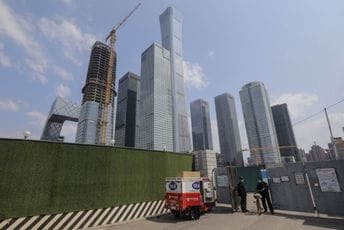
The Chinese company Evergrande was relatively unknown to most Europeans until it gained global attention with the announcement that its potential collapse could trigger a new global financial crisis.

This is a Chinese real estate giant founded in 1996, less known in Western markets, and it’s also the largest property developer in the country. Its founder, Xu Jiayin, was the richest man in China in 2017.

Uncertainty and Concern

The Chinese giant is facing bankruptcy, and yesterday it announced the payment of interest on a small portion of its debt, but without reassuring the financial markets, which are still waiting to see if the official Beijing government will intervene and to what extent.

The events in Evergrande have sparked concerns worldwide that a scenario similar to the one caused by the collapse of the investment bank Lehman Brothers in September 2008 could be repeated.

The feeling of concern has significantly impacted the capital markets, with all eyes on the Chinese government, which hasn’t clearly indicated whether it will intervene in favor of the troubled construction conglomerate facing a debt of 260 billion euros.

While outstanding obligations still threaten the group’s survival, Evergrande has managed to reach an agreement with bondholders for a small portion of its debt.

In a letter sent to the Shenzhen Stock Exchange, the group mentioned that one of its subsidiaries, Hengda Real Estate Group, had been negotiating a plan to pay interest on a bond due in 2025. According to Bloomberg’s data, Evergrande was supposed to pay 232 million yuan (30.5 million euros) of debt that matured last Thursday, related to a bond with a 5.8% interest rate, limited to the domestic market.

The announcement of interest payments wasn’t sufficient to calm the markets. The Shenzhen and Shanghai stock exchanges continued to decline, even after a four-day pause due to national holidays. The Hong Kong Stock Exchange remained closed.

Creditors’ Claims

The repayment deadline for loan installments is today, and the group hasn’t specified how it intends to settle them. The partial repayment announcement is meant to reduce instability and prevent a collapse.

For trust to truly return, market participants need to see a genuine restructuring of Evergrande. The response from the Chinese government is most anticipated by the owners of 1.4 million apartments under construction, who organized protests outside the company’s headquarters and in various locations across the country last week.

Creditors, employees, and suppliers are also demanding Evergrande fulfill its debts, which increased investments until last year when Beijing tightened borrowing rules. The group’s chairman, who currently denies the possibility of bankruptcy, assured employees that Evergrande would “soon emerge from the darkest days,” as reported by Chinese state media two days ago.

Multi-billionaire Xu Jiayin reassured that construction would continue as planned and the group would offer a “response to customers, investors, partners, and financial institutions.” However, he didn’t provide further details.

The notion of Evergrande’s collapse raises concerns due to its colossal debt exceeding 300 billion euros and its economic involvement spanning over three million direct and indirect jobs, projects in more than 200 cities, and partnerships with over 8,000 companies.

Evergrande’s downfall could have significant implications for China’s job market, as it employs 200,000 people and indirectly engages over 3.5 million associates. Furthermore, it’s facing illiquidity, leading many affiliated companies to halt their activities, consequently stopping construction projects nationwide.

Differences Compared to the Year 2008

Although uncertainty has gripped the markets lately, with questions arising about whether China is heading toward a collapse of the giant Evergrande, the situation is not comparable to the one the world witnessed in 2008. The current scenario is not likely to trigger a global crisis, though efforts to overcome the problem will involve numerous entities.

Despite liquidity issues, the effects of a potential bankruptcy wouldn’t be as severe as the collapse of hedge funds with massive positions or a bank with assets approaching zero value.

Land, Not Financial Assets

Comparisons to Lehman Brothers are inappropriate, as Evergrande owns tangible real estate assets, including land, whose value can fluctuate but won’t disappear entirely. Lehman Brothers, in contrast, had financial assets whose value was completely wiped out. A single stimulus could enable Evergrande to complete some properties, sell them, and gradually repay its debt.

The present value of the land and housing projects is estimated at slightly over 1.4 trillion yuan (185 billion dollars). This is a crucial difference from Lehman Brothers, where the complete erasure of value from financial derivatives—credit default swaps and collateralized debt obligations—affected other banks.

Land prices are more transparent and stable than financial instruments, particularly in China, where local governments have a monopoly on the majority of land and can even repurchase it if needed. The value of land isn’t expected to depreciate due to such events.

Moreover, unlike Lehman Brothers, which operated in a somewhat independent system, Evergrande is subject to high levels of government control and involvement in the Chinese real estate sector. Additionally, intermediaries don’t play a pivotal role as they did in the case of the U.S. bank. All strings are in the hands of the Chinese government.

Awaiting Concrete Government Action

Chinese banks and numerous other entities are under the supervision of national institutions with decision-making authority. Even non-state financial services can be controlled to an extent that’s unimaginable outside China.

In other words, if a commercial entity in China truly fails, it means the government has assessed that there’s no broader interest justifying its rescue. Chinese authorities have two key objectives: preventing excessive risk-taking and maintaining stability in the real estate market.

Thirteen years ago, Lehman Brothers went bankrupt, and the U.S. government began rescuing other financial entities. This was also seen in Europe, where banks were saved instead of economies. The collapse of one bank, caused by overvalued assets that were suddenly devalued, was addressed by saving other banks.

A threat from Beijing – a salvation from Brussels

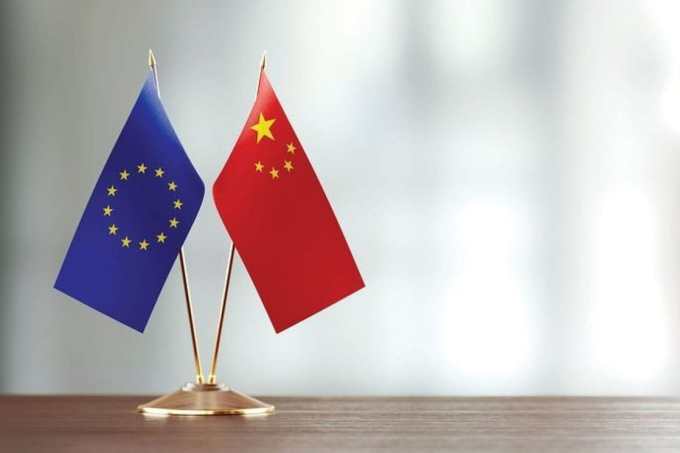
The negative perception of China in Western countries results in the interpretation that imperial ambitions are hidden behind the investment power of Chinese companies, which results in constant attempts to keep the power of official Beijing under control, mostly without visible separation of political and economic goals.

Concern about the lack of reciprocity is constantly expressed on both sides of the Atlantic – the administrations of American democratic and republican presidents have led this relationship to the highest level of apprehension for decades, while the countries of the Old Continent support economic relations through distinct investment projects and interstate cooperation, remaining concentrated to the mere need to stay unwavering in giving priority to democratic values, in the spirit of which the key points of bypassing China should not be overlooked.

In a situation where some form of failed economic cooperation recognizes the risk of geopolitical confrontation, it is necessary to emphasize that it restricts to a lesser extent from the place taken by China in relation to the position of the West, where the leading investor from the East comes to a hostile environment.

At the same time, there each European capital chooses more intensive economic cooperation with Beijing, despite increasingly visible efforts to name China’s relationship within the EU as a common threat, and therefore to form a common Western block as a result of creating a common action. The formation of such a bloc, however, is far from the European agenda, mostly due to dissonant tones among EU members who are not ready to easily give up the benefits of cooperation with the Middle Kingdom.

Although the withdrawal of production from Chinese industrial plants has not happened despite many announcements, European and American governments have ceased to see China as a place where cheap labor tirelessly produces sneakers and phones, as trying to create a joint strategy to strike back at the unstoppable dynamics of the development of artificial intelligence, telecommunications equipment and 5G infrastructure become more visible.

Such a groundbreaking China does not fit in with the typical American and European thought patterns of rivalry that once existed with The Soviet Union, where it was not difficult to recognize the purposes for distancing or suspending cooperation.

In China, there is only one segment in front of which the capital-driven West closes its eyes from time to time – the form of government and the notion of human rights, due to which they are not able to consider that country as an ally in any field except the commercial.

The American answer to the Chinese question is reflected in the belief that the values ​​of one civilization are those that another should accept since they have proven to be good. Several US presidents and presidential candidates, in their comments on US-China relations, persistently assured the global audience that economic liberalization would be followed by political ones, i.e. that Chinese economic growth would undoubtedly be accompanied by the strengthening of human rights and freedoms.

From the emergence of civilization until today, no empire in history has managed to achieve so much economic, military, and political authority over the rest of the world the way that the United States did in just 232 years, that is, from the day George Washington became the first American president.

The history of China lasts for millennia, and its wider population did not feel much benefit until the end of the 20th century, and just at the time when the American nation was experiencing a flourishing of democracy, the Chinese people were struggling with the consequences of the Opium War. Yet, in just a few decades at the turn of the 21st century, hundreds of millions of people have been lifted out of the deepest poverty and transformed into the most numerous and stable middle class on the planet.

The Chinese dictatorship and the attitude towards the role of the individual in society for the Western world, especially for the EU, which arose with the idea of ​​fighting totalitarianism, are incomprehensible and unacceptable to the same extent that it is inconceivable in China that Western democracies shape social media.

Western countries, and especially EU members, are becoming increasingly aware that China is not creating its plan to be in the European market in the form of a relationship with a single entity, but to avoid a blockade by building bilateral relations with governments that have never recovered enough from the crises from the end of the first decade of this century, in which the measure of support to the economy included the selfless rescue of the banking sector, which irrationally strengthened its own position and therefore caused the crisis.

At least this post-crisis moment sheds light on the EU’s real priorities – in the absence of a single bloc and a common response to external factors, while the heterogeneity most clearly reflected in the Greek euro-crisis, there is the belief that Brussels is the place to go and cry over any country’s China-related problems are more than naive.

Moreover, Montenegro has just appeared on that scene with a binary interpretation of the world, the division into East and West in one single section where it has disappeared over the previous decades – the investments.

Of course, Brussels and Washington, as well as all other centers of the Western world, will welcome Montenegro’s discontent if it recognizes possible indicators of China’s aspirations to shape the world according to its sociopolitical model, where it would have the right to veto power while making economic or security-related decisions.

However, being united on the political, but not on the economic level, in general, sends a sincere message that could be read between the lines in the European response to the Montenegrin request for help with the highway loan – “we have our own problems, too”.

The Montenegrin version of this text is available here.

The Twenties

The years we imagine the way we saw them through modern literature, jazz, surrealist painting, Charleston dance, and some of the oldest sound films have at least once led many of us to think of it as the most creative and productive part of human history, accepting that it was the perfect time to enjoy civil liberties, small and great victories in the struggle for women’s rights and the products of the second industrial revolution, in the course of which the master of the era was transformed into useful inventions with which life became better and more beautiful.

The time immediately after the First World War, called the Great War at that time, as it was believed that it has ended all battles forever, and which took 10 million lives and left about eight million disabled, seemed to say that conflicts were persistently a thing of the past and that no one will have a reason to return to them anymore, because there was only one signpost at the crossroads of humanity – to move forward, but without warning that this path leads to deep crises, detachment, hatred and fascism.

Nearly after WWI, the Spanish flu appeared – a strong epidemic of lung disease that spread for years and during that time killed more than 50 million people. Life in the United States at that time was marked by a ban on the production, sale, and transportation of alcoholic beverages – prohibition.

However, the 1920s witnessed robust economic growth, which led to a modern form of consumption based on innovation – products and services that did not exist before, which were bought because of their competitive advantage and the way they were promoted. Radios and other gadgets slowly entered the homes of the Western world, and cars were increasingly seen in the streets.

Apart from all these items that had the actual cost of production, there was also something that added value to everything – – advertising and marketing, an industry within an industry that then received clear principles and brought much money to those who knew it well and, combined with a sudden growth in demand for industrial products, as well as the dynamic development of new types of banking services, the popularity of service and hospitality businesses, contributed to the creation of a modern American economy, transforming the USA into a leading economic power, increasingly different from European societies. While in Russia, almost seven decades after the publication of the Communist Manifesto, a party with an undisguised Marxist orientation – the Bolshevik Party – came to power, communist movements in Berlin and across Bavaria have been more and more repressed.

The overseas connection has been particularly hampered by the fact that the US has not ratified the Treaty of Versailles, after which it would enter the League of Nations, which slackened this international project. Due to the impossibility to cover the postwar cost of reconstruction, the former Weimar Republic faced huge inflation of 21% on a daily basis, caused by money printing. In just half a year, the US dollar has increased its value by as much as 117 times against the Deutsche Mark.

Hyperinflation, which was the key cause of dissatisfaction of millions of citizens, opened space for support for fascism. Across the Atlantic, the value of capital was rising at an unprecedented speed, and the purchase of securities was authorized with an extremely low percentage of hedging. Borrowing to trade on the stock market was extremely popular, which led to the creation of speculative bubbles when bursting followed in 1929 through a domino effect on the global economy after the outbreak of the Great Depression, which resulted in economic collapse, mass unemployment, drastic decline in consumption and strong deflation.

Whether this reminder of the time between the Great Gatsby and the Great Depression sounded like a description of an era whose contemporaries were blessed or you believe it was better to be lucky enough not to live in that time, no matter what impression you had of the twenties – still you live right in twenties. Only a decade or two ago, although those who could remember that time well are no longer with us, when we would say “twenties”, it would mark the third decade of the twentieth century, the period between the two world wars.

Today, the name “twenties” is just entering speech as a determinant of the time in which we live, which will later become more common. After the 1990s, which the rest of the world remembers for the first home internet connections, unlike Balkan countries that will remember them for wartime events like the twilight of civilization, language constructions did not allow us to group the time we live in and the years within the last decades with common names without sounding like language stunts. The twenties are the first in this century whose name is simple, but in which everything is complicated.

As it was the case a century ago, today we are witnessing the spread of the infection that causes lung disease, market trends resulting from fictitious actions and reliance of the economy on the tertiary sector, money printing, enormous over-indebtedness and households, and countries, fight for women’s rights from scratch, rising unemployment, pronounced intolerance, vampire fascism, and undisguised anti-anti-fascism. Between those two twenties, the world has gone through several major market shifts, of which today’s generations can recall the oil shock of the 1970s and, even more closely, the 2008 financial crash.

All inter-war and post-war crises have shown that, sooner or later, an institutional response is always found to stop them, although at an advanced stage, and then create the conditions for recovery, increased productivity, and reduced inequality. It has, to a greater or lesser extent, succeeded every time. The problem is that such methods were an introduction to new crashes and that, by constantly romanticizing the pre-crisis years, we have set an unsustainable ratio of key parameters as an objective which should be (re)achieved.

It Felt as if the Earth Had Stopped Spinning

Nothing this Monday hinted that we would witness what it looks like when everything that serves as an indispensable support in our daily lives, which we take for granted, disappears. The beginning of the week, precisely at a time when most people along this geographical longitude are most active and productive, was marked by the interruption of all services provided by Google.

The pandemic dragged even those who weren’t particularly fond of it into the world of online communication, and Monday noon sounded like the ideal time for a virtual meeting in a season designated for making plans and discussing the first steps after flipping the calendar leaf. You joined the meeting via the Meet application, it was your turn to present, a presentation you had prepared for the entire weekend, and then, in an instant, like in the time of old telephone switchboards, the connection suddenly dropped.

While fearing that your disappearance from the network might be interpreted as an inability to overcome stage fright or a lack of information, you desperately tried to email the other participants of the virtual meeting to inform them about your connection problem, but then Gmail betrayed you. Desperate, you went to YouTube to distract your thoughts with some music, but even that didn’t work…

This, or something similar, was how the day looked for most of the working population of Europe and some late-night stories from America – a day that showed that we can do without conferences, nights out, travels, celebrations, and friendly hugs for almost a whole year, but we can’t do without what Google provides for even an hour.

Social media seemed like the only window to the world for most internet users – and this tech giant shut down its Google+ network as soon as it realized that competing with Facebook was futile. This is the only segment where Google admitted defeat and decided to give up on something that never really took off, turning its focus to what was destined for global popularity. Concerned users and meme posts flooded social media platforms, while big companies raced to make the most of this break for marketing messages.

After some amusing moments to pass the time, the question of global dependence on just one major tech service provider and its ecosystem arose. This incident partially exposed the problem of centralization within the same entity, even when it operates in a decentralized manner with the help of about twenty available services, further raising concerns about business continuity and information accessibility.

It’s probably becoming clearer to many now why the institutions of the European Union have been so persistent over the past decade in their efforts to establish rules that not even global players will be exempt from. Regardless of whether someone thinks the EU is exaggerating in its efforts to achieve certain goals, in this case, it’s extremely important for consumers to understand the significance of technological centralism and how such circumstances affect consumer freedom. In a world of almost complete global connectivity, Google has an absolute monopoly in certain segments.

The company restored the operation of all services that experienced disruptions after about an hour, but what was partly lost is the trust in its ability to safeguard everything users want to be preserved, along with an open question about the extent to which they share or take on the risk of changes that may occur in the future, potentially resulting in the loss of digital assets.

These circumstances prompted reflections on the role of digital technology in our lives, as for a moment, it seemed as if the world had stopped turning, when in fact, only the services of one company were not functioning for almost an hour. Considering the number of users affected by this, everything indeed seemed as if the world had come to a halt, as most people don’t have any backup options ready in such situations.

Google isn’t the only one forcing us to worry about the extent to which we actually control our own digital space in this case. Just think about all the digital repositories on services through which we access certain movie or music content. It probably happened to you at least once to read a message on the screen stating that certain content is (no longer) available in the country from which you are accessing it.

Therefore, we can’t watch a movie, series, or listen to music we want via the internet whenever we want, even if we pay for some services, nor can we make virtual visits to museums and galleries everywhere, even though we’ve been reassured countless times that “everything is on the internet”, which means that our access to culture and art is reduced to what companies managing the digital space, financed by millions of our small subscriptions, decide we should watch and listen to. Those people who talk about buying vinyl records might seem less strange to you now, not to mention those who are happy because they managed to buy the first DVD editions of movies whose scenes were later edited and changed, as was done, for example, in the Star Wars series.

Google’s outage isn’t the first nor the last we’ve identified in the online space as a temporary service disruption, although it’s undoubtedly the biggest so far, as it lasted relatively long compared to anything else in the internet world where seconds sometimes determine entire processes, and it affected the largest number of users. Similar outages, although shorter in duration, have occurred with Facebook, Amazon, Twitter, which means we can expect them in the future as well.

It’s difficult to predict what kind of crash is possible in the online world in the future because even if the same technical problem recurs, other circumstances make it have different effects. If Twitter, which has recently become the center of all political life, experiences something similar to what happened to Google the day before yesterday, we probably won’t feel as if life has stopped that day, but at least for a short while, we’ll experience the beauty of engaging in other life topics.

Kao da je Zemlja prestala da se okreće…

Ništa ovog ponedjeljka nije naslućivalo da ćemo vidjeti kako izgleda kada nestane sve ono što nam je nezamjenjiva podrška u svakodnevnom životu koju ne dovodimo u pitanje. Početak sedmice, baš u vrijeme kad je većina ljudi na ovoj geografskoj dužini najaktivnija i najproduktivnija, obilježio je prekid rada svih servisa koje pruža Google.

Pandemija je i one koji to nijesu naročito voljeli uvukla u svijet online komunikacija, a ponedjeljak u podne zvučao je kao idealno vrijeme za virtuelni sastanak u doba godine predviđeno za kovanje planova i dogovaranje prvih koraka nakon što se list na kalendaru okrene. Pridružili ste se sastanku putem Meet aplikacije, došao je red na izlaganje za koje ste se cijelog vikenda pripremali, a onda je u trenutku, kao u vrijeme starih telefonskih centrala, veza odjednom prekinuta. 

Dok ste se pribojavali da će vaš nestanak sa mreže neko možda protumačiti kao nemogućnost savladavanja treme ili nedostatak informacija bespomoćno ste pokušavali da mejlom obavijestite ostale učesnike virtuelnog sastanka da imate problem s konekcijom, no baš tad vas je i Gmail izdao. Očajni odlazite na YouTube da misli usmjerite ka nekoj muzici, međutim ni to vam se ne da…

Ovako ili približno ovome je većini radnog naroda Evrope i tek nekim noćnim pricama Amerike izgledao dan u kojem je mnogo toga planirano – dan koji je pokazao da skoro čitavu godinu možemo bez konferencija, noćnih izlazaka, putovanja, proslava i prijateljskih zagrljaja, ali da bez onoga što nam pruža Google ne možemo ni sat.

Društvene mreže izgledale su kao da su za većinu korisnika interneta bile jedini prozor u svijet – a ovaj tehnološki gigant je svoju mrežu Google+ ugasio čim se uvjerio da je besmisleno takmičiti se sa Facebookom. To je jedini segment u kojem je Google priznao poraz i odlučio da digne ruke od nečega što nikada nije zaživjelo, okrećući se onome čemu je zacrtana globalna popularnost. Na društvenim mrežama nizala su se pitanja zabrinutih korisnika i meme objave, dok su se velike kompanije utrkivale koja će ovu pauzu iskoristiti što bolje za merketinšku poruku.

Nakon simpatičnih momenata kojima se kratilo vrijeme čekanja otvoreno je pitanje globalne zavisnosti od samo jednog velikog ponuđača tehnoloških usluga i njegovog ekosistema u kojem je tek sad ogoljen problem centralizovanosti unutar istog entiteta, čak i kada uz pomoć dvadesetak dostupnih servisa djeluje decentralizovano, budući da to dalje upućuje na zabrinutost za kontinuitet poslovanja i dostupnost informacija.

Vjerovatno mnogima tek sada postaje jasnije zbog čega su institucije Evropske unije već čitavu deceniju toliko uporne u nastojanju da utvrde pravila od kojih čak ni globalni igrači neće biti izuzeti. No, bez obzira na to da li se nekome čini da EU pretjeruje u namjeri da ostvari neke ciljeve, u ovom slučaju od izuzetno velike važnosti je da potrošači razumiju značenje tehnološkog centralizma i načina na koji takve okolnosti utiču na potrošačku slobodu. U svijetu gotovo potpune globalne povezanosti Google u pojedinim segmentima ima apsolutni monopol.

Ova kompanija je otprilike nakon sat vratila u funkciju sve servise u čijem je radu bilo prekida, ali je ono što se dijelom izgubilo povjerenje u njegovu moć da čuva sve ono što korisnici žele da bude sačuvano, uz otvoreno pitanje u kojoj mjeri upravo oni dijele ili preuzimaju rizik promjena koje mogu da uslijede ubuduće, zbog kojih bi mogli ostati bez digitalne imovine.

Ove okolnosti bile su povod za razmišljanje o ulozi digitalne tehnologije u našem životu, jer je na trenutak sve izgledalo kao da je Zemlja prestala da se okreće, a zapravo samo servisi jedne kompanije nijesu funkcionisali skoro sat. Ako uzmemo u obzir broj korisnika na koje se ovo odnosilo, zapravo sve i jeste djelovalo kao da je svijet stao, jer većina ljudi u ovakvim situacijama nema spremnu nikakvu rezervnu opciju. 

Nije samo Google taj koji nas u ovom slučaju tjera da se zabrinemo za to u kojoj mjeri zapravo gospodarimo sopstvenim digitalnim prostorom. Pomislimo samo na sve digitalne baze na servisima uz pomoć kojih pristupamo određenom filmskom ili muzičkom sadržaju. Vjerovatno vam se makar jednom desilo da na ekranu pročitate poruku da određeni sadržaj (više) nije dostupanu u zemlji iz koje mu pristupate. 

Dakle, ne možemo kada god poželimo, čak i kada neke servise platimo, putem interneta gledati film, seriju ili slušati muziku koju želimo, niti praviti virtuelne ulaske u muzeje i galerije baš svuda iako smo bezbroj puta uvjeravani da je „sve na internetu“, što znači da se naš pristup kulturi i umjetnosti svodi na ono što kompanije koje upravljaju digitalnim prostorom finansiranim milionima naših sitnih pretplata odluče da gledamo i slušamo. Vjerovatno vam sada manje čudno djeluju oni ljudi koji pričaju o kupovini gramofonskih ploča, a da ne govorimo tek o onima koji ističu da su srećni jer su uspjeli da kupe prva DVD izdanja filmova čije su scene kasnije izbacivane i mijenjane na način na koji je to, na primjer, rađeno u Ratovima zvijezda.

Googleov pad nije ni prvo ni posljednje što smo u online prostoru identifikovali kao privremeni prekid rada, iako je nesumnjivo do sada najveći, jer je trajao relativno dugo u poređenju sa bilo čim u internet svijetu gdje sekunde nekada opredjeljuju čitave procese, a i odnosio se na najveći broj korisnika. Slične prekide su, iako s kraćim trajanjem, imali i Facebook, Amazon, Twitter, što znači da ih možemo očekivati i ubuduće. 

Teško je predvidjeti kakav je krah u online svijetu moguć u budućnosti, jer čak i da se ponovi isti tehnički problem ostale okolnosti čine da on ima različite efekte. Ako se Twitteru, na koji se nedavno preselio sav politički život, desi što i Googleu prekjuče vjerovatno kao toga dana nećemo imati osjećaj da je život stao, već ćemo makar na kratko osjetiti ljepotu bavljenja drugim životnim temama.

English version of this article is available HERE.